Is polyester safe for kids? Yes, polyester is generally considered safe for children when used in clothing that meets quality and safety standards. Can kids wear polyester every day? They can, but breathable natural fabrics like cotton are often more comfortable for daily wear. What fabric is best for sensitive skin? Soft cotton is usually preferred because it is gentle, breathable, and helps reduce heat and moisture build-up.
At Todlerry, we believe comfortable children's clothing starts with choosing the right fabric. This guide explains the facts about polyester, compares it with natural fabrics, and helps parents make informed decisions for everyday wear.
What Is Polyester?
Polyester is a synthetic fibre made from petroleum-based materials. It has become one of the most widely used fabrics in children's clothing because it is durable, lightweight, wrinkle-resistant, and easy to maintain. You'll often find polyester in sportswear, jackets, school uniforms, and blended fabrics designed to improve durability.
Its popularity comes from practical benefits rather than softness alone. Polyester dries quickly, keeps its shape after repeated washing, and holds colours well. However, because it is less breathable than many natural fibres, parents often ask, is polyester safe for kids when choosing everyday clothing.
Is Polyester Safe for Kids?
The simple answer is yes. Polyester itself is not considered toxic when manufactured according to recognised safety standards. Most children's clothing sold by reputable brands undergoes quality checks to ensure it is suitable for everyday use.
However, the question is polyester safe for kids goes beyond safety alone. Parents should also consider comfort, breathability, and how the fabric performs in different climates. While polyester works well in many situations, children with sensitive skin or those living in hot and humid environments may feel more comfortable wearing breathable natural fabrics for longer periods. For a detailed look at what fabrics are safe for baby skin, understanding how different materials interact with delicate skin helps parents make more confident everyday choices.
Why Some Parents Prefer Natural Fabrics
Although polyester has several advantages, many parents choose cotton and other natural fibres for everyday clothing because they offer greater comfort.
Better Breathability
Cotton allows air to circulate more freely, helping children stay cooler during active play. This can be especially beneficial during warm weather.
Better Moisture Absorption
Natural fibres absorb sweat instead of trapping it against the skin. This helps children remain comfortable throughout the day.
Gentle on Sensitive Skin
Soft cotton fabrics are often recommended for babies and children with delicate or easily irritated skin because they reduce friction and provide a smoother feel. Everyday options like leggings for baby girl made from soft cotton are a good example of how natural fabrics support all-day comfort for young children.
Comfortable for Everyday Wear
Children spend hours running, climbing, sleeping, and playing. Fabrics that feel soft and breathable often provide a better overall wearing experience.
Can Polyester Cause Skin Irritation?
For most children, polyester does not directly cause skin problems. However, some children may experience discomfort while wearing polyester clothing, particularly in warm conditions.
Possible reasons include:
- Heat retention
- Sweat remaining close to the skin
- Increased friction during movement
- Fabric finishes or dyes rather than the polyester fibre itself
Children with eczema or highly sensitive skin may notice irritation more quickly when wearing less breathable fabrics. In these situations, parents often find that natural fabrics provide greater day-to-day comfort.
Does Polyester Contain Harmful Chemicals?
Many parents wonder whether polyester clothing contains harmful chemicals. Modern children's clothing produced by reputable manufacturers is generally designed to comply with applicable safety standards regarding dyes and chemical finishes.
Like many textiles, polyester garments may receive treatments that improve wrinkle resistance, colour retention, or durability. Washing new clothes before your child wears them for the first time is a simple habit that helps remove any residual manufacturing finishes, regardless of whether the garment is made from polyester or cotton.
What About Microplastics?
Another reason parents ask is polyester safe for kids relates to growing discussions about microplastics.
When polyester clothing is washed, tiny synthetic fibres can be released into wastewater. Current research focuses primarily on the environmental impact of these fibres rather than direct health risks from wearing polyester clothing.
Parents who wish to reduce fibre shedding can:
- Wash clothes only when needed.
- Use lower washing temperatures.
- Wash full loads instead of small loads.
- Choose well-made garments that last longer.
- Mix natural fibre clothing into everyday wardrobes.
These simple habits help reduce environmental impact while extending the life of clothing. For parents curious about similar sustainability questions, reading about whether Is Organic Cotton Biodegradable? offers useful context on how natural fibres compare to synthetics over time.
Polyester vs Cotton for Kids
Both fabrics have advantages, and the right choice depends on how the clothing will be used.
- Comfort: Cotton feels softer against the skin and remains comfortable for extended wear.
- Breathability: Cotton allows better airflow, making it a popular choice for India's warm climate.
- Durability: Polyester resists stretching, shrinking, and wrinkles, making it suitable for active children.
- Moisture Management: Cotton absorbs moisture naturally, while polyester tends to move moisture across the fabric surface but may still trap heat.
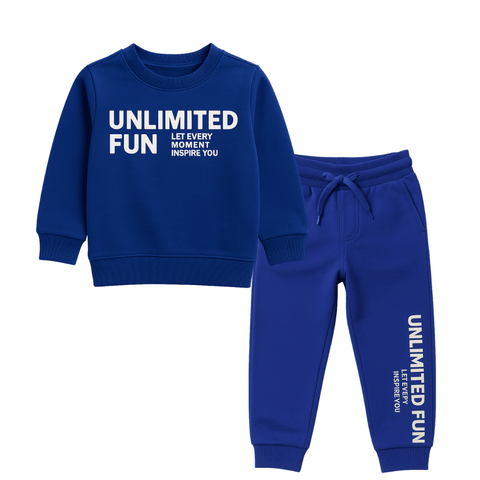
- Everyday Wear: For everyday outfits, many parents prefer cotton because it offers excellent comfort throughout the day. A well-chosen kids co ord set in breathable cotton is a practical example of how natural fabrics support comfort during long hours of wear.
- Sports and Outdoor Activities: Polyester blends can work well for sportswear, rainwear, or outer layers where quick drying and durability are priorities.
How to Choose Safe and Comfortable Clothes for Kids
When shopping for children's clothing, fabric is only one part of the decision. Consider these practical tips:
- Choose soft, breathable fabrics for daily wear.
- Read garment labels carefully.
- Buy from trusted children's clothing brands.
- Check stitching and seams for comfort.
- Wash new clothes before first use.
- Dress children according to the weather.
- Prioritise comfort over fashion trends.
High-quality construction and thoughtful design often matter just as much as fabric choice. For a broader look at how the two main fabric categories compare, Cotton vs Synthetic Fabrics for Kids breaks down the key differences to help parents decide what works best for their child's wardrobe.
What Fabrics Are Best for Babies and Young Children?
If you're building a wardrobe for your child, these fabrics are worth considering:
- Cotton: Soft, breathable, and comfortable for everyday wear.
- Organic Cotton: Produced with an emphasis on environmentally responsible farming methods and often chosen by parents seeking natural fibre options.
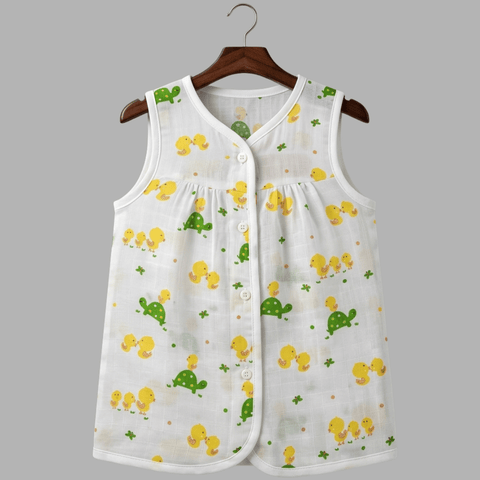
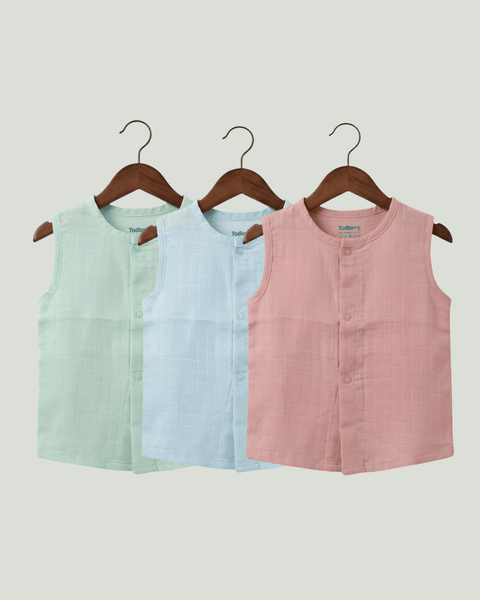
- Muslin Cotton: Lightweight, airy, and ideal for warm climates.
- Linen: Excellent breathability, especially during summer months.
- Cotton Blends: Offer a balance between comfort and durability.
Polyester blends also have their place, particularly in jackets, activewear, and clothing that benefits from extra strength or wrinkle resistance. Breathable cotton options like frocks for kids girls are a popular everyday choice that combines comfort with easy movement for young children.
Expert Tips for Parents
When deciding is polyester safe for kids, remember that no single fabric is perfect for every situation. Instead, think about your child's daily routine.
If your child spends long hours outdoors, breathable fabrics may improve comfort. If durability is your priority for school uniforms or sportswear, polyester blends may be a practical option.
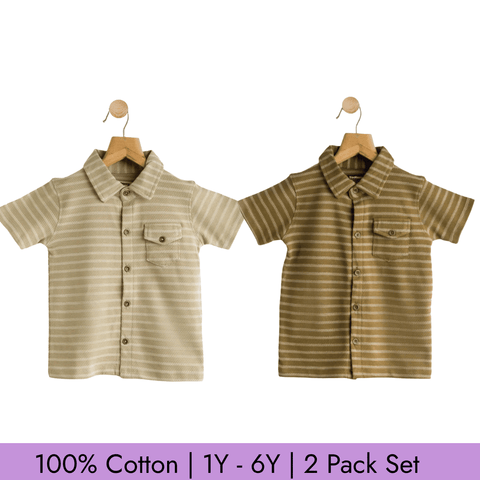
The best wardrobe usually includes a combination of fabrics chosen for specific activities rather than relying on one material for every occasion. For example, pairing a breathable cotton stylish shirt for boys with a durable polyester-blend outer layer gives active children comfort and practicality throughout the day.
Final Verdict: Is Polyester Safe for Kids?
So, is polyester safe for kids? Yes, polyester is generally considered safe for children and offers benefits such as durability, easy maintenance, and long-lasting performance. However, for everyday wear, especially for babies, toddlers, and children with sensitive skin, many parents prefer breathable natural fabrics like cotton because they provide greater comfort in different weather conditions.
Ultimately, the best clothing choice depends on your child's needs, the climate, and the quality of the garment itself. Choosing well-made clothing from trusted brands helps ensure both comfort and durability.
Choose Comfort with Todlerry
At Todlerry, every collection is thoughtfully designed with growing children in mind. We believe kids deserve clothing that feels as good as it looks, which is why our range focuses on premium-quality cotton fabrics that are soft, breathable, and comfortable for everyday adventures. From adorable rompers and muslin frocks to stylish co-ord sets and everyday essentials for children aged 0–8 years, each piece combines quality craftsmanship with practical design. If you're looking for children's clothing that supports comfort, movement, and lasting wear, explore Todlerry's collection and discover outfits created to keep little ones happy through every stage of childhood.
Frequently Asked Questions
Q1. How safe is polyester for babies?
Polyester is generally considered safe, but many parents prefer soft cotton for babies because it offers better breathability and comfort for delicate skin.
Q2. Can kids wear polyester every day?
Yes, they can. However, breathable cotton clothing is often a more comfortable choice for everyday wear, especially in warm weather.
Q3. Is polyester safe for kids with eczema?
Children with eczema may find natural fabrics like cotton more comfortable because they help reduce heat and moisture build-up against the skin.
Q4. Will polyester make children sweat more?
Polyester itself doesn't cause sweating, but because it is less breathable than cotton, it may trap heat and make children feel warmer.
Q5. What is the best fabric for children's everyday clothing?
Soft cotton is widely considered one of the best everyday fabrics because it is breathable, gentle on the skin, and comfortable for active children.
Q6. Why do some parents avoid polyester for kids?
Some parents choose natural fabrics because they prefer better breathability, moisture absorption, and comfort for daily wear rather than because polyester is unsafe.
Q7. How can parents choose safer children's clothing?
Look for well-made garments from trusted brands, check fabric labels, ensure comfortable stitching, and wash new clothes before your child wears them.
Q8. Can polyester be a good choice for certain kids' clothes?
Yes. Polyester works well for jackets, rainwear, sportswear, and clothing that benefits from durability, wrinkle resistance, and quick drying.