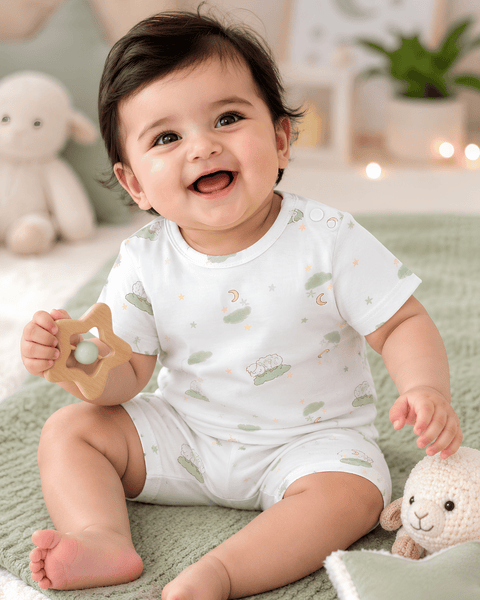
Babies have delicate, sensitive skin that can easily react to rough, synthetic, or chemically treated fabrics. The safest options are breathable, soft, and skin-friendly materials such as cotton, organic cotton, and muslin. When choosing baby clothing, parents should prioritize comfort, breathability, and fabric quality to help prevent irritation, overheating, and rashes.
If you're wondering what fabrics are safe for baby skin, the answer is simple: soft, breathable, and gentle fabrics like cotton are usually the best choice. Because a baby's skin is thinner and more sensitive than an adult's, the clothing they wear can directly affect their comfort. At Todlerry, we understand how important fabric choice is for newborns and growing babies, which is why our collections are thoughtfully designed with comfort in mind.
Why Is Baby Skin More Sensitive Than Adult Skin?
A newborn's skin is still developing during the first few months of life. Compared to adult skin, it has a weaker protective barrier, making it more vulnerable to irritation, dryness, and environmental factors.
This is one of the main reasons parents frequently search for what fabrics are safe for baby skin before buying clothes, swaddles, or sleepwear. Soft, breathable options like jhabla for newborn are among the earliest clothing choices parents make, and fabric quality plays a major role in how well a newborn adjusts to wearing clothes.
Several factors contribute to baby skin sensitivity:
- Thinner skin layers
- Increased moisture loss
- Greater susceptibility to friction
- Higher likelihood of heat rash
- Increased sensitivity to chemicals and dyes
Even fabrics that feel comfortable to adults may be too rough for a baby.
Common Skin Issues Linked to Clothing
When clothing isn't suitable, babies may experience:
- Heat rash
- Red patches
- Chafing
- Itching
- Eczema flare-ups
- Skin irritation around the neck, arms, and diaper area
Choosing the right fabric can significantly reduce these problems.
What Fabrics Are Safe for Baby Skin?
Parents often ask pediatricians and babywear experts what fabrics are safe for baby skin, especially during the newborn stage. While several materials can work well, some fabrics consistently outperform others in terms of comfort and skin safety.
Cotton: The Gold Standard for Baby Clothing
Cotton remains one of the most trusted fabrics for babies worldwide.
Why Cotton Is Ideal for Babies
- Naturally soft
- Highly breathable
- Gentle against delicate skin
- Excellent moisture absorption
- Easy to wash and maintain
Cotton allows air to circulate freely, helping babies stay comfortable throughout the day.
For parents looking for the best material for baby clothes, cotton is often the first recommendation because it works well across different climates and seasons.
Why Cotton Works Especially Well in India
India's weather can range from extremely hot summers to humid monsoons. Cotton helps regulate body temperature and reduces excessive sweating, making it a practical baby skin safe fabric India parents can rely on throughout the year. Dressing little ones in breathable options like kids summer clothes made from cotton can make a noticeable difference in comfort during warmer months.
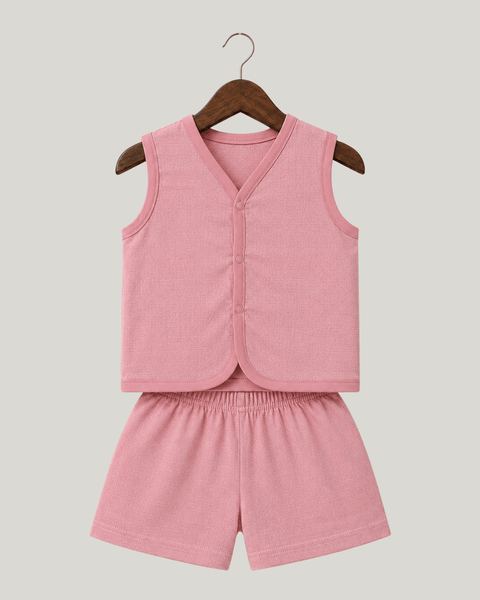
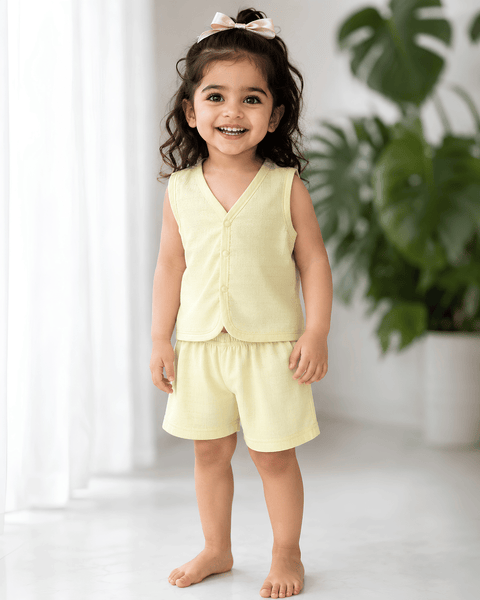
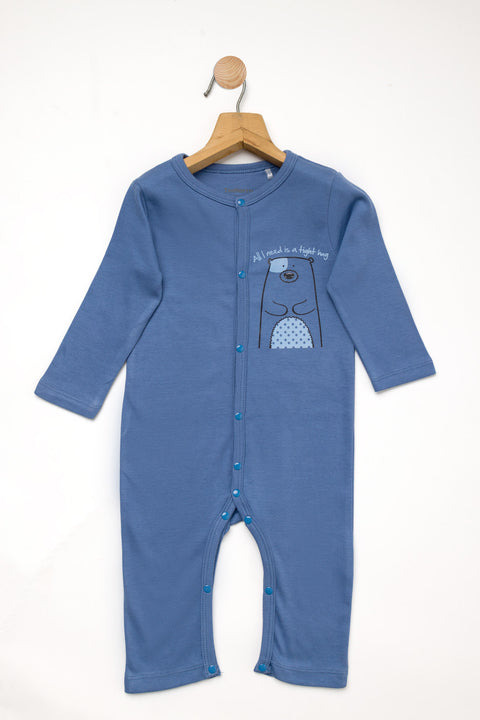
At Todlerry, many of our customer-favourite collections including Newborn Essentials, Cotton Jhablas, Rompers, and Jhabla & Shorts Sets are designed using soft cotton fabrics that support everyday comfort.
Organic Cotton: Extra Gentle for Sensitive Skin
Organic cotton offers many of the same benefits as regular cotton while minimizing exposure to agricultural chemicals during cultivation.
Benefits include:
- Soft texture
- Reduced chemical residue
- Excellent breathability
- Suitable for babies with sensitive skin
Parents looking for a premium safe fabric for newborn often consider organic cotton for sleepwear, bodysuits, and swaddles. If you're curious about how organic cotton compares environmentally, this read on whether organic cotton is biodegradable offers some useful clarity beyond what most labels tell you.
Muslin Cotton: Lightweight and Airy
Muslin is a loosely woven cotton fabric known for its exceptional breathability.
It is particularly beneficial for:
- Newborn clothing
- Swaddles
- Summer sleepwear
- Lightweight layering
One of the reasons muslin is frequently recommended when discussing what fabrics are safe for baby skin is its ability to promote airflow while remaining incredibly soft.
Bamboo Fabric
Bamboo-based fabrics have become increasingly popular among parents.
Advantages include:
- Soft touch
- Moisture-wicking properties
- Lightweight feel
However, parents should pay attention to manufacturing quality, as processing methods can vary between brands.
Merino Wool for Cooler Weather
While cotton is ideal for everyday use, merino wool can be useful during colder months.
Benefits include:
- Temperature regulation
- Natural softness
- Lightweight warmth
Unlike traditional wool, high-quality merino wool is less likely to cause itching.
Fabrics Parents Should Be Careful About
Knowing what fabrics are safe for baby skin also means understanding which materials may cause discomfort.
Polyester and Synthetic Blends
Many synthetic fabrics trap heat and moisture, increasing the likelihood of:
- Sweating
- Heat rash
- Skin irritation
While synthetic blends can improve durability, they may not be the most comfortable option for prolonged wear. A closer look at cotton vs synthetic fabrics for kids can help parents understand exactly why natural fibres consistently outperform synthetic options for everyday babywear.
Rough Wool Fabrics
Not all wool is created equal.
Traditional wool fabrics can sometimes:
- Feel scratchy
- Cause itching
- Trigger irritation on sensitive skin
Fabrics with Heavy Chemical Treatments
Parents should be cautious of garments that contain:
- Strong dyes
- Chemical finishes
- Artificial fragrances
These substances can occasionally contribute to skin reactions.
How to Choose the Best Material for Baby Clothes
When shopping for baby clothing, fabric composition should be one of your first considerations.
Read the Fabric Label
Look for:
- 100% cotton
- Organic cotton
- Certified baby-safe materials
The simpler the fabric composition, the easier it is to understand what touches your baby's skin.
Check the Stitching
Even the softest fabric can become uncomfortable if the seams are rough.
Look for:
- Smooth stitching
- Flat seams
- Comfortable neck openings
Prioritize Breathability
Breathable clothing helps regulate body temperature and keeps babies comfortable throughout the day. This is especially important when evaluating what fabrics are safe for baby skin in warm climates. Well-designed pieces like kids co-ord sets in breathable cotton are a great example of how thoughtful fabric selection and practical design can work together.
Best Fabrics for Different Seasons in India
Summer
Recommended fabrics:
- Cotton
- Muslin cotton
- Lightweight organic cotton
These fabrics allow air circulation and help reduce sweating.
Monsoon
Recommended fabrics:
- Breathable cotton
- Lightweight cotton blends
Quick drying and moisture management become more important during humid weather.
Winter
Recommended fabrics:
- Layered cotton
- Cotton fleece
- Merino wool layers
Layering helps babies stay warm without overheating.
How to Wash Baby Clothes Safely
Choosing what fabrics are safe for baby skin is only part of the equation. Proper care also matters.
Wash Before First Use
New clothes may contain dust, dyes, or manufacturing residues.
Always wash baby garments before use.
Use Mild Detergents
Choose:
- Fragrance-free detergents
- Baby-friendly formulas
- Gentle cleaning products
Avoid Fabric Softeners
Fabric softeners can leave residues that may irritate delicate skin. This is particularly relevant for early-stage garments such as baby boy rompers for 0–3 months, where skin contact is constant and fabric care matters most.
Why Cotton Continues to Be the Safest Choice
After comparing various materials, cotton continues to stand out as one of the most reliable answers to what fabrics are safe for baby skin.
Its benefits include:
- Breathability
- Softness
- Durability
- Ease of care
- Suitability for Indian weather
For most families, cotton provides the right balance of comfort, practicality, and skin friendliness.
Conclusion
Understanding what fabrics are safe for baby skin helps parents make informed decisions that support their baby's comfort and wellbeing. Soft, breathable fabrics such as cotton, organic cotton, and muslin remain among the safest options, while rough or heavily treated materials are best avoided. For growing toddlers and older kids, options like frocks for kids girls in soft cotton blends show how the same fabric principles carry forward beyond the newborn stage.
When selecting baby clothing, focus on comfort, breathability, and quality rather than trends alone. The right fabric can help reduce irritation, support temperature regulation, and keep your little one comfortable throughout the day.
Give Your Baby the Comfort They Deserve with Todlerry
At Todlerry, we believe baby clothing should feel as gentle as a parent's touch. That's why our thoughtfully designed collections focus on soft, breathable fabrics suitable for delicate skin and everyday comfort.
Explore our popular baby essentials:
- Cotton Jhablas
- Newborn Essentials
- Baby Rompers
- Jhabla & Shorts Sets
- Comfortable Everyday Wear
- Cotton Co-ord Sets
Whether you're shopping for a newborn or a growing toddler, Todlerry offers carefully designed clothing that combines comfort, practicality, and quality—helping parents choose with confidence.
Frequently Asked Questions
Q1. How do I know if a fabric is safe for my baby's skin?
Look for breathable, soft materials such as cotton or organic cotton. Avoid fabrics that feel rough or contain excessive chemical treatments.
Q2. How often should I wash newborn clothes?
Newborn clothes should be washed before first use and regularly thereafter using a mild detergent designed for sensitive skin.
Q3. Can polyester cause skin irritation in babies?
It can in some cases. Polyester tends to trap heat and moisture, which may contribute to discomfort or heat rash.
Q4. Can babies wear wool clothing?
Yes, provided it is soft, high-quality wool such as merino wool and worn appropriately for cooler temperatures.
Q5. Is cotton the safest fabric for newborns?
For most babies, cotton is considered one of the safest and most comfortable options due to its softness and breathability.
Q6. Is organic cotton better than regular cotton?
Both are excellent choices. Organic cotton may appeal to parents seeking fabrics produced with fewer agricultural chemicals.
Q7. Will washing baby clothes before first use help prevent irritation?
Yes. Washing removes potential residues and helps make garments softer before they come into contact with your baby's skin.
Q8. What fabrics are safe for baby skin during Indian summers?
Lightweight cotton, muslin cotton, and organic cotton are among the best choices because they promote airflow and reduce overheating.