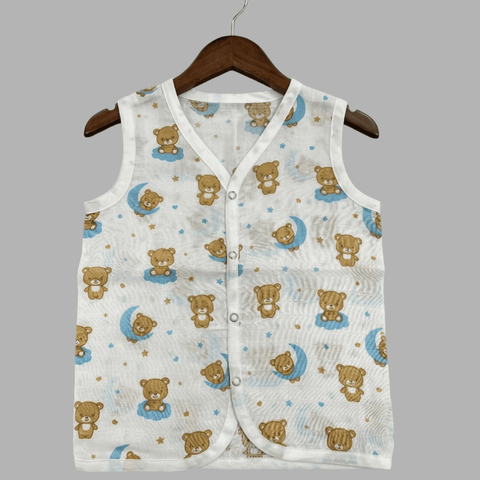
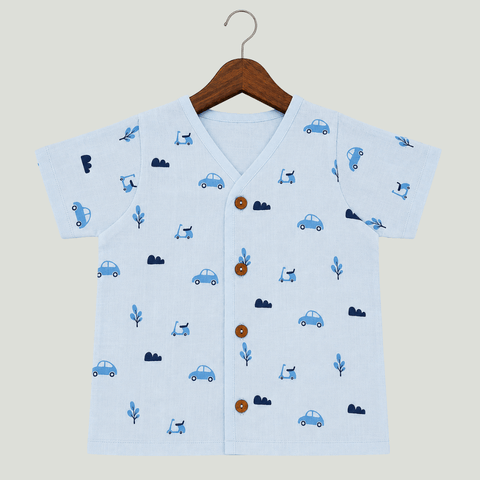
Yes, organic cotton is biodegradable because it is made from natural plant-based fibers that break down over time. However, biodegradability depends on factors like fabric blends, chemical treatments, dyes, and disposal conditions. Pure organic cotton decomposes much faster than synthetic fabrics and is considered a more sustainable choice for clothing, especially for babies and children.
Organic cotton is biodegradable, but many people still believe that all cotton fabrics behave the same way in landfills and compost systems. The truth is more nuanced. While organic cotton naturally decomposes, synthetic blends, heavy dyes, and chemical finishes can slow the process significantly.
As more parents and conscious shoppers look for sustainable clothing, understanding how fabrics impact both skin health and the environment has become increasingly important. Let’s break down the myths, facts, and real sustainability benefits of organic cotton.
What Does Biodegradable Mean in Fabrics?
Biodegradable materials are substances that can naturally break down into simpler elements through microorganisms like bacteria, fungi, and enzymes. Unlike plastic-based materials, biodegradable fabrics return to the earth without leaving behind harmful residues or microplastics.
In textiles, biodegradability depends on:
- Fiber composition
- Chemical processing
- Dye treatments
- Environmental conditions
- Exposure to oxygen and moisture
Natural fibers like cotton, wool, hemp, and linen generally decompose much faster than synthetic materials such as polyester or nylon.
Why Synthetic Fabrics Don’t Fully Decompose
Synthetic fabrics are petroleum-based. Instead of biodegrading naturally, they break into tiny microplastics that remain in soil and water systems for decades.
Common Problems with Synthetic Fabrics:
- Release microplastics during washing
- Remain in landfills for hundreds of years
- Trap heat and moisture against the skin
- Contribute to long-term textile pollution
This is one reason why many parents now prefer breathable, natural fabrics for newborn baby boy clothes and children's clothing.
Is Organic Cotton Biodegradable?
Yes, organic cotton is biodegradable because it is made from cellulose fibers that naturally decompose over time. Since organic cotton comes directly from plants, microorganisms in the soil can break the fibers down naturally.
Unlike synthetic fabrics, organic cotton does not release plastic particles into the environment during decomposition. This makes it a more environmentally responsible option for clothing and textile production.
However, biodegradability depends on several important factors including:
- Whether the fabric is pure organic cotton
- Whether synthetic fibers are blended into the fabric
- Chemical processing and dye treatments
- Disposal conditions such as moisture and oxygen exposure
Pure organic cotton generally decomposes much faster than blended or chemically treated fabrics.
How Organic Cotton Breaks Down Naturally
When organic cotton is exposed to moisture, oxygen, heat, and microorganisms, the natural fibers begin to decompose gradually. Bacteria and fungi feed on the cellulose structure inside the fabric until it eventually breaks down into organic matter.
The decomposition process becomes much faster in composting environments where airflow and moisture are balanced properly.
Organic cotton fabrics can decompose within a few months under ideal conditions, while synthetic fabrics may remain in landfills for many years. Parents building a newborn clothes checklist can prioritise organic cotton essentials to make more sustainable and skin-friendly choices from the start.
Debunking Common Myths About Organic Cotton
Many misconceptions prevent consumers from understanding the real benefits of sustainable fabrics. Let’s separate fact from fiction.
Myth 1: Organic Cotton Does Not Decompose
This is one of the biggest misconceptions about sustainable fabrics.
The truth is that pure organic cotton naturally biodegrades because it comes from plant based fibers. The confusion usually comes from cotton garments that contain polyester or synthetic stitching.
For example:
- Pure organic cotton decomposes naturally
- Cotton polyester blends decompose much more slowly
- Synthetic coatings can prevent proper biodegradation
Consumers often assume all cotton behaves the same way, but the fabric composition matters greatly.
Myth 2: All Cotton Is Sustainable
Not all cotton is produced using environmentally responsible practices.
Conventional cotton farming often relies heavily on:
- Chemical pesticides
- Synthetic fertilizers
- Intensive water usage
- Harsh processing chemicals
Organic cotton farming focuses on more responsible agricultural practices that reduce chemical exposure and support healthier ecosystems.
Benefits of organic cotton farming include:
- Reduced chemical usage
- Better soil health
- Safer farming conditions
- Lower environmental impact
- Gentler fabrics for sensitive skin
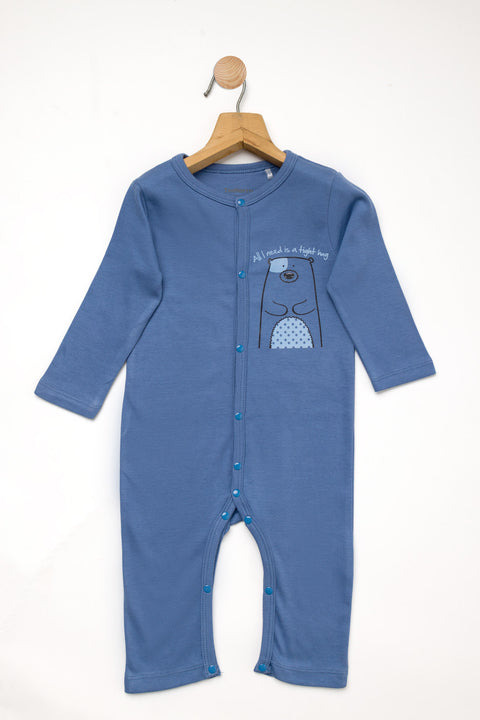
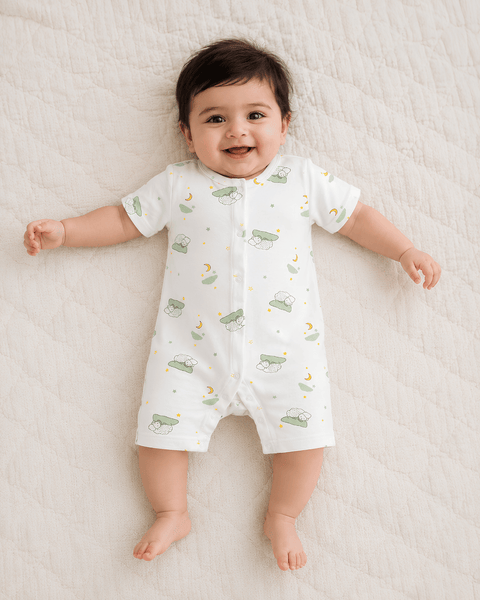
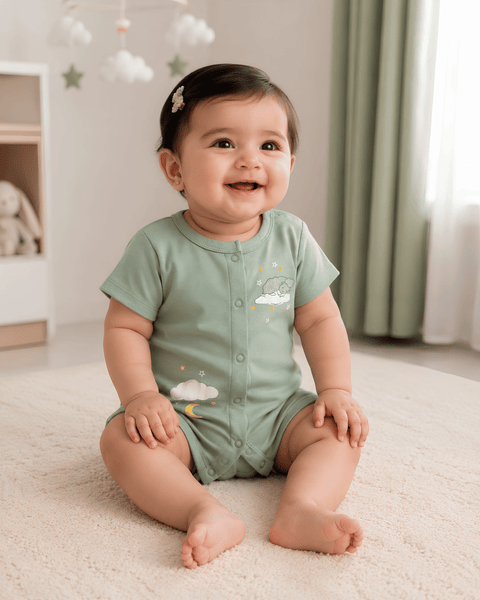
This is one reason why many parents prefer organic cotton clothing for babies, including rompers for newborn and other everyday essentials designed for delicate skin.
Myth 3: Organic Cotton Is Too Expensive
Organic cotton products can sometimes cost more initially, but they often provide better long term value because of their durability and comfort.
Higher quality fabrics tend to:
- Last longer after repeated washing
- Feel softer over time
- Retain comfort and shape better
- Reduce the need for frequent replacements
Parents often prioritize comfort, breathability, and durability when purchasing children’s clothing, making quality cotton fabrics a worthwhile investment.
Myth 4: Sustainable Clothes Are Less Comfortable
Many people assume sustainable clothing feels rough or uncomfortable, but organic cotton is actually known for its softness and breathability.
Organic cotton clothing is often preferred because it:
- Feels soft against delicate skin
- Allows better airflow
- Reduces overheating
- Supports all day comfort
- Works well for active children
Comfort is especially important for babies and toddlers whose skin is more sensitive than adult skin.
Organic Cotton vs Synthetic Fabrics
When comparing sustainability and comfort, natural fabrics generally outperform synthetic materials in several areas.
|
Feature |
Organic Cotton |
Synthetic Fabrics |
|
Biodegradable |
Yes |
No |
|
Breathability |
Excellent |
Moderate |
|
Skin-Friendly |
Very High |
Lower |
|
Microplastic Pollution |
None |
High |
|
Comfort for Kids |
Soft & breathable |
Can trap heat |
|
Environmental Impact |
Lower |
Higher |
Impact on Children’s Sensitive Skin
Children’s skin is thinner and more delicate than adult skin. Fabrics that trap sweat and heat may increase discomfort or irritation.
Organic cotton is often preferred because it is:
- Lightweight
- Breathable
- Soft against delicate skin
- Comfortable in warmer climates
Why Parents Prefer Organic Cotton Clothing for Kids
Modern parents are becoming more conscious of what touches their child’s skin daily. Comfort, safety, and sustainability now influence purchasing decisions more than ever.
Benefits of Organic Cotton for Kids
1. Gentle on Sensitive Skin: Organic cotton fabrics are soft and breathable, making them suitable for everyday wear.
2. Comfortable for Active Children: Natural fibers allow easier movement and airflow throughout the day.
3. Better for Long-Term Sustainability: Choosing biodegradable fabrics helps reduce textile waste and lowers environmental impact over time.
4. Durable for Daily Use: High-quality cotton clothing typically withstands repeated washing while maintaining comfort. Parents can explore baby boy rompers 0-3 months made from soft cotton as a practical example of durable and comfortable baby essentials.
How to Choose Truly Sustainable Organic Cotton Clothing
Not every product marketed as eco-friendly is genuinely sustainable. Understanding what to look for can help consumers make better purchasing decisions.
Check the Fabric Label
Look for:
- 100% organic cotton
- Minimal synthetic content
- Breathable natural fibers
Avoid products with excessive synthetic blending.
Choose Comfortable Everyday Fabrics
Children’s clothing should feel comfortable throughout the day. Breathability and softness are important factors when selecting cotton garments.
Focus on Quality Instead of Fast Fashion
Well-made cotton clothing generally lasts longer and remains comfortable after repeated washing.
Durable clothing can also help reduce unnecessary textile waste.
Why Todlerry Focuses on Comfortable Cotton Kidswear
Parents today want children’s clothing that feels soft, lasts through active days, and supports safer fabric choices. Todlerry focuses on creating comfortable cotton kidswear designed for everyday movement, play, and comfort.
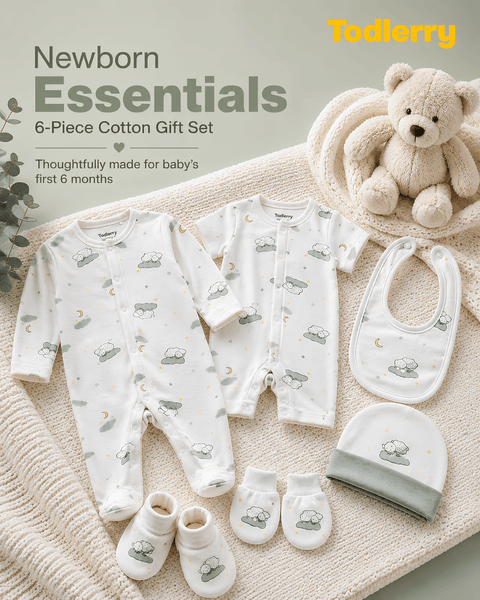
From cozy newborn romper styles and pajama sets to breathable joggers and cotton essentials, the brand emphasizes:
- Soft cotton comfort
- Breathable everyday wear
- Child-friendly designs
- Durable fabrics for active kids
The focus remains on creating clothing that feels gentle on delicate skin while supporting mindful parenting choices.
Final Thoughts
So, is organic cotton biodegradable? Absolutely.
Because it is made from natural plant fibers, organic cotton can decompose naturally under the right conditions. However, biodegradability depends heavily on fabric purity, processing methods, and disposal practices.
For parents and conscious consumers, choosing high-quality cotton clothing is about more than sustainability. It’s also about comfort, breathability, durability, and safer everyday wear for children.
As awareness around textile waste continues to grow, natural fabrics like organic cotton are becoming an increasingly practical and responsible choice.
Choose Softer, Safer, and More Comfortable Kidswear with Todlerry
Children deserve clothing that feels gentle on their skin and supports comfort throughout the day. Todlerry creates thoughtfully designed cotton kidswear that combines softness, breathability, and everyday durability for growing children.
Whether you’re looking for cozy rompers, lightweight pajama sets, stylish cotton joggers, or comfortable daily essentials, Todlerry offers practical kidswear made for movement, play, and comfort.
Explore Todlerry’s cotton collections and discover clothing designed with both children and comfort in mind.
Frequently Asked Questions
Q1. How does organic cotton biodegrade naturally?
Organic cotton biodegrades through microorganisms such as bacteria and fungi that break down natural plant fibers over time. Moisture, oxygen, and heat help speed up the decomposition process.
Q2. Can organic cotton decompose in landfills?
Yes, organic cotton can decompose in landfills, but the process may become slower due to limited oxygen and moisture conditions inside landfill environments.
Q3. Is organic cotton better than polyester for children?
Organic cotton is generally considered better for children because it is breathable, soft, lightweight, and free from plastic-based fibers that can trap heat and moisture.
Q4. What makes organic cotton biodegradable?
Organic cotton is biodegradable because it is made from natural cellulose fibers derived from cotton plants rather than petroleum-based synthetic materials.
Q5. Why do some cotton clothes take years to decompose?
Some cotton garments contain polyester blends, plastic prints, or chemical coatings that slow down the natural biodegradation process significantly.
Q6. Can dyed organic cotton still biodegrade?
Yes, dyed organic cotton can still biodegrade, although heavy chemical dyes and treatments may slow down the decomposition speed compared to untreated fabrics.
Q7. Will organic cotton release microplastics during washing?
Pure organic cotton does not release microplastics because it is a natural fiber. Synthetic fabrics such as polyester are the primary source of microplastic pollution during washing.
Q8. Is organic cotton suitable for sensitive skin?
Yes, organic cotton is widely preferred for sensitive skin because it feels soft, breathable, lightweight, and comfortable for everyday wear, especially for babies and young children.