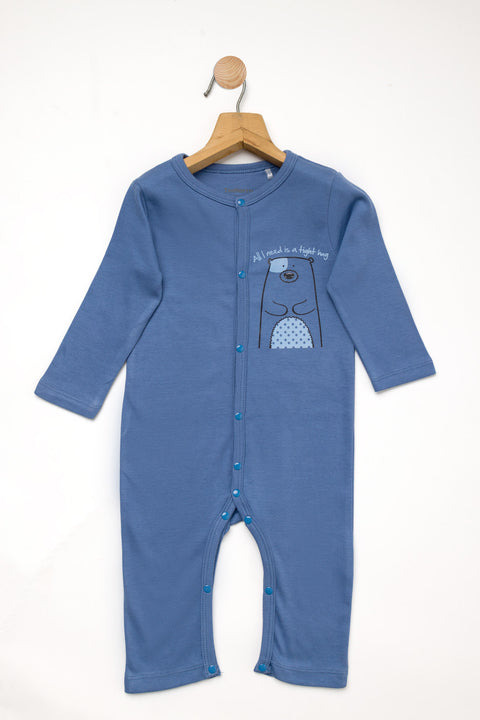
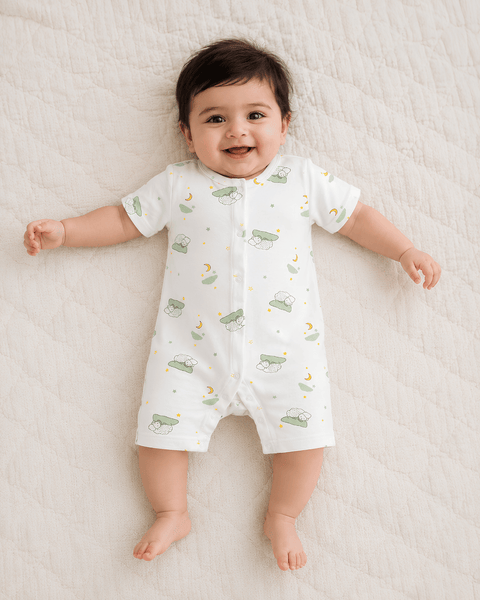
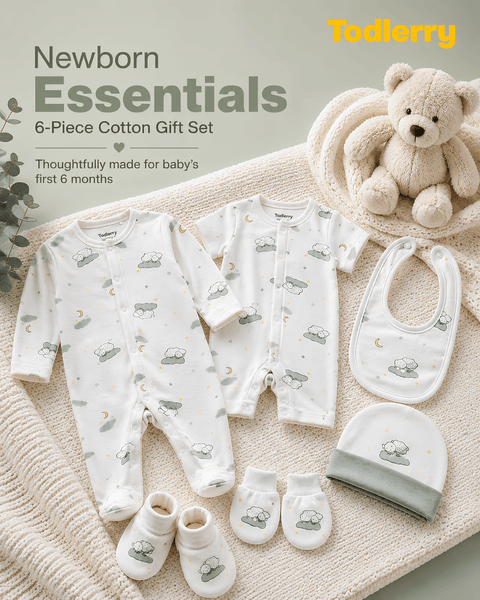
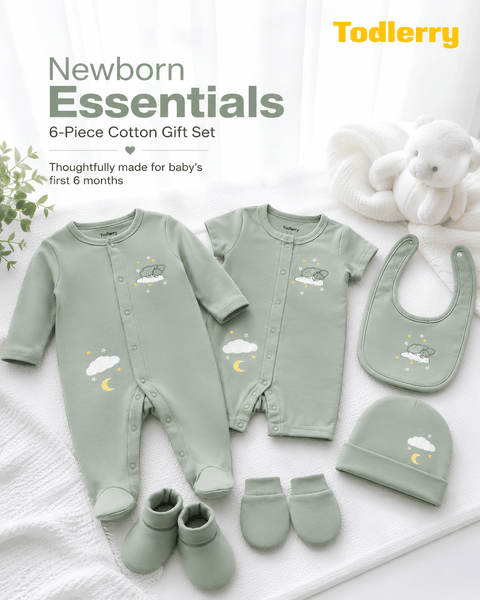
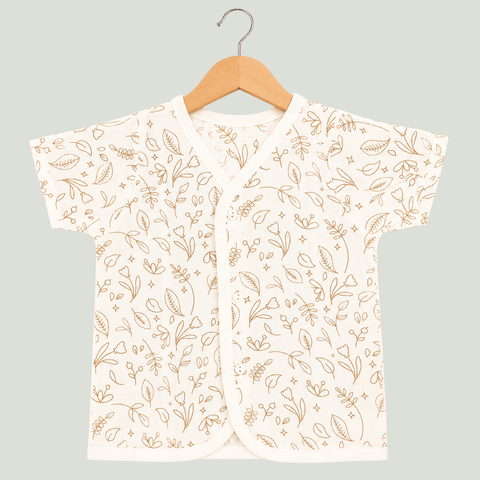
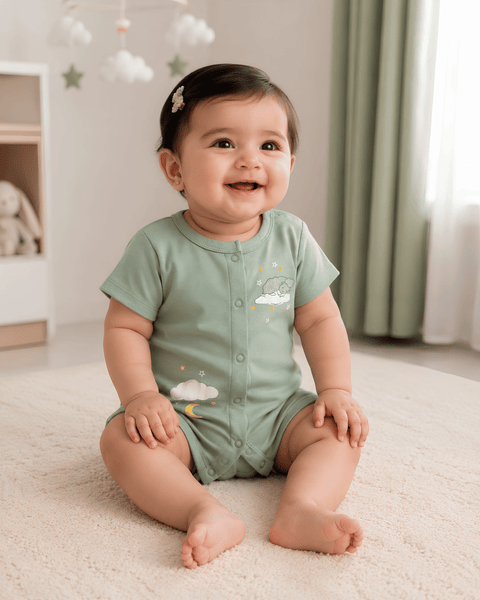
Preparing for your newborn can feel overwhelming, especially when it comes to clothing. A newborn clothes checklist is an essential tool for every parent, ensuring your baby has all the necessary outfits without overspending or cluttering your nursery. In the first few months, babies grow quickly, and having the right wardrobe makes dressing simpler, safer, and more comfortable for your little one.
Many parents face questions like how many bodysuits are enough, what fabrics are safest, and which outfits are suitable for different seasons. This guide solves all of that. With expert insights and practical advice, our newborn clothes checklist covers daily essentials, seasonal clothing tips, fabric choices, and smart shopping strategies. Featuring trusted recommendations from Todlerry, you can confidently prepare a complete newborn wardrobe that balances comfort, safety, and style.
Why a Newborn Clothes Checklist Helps
A newborn clothes checklist is more than a shopping guide. It helps parents make informed decisions, saves money, and prevents unnecessary stress. Using a checklist ensures you buy only what your baby needs while avoiding clutter and confusion.
A proper newborn clothes checklist benefits parents in multiple ways
- Saves money by preventing purchases of duplicate or unnecessary items
- Helps plan the nursery and wardrobe efficiently
- Reduces stress by organizing clothes by type, season, and size
- Ensures your baby is comfortable in every weather condition
- Allows parents to focus on quality fabrics and baby-safe materials
By following a newborn clothes checklist, you avoid common mistakes like buying too many items in the wrong size or ignoring breathable fabrics that are essential for delicate newborn skin.
Newborn Clothes Checklist (Day-to-Day Essentials)
The Core Newborn Clothes Checklist
Here’s a practical, parent-friendly guide for building your newborn wardrobe. Quantities are based on the first 3 months when babies grow quickly.
|
Category |
Items & Description |
Suggested Quantity |
|
Tops & Onesies |
Short-sleeve onesies |
6–8 |
|
Long-sleeve onesies |
4–6 |
|
|
Soft t-shirts |
3–4 |
|
|
Bottoms & Sleepwear |
Pajama sets |
4–5 |
|
Footed sleepers |
6–8 |
|
|
Soft joggers |
2–3 |
|
|
Outer Layers |
Hoodies or sweaters (seasonal) |
2–3 |
|
Wrap jackets |
1–2 |
|
|
Accessories |
Hats & caps |
2–3 |
|
Socks & mittens |
6–8 pairs |
|
|
Bibs |
4–6 |
Tips for Using the Checklist:
- Focus on comfortable, breathable fabrics like 100% cotton.
- Opt for items with easy diaper access, such as snaps or zippers.
- Mix and match daywear and sleepwear to reduce laundry stress.
Choosing the Right Fabric for Newborn Clothes
Fabric choice is one of the most critical aspects of a newborn clothes checklist. Babies have sensitive skin that can react to rough or synthetic materials. Choosing the right fabric ensures comfort, safety, and durability.
Key points for fabric selection
- Prioritize 100% cotton or organic cotton for softness and breathability
- Avoid synthetic fabrics like polyester blends that may irritate skin or trap heat
- Choose fabrics that are gentle and hypoallergenic to reduce the risk of rashes
- Todlerry offers a wide range of baby-safe, 100% cotton newborn clothes designed for comfort and long-lasting use
A newborn clothes checklist should always emphasize breathable, soft, and lightweight fabrics to make dressing and layering easy, regardless of the season.
Seasonal Newborn Clothing Guide
Your newborn clothes checklist should account for seasonal changes to ensure your baby remains comfortable all year.
Summer and Warm Weather
- Lightweight cotton bodysuits and t-shirts
- Short-sleeve onesies and breathable leggings
- Sun-safe hats to protect delicate skin from sunlight
- Soft socks for protection without overheating
Parents preparing for warmer months can explore breathable options like baby boy summer clothes designed specifically for comfort in high temperatures.
Monsoon and Transitional Weather
- Light layers such as thin cardigans or wrap jackets
- Breathable leggings and footed sleepers
- Water-resistant outerwear for rainy days
Winter and Cooler Months
- Warm bodysuits and full-sleeve sleepers
- Hoodies, sweaters, and fleece layers for added warmth
- Layered outfits using cotton inner layers and soft outerwear to maintain comfort in cold Indian winters. For colder seasons, parents often rely on cozy essentials such as baby boy winter clothes that provide warmth without compromising breathability.
Following a seasonal newborn clothes checklist ensures your baby stays cozy and healthy while reducing the need to buy new clothes every month.
How Many Clothes Should You Buy
Knowing how many items to buy is key to an effective newborn clothes checklist. Newborns grow rapidly, and buying the right quantity prevents waste and clutter.
- For babies aged 0 to 3 months, focus on essentials such as bodysuits, sleepers, and pajamas in multiples. Parents often find it helpful to start with curated options like baby boy clothes 0 3 months to cover daily needs efficiently.
- For babies aged 3 to 6 months, gradually increase the number of outfits but avoid buying too many in advance. Planning ahead with collections such as 6 month baby boy clothes helps accommodate growth spurts without excess purchases.
- Mix and match sets are ideal for variety and cost savings
- Keep a few items one size larger for sudden growth spurts
Suggested Quantities Using a Newborn Clothes Checklist
- 6 to 8 bodysuits or onesies
- 4 to 5 pajama sets
- 6 footed sleepers
- 2 to 3 soft joggers or leggings
- 2 to 3 outer layers
- 2 to 3 hats, 6 to 8 pairs of socks, 4 to 6 bibs
Common Newborn Clothing Mistakes to Avoid
Even with a newborn clothes checklist, parents can make mistakes. Avoid these common errors
- Buying too many “just in case” outfits that are rarely used
- Ignoring fabric breathability, leading to rashes or discomfort
- Skipping adjustable fits like snaps or zippers that simplify diaper changes
- Not accounting for seasonal needs and buying the wrong types of clothing
- Overlooking growth spurts and stocking only one size
Being mindful of these mistakes ensures your newborn clothes checklist is practical and efficient.
Bonus: Newborn Outfit Ideas for Special Occasions
Your newborn clothes checklist should include outfit ideas for special occasions while prioritizing comfort
- Playtime sets with soft tees and leggings for unrestricted movement
- Daily wear combinations with bodysuits, footed sleepers, and socks
- First photo or family celebration outfits with soft dresses or rompers and matching caps
As your baby grows beyond infancy, transitioning wardrobes becomes easier with age-appropriate collections like 1 year baby boy clothes that balance comfort, durability, and style. Always prioritize comfort and safety, especially for newborns who are still adjusting to new clothing textures and layers.
Conclusion
A well-prepared newborn clothes checklist helps parents save money, reduce stress, and ensure their baby is comfortable and stylish. Prioritize breathable fabrics, the right quantities, seasonal needs, and practical designs that allow for easy diaper changes and growth. Thoughtful planning ensures a happy, cozy, and safe wardrobe for your newborn.
Ready to build the perfect wardrobe for your newborn? Explore premium, baby-safe outfits at Todlerry, made from 100% breathable cotton and earth-friendly fabrics. Shop the best newborn clothes checklist essentials now for effortless comfort, adorable style, and joyful parenting.
Frequently Asked Questions
Q1. How many outfits does a newborn really need?
Ans: A newborn typically needs 6 to 8 bodysuits, 4 to 5 pajama sets, 2 to 3 outer layers, and essential accessories like hats, socks, and bibs. Adjust quantities based on how often you plan to do laundry.
Q2. What clothes are best for easy diaper changing?
Ans: Onesies or sleepers with snap buttons or zippers make diaper changes faster and more convenient, reducing stress for both parents and babies.
Q3. Are newborn clothes machine washable?
Ans: Yes, but always use a gentle, baby-safe detergent to protect delicate skin and preserve fabric softness. Avoid harsh detergents and bleach.
Q4. Which fabric is ideal for Indian climates?
Ans: 100% cotton is best for all seasons as it is breathable, soft, and absorbs sweat. Organic cotton is even better for sensitive skin.
Q5. How often should I wash newborn clothes?
Ans: Washing 2 to 3 times a week is generally sufficient, though some clothes may need washing more frequently due to spills or diaper leaks.
Q6. Should I buy gender-specific clothing?
Ans: Gender-neutral clothing is versatile and cost-effective. Todlerry offers a range of unisex newborn clothes suitable for boys and girls.
Q7. How should I plan clothing for seasonal changes?
Ans: Use your newborn clothes checklist to prepare summer, monsoon, and winter essentials. Layering is key, with cotton innerwear for warmth or cooling as needed.
Q8. Can I mix different brands in my newborn wardrobe?
Ans: Yes, focus on fabric quality, comfort, and sizing consistency rather than sticking to a single brand. Mixing brands allows flexibility and variety in your baby’s wardrobe.