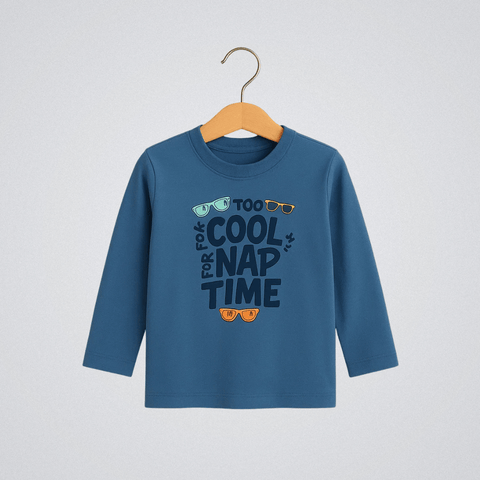
Knowing how to measure child for clothes helps you choose the right size, improve comfort, and reduce returns. Measure your child's height, chest, waist, hips, and inseam with a soft tape instead of relying only on age. Comparing these measurements with a brand's size chart ensures a better fit for growing children.
If you're wondering how to measure child for clothes, the answer is simple: use accurate body measurements rather than age alone. Children's sizes vary across brands, making measurements the most reliable way to find a comfortable fit. At Todlerry, we believe that the right measurements, paired with soft, thoughtfully designed clothing, help children stay comfortable as they grow.
Why Measuring Your Child Before Buying Clothes Matters
Every child grows at their own pace, which means two children of the same age can wear completely different sizes. While age-based sizing offers a rough estimate, it often doesn't account for differences in height, body shape, or growth spurts.
Learning how to measure child for clothes allows parents to shop with greater confidence. Accurate measurements reduce the chances of buying clothes that are too tight or too loose, saving both time and money. If you've ever wondered should i buy baby clothes a size up, accurate measurements make that decision much clearer.
The benefits include:
- Better everyday comfort
- Easier movement during play
- Less frequent returns and exchanges
- Longer-lasting wear by choosing the right size
What You'll Need Before Measuring Your Child
Before you begin, gather a few simple items:
- A flexible measuring tape
- Lightweight clothing or well-fitted innerwear
- A flat wall for measuring height
- A notebook or mobile phone to record measurements
For the most accurate results, ask your child to stand naturally without shoes and avoid pulling the measuring tape too tightly.
How to Measure Child for Clothes Step by Step
Understanding how to measure child for clothes becomes much easier when you measure each part of the body carefully.
Measure Height
Ask your child to stand straight against a wall without shoes.
Measure from the top of the head to the bottom of the heels while ensuring they stand naturally. Height is one of the most important measurements because many clothing brands use it as their primary sizing reference.
Measure Chest
Wrap the measuring tape around the fullest part of the chest while keeping it level across the back.
The tape should fit comfortably without squeezing the body.
Measure Waist
Find the natural waistline, usually just above the belly button.
Wrap the tape around the waist without pulling it tight. A little breathing room ensures greater comfort, especially for everyday clothing.
Measure Hips
Measure around the fullest part of the hips while your child stands with their feet together.
Keep the tape straight and parallel to the floor for an accurate reading.
Measure Inseam
The inseam is measured from the crotch to the ankle.
This measurement is especially useful when purchasing joggers, leggings, trousers, and jeans. For example, finding the right fit in baby girl leggings becomes straightforward once you have an accurate inseam measurement.
Optional Measurements
Depending on the clothing type, you may also measure:
- Sleeve length
- Shoulder width
- Neck circumference
These measurements are particularly useful for jackets, shirts, and winter wear.
Kids Clothing Measurement Chart
After taking measurements, compare them with the kids clothing size chart india provided by the clothing brand.
Record the following measurements:
|
Measurement |
Purpose |
|
Height |
Overall clothing size |
|
Chest |
Tops, jackets, dresses |
|
Waist |
Bottoms, shorts, skirts |
|
Hips |
Pants and fitted clothing |
|
Inseam |
Trousers and leggings |
Always use body measurements rather than guessing based on age.
Age vs Measurements: Which One Should You Trust?
Many parents assume age determines clothing size, but this isn't always true.
Children grow differently based on genetics, nutrition, and activity levels. A five-year-old may wear the same size as another child who is four or six. Understanding why baby clothing size doesnt match age helps parents make more confident shopping decisions.
This is exactly why understanding how to measure child for clothes is far more reliable than relying solely on age labels.
Whenever possible, choose clothing according to your child's actual measurements instead of the printed age range.
Common Mistakes Parents Make When Measuring Kids
Even small mistakes can affect clothing fit.
Avoid these common errors:
- Measuring over bulky clothing
- Pulling the tape too tightly
- Measuring while the child is slouching
- Forgetting to check the brand's size chart
- Using old measurements after several months
Children grow quickly, so updating measurements regularly helps ensure continued accuracy.
Tips to Choose the Right Clothing Size Every Time
Once you've learned how to measure child for clothes, these simple tips will help you make better buying decisions.
- Compare Every Brand's Size Chart: Sizing standards differ across brands. Always compare your child's measurements with the specific size guide.
- Leave Room for Growth: Children grow rapidly, so choosing a size with a little extra room can extend the life of the garment without affecting comfort.
- Consider Fabric Type: Stretch fabrics fit differently than woven fabrics. Understanding the material helps you select the most comfortable size.
-
Think About Seasonal Layering: Winter clothing often needs additional room for layering, while summer wear generally fits best with a relaxed yet breathable silhouette. Layered outfits like hoodies for teenage girl are a great example of where sizing slightly up makes a real difference.
How Often Should You Measure Your Child?
Children's bodies change quickly during their growing years.
A practical guideline is:
- Babies: Every 2–3 months
- Toddlers: Every 3–6 months
- School-age children: Every 6–12 months
Regular measurements make future shopping much easier.
Measuring Children for Different Types of Clothing
Different garments may require different measurements.
- T-Shirts and Tops: Focus mainly on chest and height measurements. A well-fitted stylish t shirt for boy starts with getting the chest and height measurements right.
- Dresses: Measure chest, waist, and height for a comfortable overall fit.
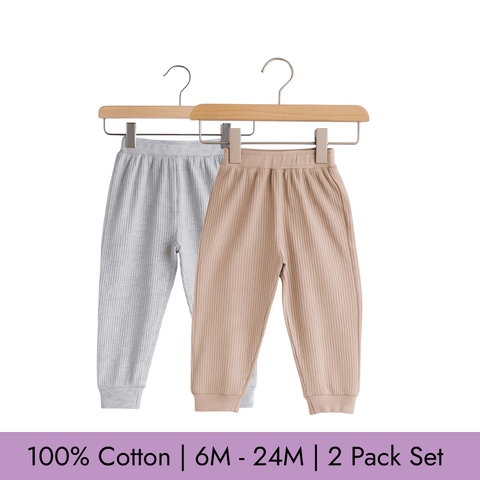
- Pants and Joggers: Waist, hips, and inseam are the most important measurements.
- Rompers: Height and chest measurements help determine the correct romper size.
- Sleepwear: Choose a relaxed fit that allows easy movement throughout the night.
- Winter Wear: Consider sizing slightly larger if your child wears multiple layers underneath.
Why Soft, Breathable Fabrics Matter Along with the Right Size
Choosing the correct size is only part of ensuring your child's comfort. Fabric quality plays an equally important role.
Soft, breathable cotton helps regulate body temperature, reduces irritation on delicate skin, and allows children to move freely throughout the day.
Comfortable fits, breathable fabrics, durable stitching, and playful designs make Todlerry a trusted choice for parents looking for clothing that supports active lifestyles without compromising on quality. Parents who love printed t shirts for boys will find a wide range of thoughtfully crafted options across Todlerry's collections.
Why Parents Choose Todlerry
Finding the perfect size becomes even more rewarding when paired with thoughtfully designed clothing.
Todlerry creates children's clothing using soft 100% cotton fabrics that are gentle on delicate skin while offering lasting comfort for everyday wear. From newborn essentials and jhablas to rompers, dresses, T-shirts, joggers, and everyday outfits, every collection is designed with growing children in mind.
Comfortable fits, breathable fabrics, durable stitching, and playful designs make Todlerry a trusted choice for parents looking for clothing that supports active lifestyles without compromising on quality.
Final Thoughts
Learning how to measure child for clothes is one of the simplest ways to improve your child's comfort and make online shopping much easier. Accurate measurements help you choose better-fitting clothes, reduce unnecessary exchanges, and ensure your child enjoys unrestricted movement every day.
Taking just a few minutes to measure height, chest, waist, hips, and inseam before shopping can make a significant difference in finding clothes that truly fit.
Shop Comfortable Kidswear at Todlerry
Once you've learned how to measure child for clothes, it's time to choose clothing that's designed with growing children in mind. At Todlerry, every outfit is thoughtfully crafted from soft, breathable 100% cotton fabrics to keep little ones comfortable through every stage of childhood. Whether you're shopping for newborn essentials, adorable rompers, dresses, joggers, T-shirts, or everyday wear, Todlerry combines quality, comfort, and kid-friendly designs that parents can trust. Explore the latest collection and shop confidently with your child's measurements for the perfect fit every time.
Frequently Asked Questions
Q1. How do you measure a child for clothes?
Measure your child's height, chest, waist, hips, and inseam using a soft measuring tape while they stand naturally. Compare these measurements with the brand's size chart instead of relying only on age.
Q2. Can I buy clothes based only on my child's age?
No. Age provides only a general estimate. Body measurements offer a much more accurate way to choose the correct clothing size.
Q3. Can two children of the same age wear different clothing sizes?
Yes. Growth patterns vary, so children of the same age may have different heights, body shapes, and measurements.
Q4. Is height the most important measurement for kids' clothing?
Height is one of the most important measurements, but chest, waist, hips, and inseam are equally important for achieving the best fit.
Q5. Is it better to size up for growing children?
If your child's measurements fall between two sizes, choosing the larger size usually provides additional room for growth and longer wear.
Q6. Will measuring regularly help when shopping online?
Yes. Updating your child's measurements every few months improves sizing accuracy and reduces the likelihood of returns or exchanges.
Q7. What measurements are needed for children's clothing?
The essential measurements include height, chest, waist, hips, and inseam. Some garments may also require sleeve length or shoulder measurements.
Q8. Why do clothing sizes differ between brands?
Each brand uses its own sizing standards, making body measurements more reliable than age labels when selecting children's clothing.