The best way to use a kids clothing size chart India is to measure your child's height, chest, and waist rather than relying on age alone. Since children grow at different rates, height-based sizing provides the most accurate fit. Always compare measurements with a brand's size chart before buying clothes online.
Finding the right clothing size for your child can be surprisingly challenging. While age labels offer a starting point, every child grows differently, and sizing can shift quickly between stages like our 6 month baby boy clothes range. This complete kids clothing size chart India guide from Todlerry explains how to measure your child accurately, understand size conversions, and choose comfortable clothing that fits well from newborn to 10 years.
Why Kids Clothing Sizes in India Are So Confusing
Many parents assume that buying clothes based on age guarantees a good fit. Unfortunately, that's not always the case.
Different brands often use different sizing standards. A size suitable for one 5-year-old in one brand may fit differently in another. Children's height, weight, body proportions, and growth patterns can vary significantly, making age-based sizing less reliable. Parents who want additional guidance specific to younger girls can also refer to the Indian baby frock size chart for a more detailed breakdown of early sizing across different styles.
Different Brands Follow Different Sizing Systems
There is no single universal sizing standard for children's clothing in India. Some brands use age-based labels, others focus on height or body measurements, which is why it helps to check specific ranges like baby boy clothes for 0-3 months directly against your child's measurements.
Age-Based vs Height-Based Sizing
Age labels provide a general estimate, but height-based sizing is usually more accurate. Two children of the same age may differ by several centimeters in height and body shape, which is worth keeping in mind when shopping ranges such as baby boy clothes for 3-6 months.
Why Measurements Matter More Than Age
Measurements help ensure that clothes fit comfortably around the chest, waist, shoulders, and length. This becomes especially important when shopping online. Parents who want expert advice on selecting well-fitted garments for younger children can find practical guidance in the article on how to choose soft and safe infant clothes in India before making any purchase.
How to Measure Child for Clothes Correctly
Knowing how to measure child for clothes can save time, reduce returns, and help you choose the right size confidently.
Measuring Height
- Ask your child to stand straight against a wall without shoes.
- Measure from the floor to the top of the head.
- Record the measurement in centimeters.
Measuring Chest
- Wrap a measuring tape around the fullest part of the chest.
- Keep the tape level and comfortably snug.
- Avoid pulling too tightly.
Measuring Waist
- Measure around the natural waistline.
- Ensure your child is standing naturally.
- Leave a slight breathing room.
Measuring Hip
- Measure around the widest part of the hips.
- This measurement is useful for bottoms, skirts, and dresses.
Measuring Shoulder Width
- Measure from one shoulder edge to the other across the back.
- This helps ensure comfortable movement.
Measuring Sleeve Length
- Measure from the shoulder point down to the wrist.
- Add a small allowance for comfort.
Common Measurement Mistakes Parents Make
- Measuring over bulky clothing
- Pulling the tape too tightly
- Using outdated measurements
- Relying only on age labels
- Ignoring brand-specific size charts
Kids Clothing Size Chart India (0–10 Years)
The following table serves as a general reference for Indian children's clothing sizes.
|
Age |
Height (cm) |
Chest (cm) |
Waist (cm) |
Recommended Size |
|
Newborn |
50–56 |
36–40 |
38–40 |
NB |
|
0–3 Months |
56–62 |
40–42 |
40–42 |
0–3M |
|
3–6 Months |
62–68 |
42–44 |
42–44 |
3–6M |
|
6–12 Months |
68–76 |
44–48 |
44–46 |
6–12M |
|
1–2 Years |
76–92 |
48–52 |
46–50 |
1–2Y |
|
2–3 Years |
92–98 |
52–54 |
50–52 |
2–3Y |
|
3–4 Years |
98–104 |
54–56 |
52–54 |
3–4Y |
|
4–5 Years |
104–110 |
56–58 |
54–56 |
4–5Y |
|
5–6 Years |
110–116 |
58–60 |
56–58 |
5–6Y |
|
6–7 Years |
116–122 |
60–62 |
58–60 |
6–7Y |
|
7–8 Years |
122–128 |
62–64 |
60–62 |
7–8Y |
|
8–10 Years |
128–140 |
64–70 |
62–66 |
8–10Y |
Note: Measurements may vary slightly across brands.
Baby Clothes Size Chart India (0–24 Months)
Babies grow rapidly during their first two years, making regular measurements essential.
- Newborn Size: Newborn sizes are designed for babies up to approximately 56 cm in height. Some babies may outgrow newborn clothing within a few weeks.
- Infant Size: Infant clothing is generally categorized by age ranges such as 0–3 months, 3–6 months, and 6–12 months.
- Weight-Based Sizing for Babies: For babies, weight can sometimes be a better indicator than age. Premature babies and larger infants may require different sizes than their age suggests.
- When to Size Up for Babies: If your baby is approaching the upper limit of a size range, sizing up often provides better comfort and longer wear.
Toddler Size Chart India (2–5 Years)
Toddlers are constantly moving, climbing, and exploring.
Typical Height and Weight Ranges
Growth rates vary significantly during the toddler years, making height an important sizing factor.
Best Fit Tips for Active Toddlers
- Choose flexible fabrics.
- Ensure enough room around the shoulders.
- Avoid overly tight waistbands.
Growth-Friendly Sizing Recommendations
Many parents prefer choosing a slightly larger size to accommodate growth while maintaining comfort. Soft and stretchy options like kids joggers boys are a practical choice during this stage as they offer flexible waistbands that adapt well to growth spurts.
Kids Size Chart for Boys and Girls (5–10 Years)
As children grow older, body proportions become more varied.
- Boys' Clothing Size: Boys often experience growth spurts at different ages. Height remains the most reliable sizing reference.
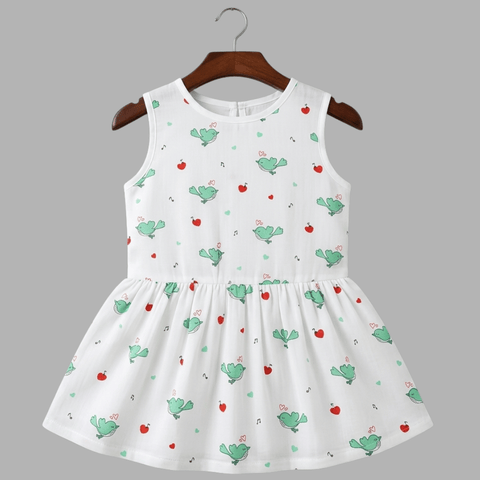
- Girls' Clothing Size: Girls may require additional consideration for dress length, waist fit, and shoulder measurements. Browsing frocks for kids girls with adjustable fits can help parents find styles that accommodate changing proportions without needing frequent replacements.
- Differences Between Brands: Even when sizes appear identical, garment measurements can vary. Always review the specific size chart provided by the brand.
Children's Clothes Size Guide India: Age vs Height vs Weight
Choosing the right sizing method can significantly improve fit accuracy.
|
Method |
Accuracy |
Best Use |
|
Age |
Moderate |
Quick reference |
|
Height |
High |
Everyday clothing |
|
Weight |
Medium |
Baby clothing |
|
Full Measurements |
Very High |
Online shopping |
For most parents, height combined with chest and waist measurements offers the most reliable results.
Signs Your Child Is Wearing the Wrong Clothing Size
Clothes Too Small
- Tight armholes
- Restricted movement
- Waistbands leaving marks
- Short sleeves or pant lengths
Clothes Too Large
- Constant slipping
- Excess fabric bunching
- Safety concerns during active play
Impact on Comfort and Movement
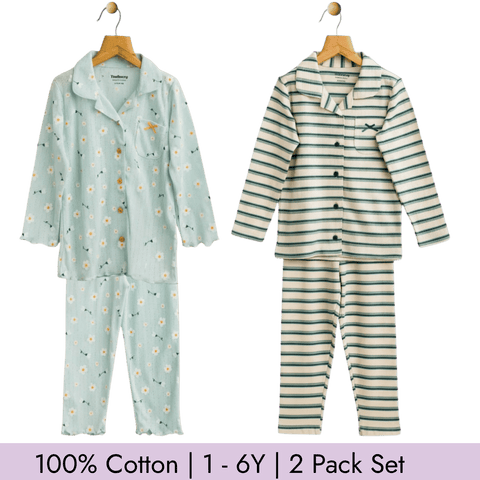
Properly fitted clothing supports healthy movement and everyday comfort. For girls who need nightwear that fits well and allows unrestricted sleep movement, options from the night suit for kids girls collection are worth checking against the size chart before purchasing.
Skin Irritation and Fabric Stress
Ill-fitting garments may cause rubbing, irritation, and premature fabric wear.
Expert Tips for Choosing the Right Kidswear Size Online
- Always Measure Before Ordering: Children can outgrow clothing faster than expected.
- Compare Measurements with Brand Charts: Never assume sizing is identical across brands.
- Leave Room for Growth: A small amount of extra room can extend the lifespan of clothing.
- Choose Breathable Cotton Fabrics: Comfortable fabrics support active play and all-day wear.
- Consider Seasonal Layering: Allow additional room if clothing will be worn over layers during colder months. Parents shopping for occasion-specific sizing such as party dresses can also use the 5 year girl dress size chart as a reliable reference to ensure the right fit for special events
Final Thoughts
Choosing the right children's clothing size doesn't have to be complicated. While age labels provide a useful starting point, accurate measurements deliver the best results, whether you are sizing a full sleeve tee or a pair of leggings for kids girls. By focusing on height, chest, and waist measurements, parents can make more confident purchasing decisions and ensure better comfort for their children.
Find the Perfect Fit with Todlerry
At Todlerry, we believe children's clothing should support every stage of growth with comfort, quality, and thoughtful design. Our collections are crafted using soft, breathable fabrics and practical sizing guidance to help parents shop confidently.
Whether you're shopping for newborn essentials, everyday outfits like our baby girl t-shirts, or stylish clothing for growing kids, explore Todlerry's carefully designed collections and detailed size guides to find the perfect fit for your little one.
Frequently Asked Questions
Q1. How do I use a kids clothing size chart India correctly?
Measure your child's height, chest, and waist first. Compare these measurements with the brand's chart instead of relying solely on age labels.
Q2. How often should I measure my child for clothes?
Most experts recommend measuring every three to six months, especially during periods of rapid growth.
Q3. Can I buy clothes based only on my child's age?
Age can be used as a starting point, but measurements provide a much more accurate fit.
Q4. Can two children of the same age wear different sizes?
Yes. Growth patterns vary significantly among children, making size differences common even within the same age group.
Q5. Is height more important than age when choosing kids' clothes?
In most cases, yes. Height is generally a better indicator of proper garment length and overall fit.
Q6. Will sizing up make clothes last longer?
A slightly larger size can provide additional wear time, provided the garment still fits safely and comfortably.
Q7. What measurements are most important when buying children's clothes online?
Height, chest, and waist measurements are usually the most important factors for selecting the correct size.
Q8. Why do clothing sizes vary between brands?
Brands use different sizing standards, fit preferences, and garment designs, which can lead to noticeable size variations.