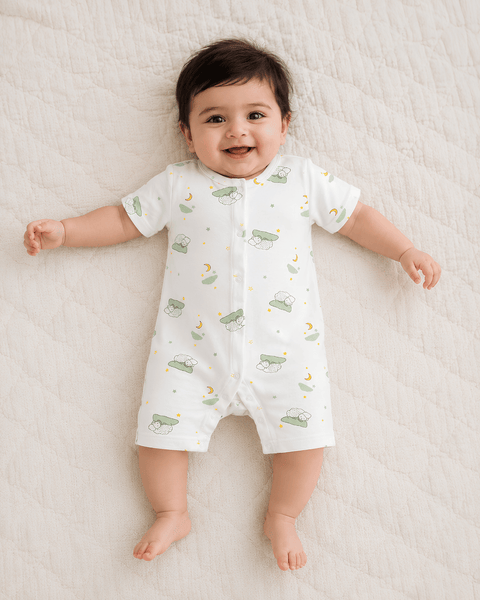
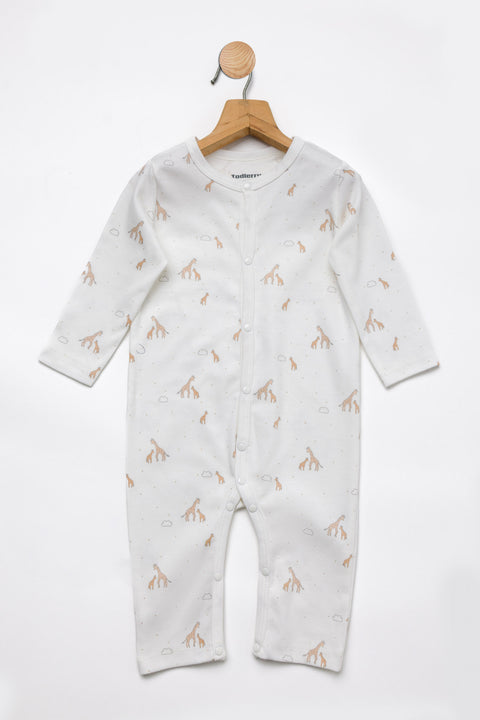
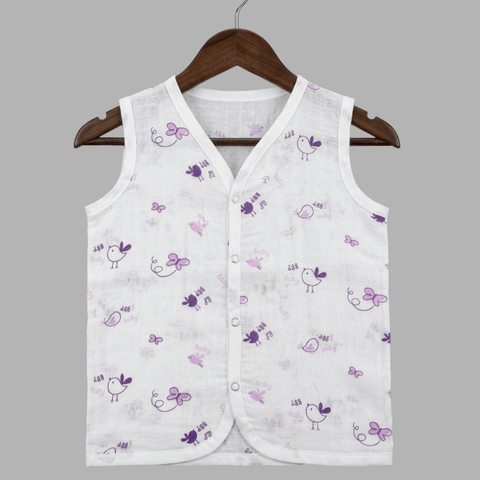
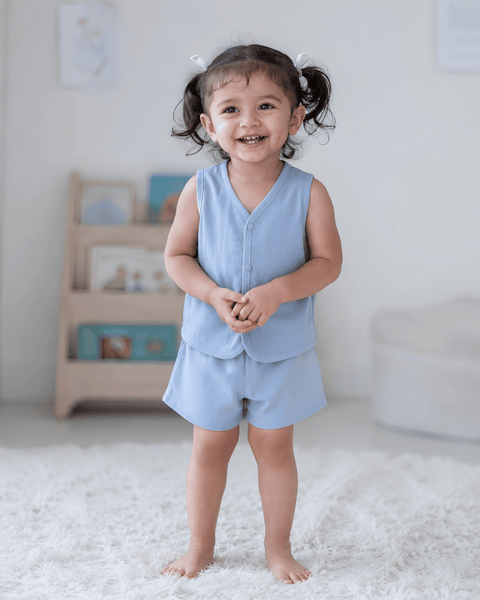
Yes, in many cases, buying baby clothes one size up is a smart choice, especially during growth spurts or when shopping ahead for future seasons. However, the fit should still allow safe movement and comfort. Clothes that are too large can be impractical, while clothes that are too small can restrict movement and cause discomfort. The best approach is to balance growing room with a comfortable fit.
If you're wondering, should I buy baby clothes a size up? The short answer is: often, yes. Babies grow quickly, and clothing sizes can vary between brands. At Todlerry, we understand that parents want clothes that offer comfort today while allowing room for tomorrow's growth. Choosing the right size can help your baby stay comfortable, active, and happy throughout every stage.
Why Baby Clothing Sizes Can Be So Confusing
Buying baby clothes seems simple until you realize that one brand's 6–12 month outfit fits differently from another's. Unlike adult clothing, baby sizes are usually based on age ranges, but babies don't all grow at the same pace.
Baby Sizes Vary Between Brands
A size labeled "6–12 months" may fit very differently depending on the manufacturer. Some brands design for average growth, while others offer a more generous fit. This is particularly noticeable when shopping for staples like baby boy summer clothes, where lightweight fabrics and cuts can vary widely across brands.
Every Baby Grows Differently
Some babies gain weight rapidly, while others grow taller before filling out. This is why relying solely on age labels can be misleading.
Seasonal Shopping Adds Another Challenge
Parents often purchase clothing months ahead. A winter jacket bought in summer may not fit when cold weather arrives if growth isn't considered. Even everyday basics like t-shirts for baby boys are often bought a season early, making it essential to factor in growth room before purchasing.
This is one reason many parents ask, should I buy baby clothes a size up when shopping for future needs.
Should I Buy Baby Clothes a Size Up?
The answer depends on your baby's age, the clothing category, and how soon the item will be worn.
When Buying One Size Bigger Makes Sense
Buying bigger size baby clothes is often beneficial when:
- Your baby is approaching a growth spurt
- You're shopping for a future season
- The brand runs small
- You're investing in premium-quality clothing designed for extended wear
When Current Size Is the Better Choice
There are situations where sizing up isn't ideal:
- Newborn essentials for immediate use
- Sleepwear that requires a proper fit
- Special occasion outfits
- Clothing with safety considerations
Many parents asking should I buy baby clothes a size up discover that a balanced approach works best size up selectively rather than across every purchase.
The Golden Rule
Your baby should have room to move, crawl, stretch, and play comfortably without drowning in excess fabric.
7 Signs Your Baby Clothes Are Too Small
Recognizing when baby clothes become too small can help prevent discomfort and ensure healthy movement.
- Red Marks on the Skin: Elastic bands or seams leaving marks often indicate a tight fit.
- Snaps and Buttons Pull Open: If fasteners seem strained, the garment has likely reached its limit.
- Sleeves and Pant Legs Look Short: Frequent exposure of wrists and ankles can signal that it's time to size up.
- Restricted Movement: Babies need freedom to kick, roll, crawl, and explore.
- Tight Neck Openings: Difficulty dressing your baby may indicate that the garment is no longer suitable.
- Diaper Area Feels Crowded: A snug diaper area can affect comfort and mobility.
- Increased Fussiness During Dressing: Some babies communicate discomfort through resistance and irritability.
If you notice several of these signs, the answer to should I buy baby clothes a size up is probably yes.
Benefits of Buying Bigger Size Baby Clothes
There are several practical advantages to buying bigger size baby clothes.
- Longer Wear Time: Babies outgrow clothes rapidly. A slightly larger size often extends the usable life of a garment.
- Better Value for Money: Parents get more wear from each purchase, reducing the need for constant replacements.
- Improved Comfort: A little extra room allows babies to move naturally and comfortably.
- Easier Layering: Slightly larger clothing accommodates additional layers during colder months.
- Reduced Shopping Stress: Parents can worry less about clothes becoming too small within weeks.
Size Up Baby Clothing Tips Every Parent Should Know
Following these size up baby clothing tips can help you shop more confidently.
Check Measurements First
Always compare your baby's height and weight against the brand's size chart.
Consider Fabric Stretch
Soft cotton fabrics with natural flexibility often provide a more forgiving fit. If you're unsure which materials work best for little ones, a helpful guide on best fabrics for kids outfits can help you make more informed choices when sizing up.
Look for Adjustable Features
Useful features include:
- Elastic waistbands
- Stretch cuffs
- Expandable neck openings
- Adjustable straps
Think About Clothing Type
Different garments fit differently. Parents shopping for newborns often consider options like baby boy rompers for 0–3 months, which are designed as a single piece and tend to offer a more forgiving fit compared to separates.
- Onesies: Slightly larger is often fine
- T-shirts: Easy to size up
- Pants: Ensure the waist remains secure
- Sleepwear: Follow recommended sizing guidelines
Read Reviews
Other parents' experiences can reveal whether a brand runs large or small.
When following these size-up baby clothing tips, you'll make more informed purchasing decisions.
How Much Growing Room Should Baby Clothes Have?
Parents often worry about buying clothes that are too large.
A good fit should allow:
- Two fingers comfortably under the neckline
- Easy arm and leg movement
- Comfortable diaper space
- No pulling at seams
Clothes should feel relaxed without appearing oversized.
The goal isn't simply to buy bigger clothing. It's to choose garments that accommodate growth while remaining practical.
Common Mistakes Parents Make When Sizing Up
- Buying Several Sizes Too Large: One size up can be helpful. Two or three sizes larger usually create fit and safety issues.
- Ignoring Fabric Composition: Some fabrics shrink after washing, while others retain their original size.
- Trusting Age Labels Alone: Measurements are more reliable than age recommendations.
- Overbuying Seasonal Clothing: Buying far ahead can result in unworn items if growth predictions are inaccurate.
These are important considerations when deciding, should I buy baby clothes a size up for future use.
Best Fabrics for Growing Babies
Fabric choice matters just as much as sizing.
Why 100% Cotton Is Often Preferred
Cotton offers several benefits:
- Breathability
- Softness
- Comfort for sensitive skin
- Durability
- Easy care
Avoid Rough Synthetic Fabrics
Poor-quality materials may trap heat and feel uncomfortable against delicate skin. This is especially worth keeping in mind when choosing baby girl t-shirts or any garment worn directly against your baby's skin for extended periods.
At Todlerry, we focus on thoughtfully crafted cotton clothing that supports both comfort and everyday movement, making it easier for parents to choose clothing that adapts to their baby's growth.
Final Thoughts
So, should I buy baby clothes a size up? For many parents, the answer is yes but thoughtfully. Choosing one size larger can provide additional wear time, better value, and greater comfort during periods of rapid growth. However, fit should always remain the priority. If you're also navigating warmer weather, learning how to dress a baby girl in summer can help you balance the right sizing with seasonal comfort.
Instead of relying solely on age labels, consider your baby's measurements, growth patterns, and the specific type of clothing you're purchasing. By doing so, you'll make smarter buying decisions and ensure your little one stays comfortable every step of the way.
Give Your Baby Room to Grow with Todlerry
Finding the perfect fit shouldn't mean compromising on comfort. At Todlerry, every piece is thoughtfully designed with growing babies in mind, using soft, breathable cotton fabrics that support movement, comfort, and everyday adventures. Whether you're shopping for newborn essentials or outfits for active little explorers, Todlerry offers quality clothing made to keep up with every milestone.
Explore Todlerry's collection today and discover baby clothing designed for comfort today and growth tomorrow.
Frequently Asked Questions
Q1. How do I know when it's time to size up my baby's clothes?
Look for signs such as tightness, red marks, short sleeves, restricted movement, or difficulty fastening snaps and buttons.
Q2. How much bigger should baby clothes be?
Generally, one size larger is sufficient. Avoid buying excessively oversized clothing that may affect comfort and practicality.
Q3. Can babies wear clothes that are one size bigger?
Yes. In most cases, one size bigger provides extra growing room while remaining comfortable and functional.
Q4. Can oversized baby clothes be unsafe?
Excessively large clothing can interfere with movement or create tripping hazards once babies become mobile.
Q5. Is it better to buy baby clothes based on age or measurements?
Measurements are usually more accurate because babies grow at different rates.
Q6. Will buying bigger size baby clothes save money?
Often, yes. Clothing that lasts longer typically provides better value and reduces frequent replacement purchases.
Q7. What should I do if my baby's clothes suddenly become too small?
Reassess their measurements and gradually transition to the next size while ensuring a comfortable fit.
Q8. Why do baby clothes sizes differ between brands?
Brands use different sizing standards, fit preferences, and manufacturing specifications, which can result in noticeable size variations.