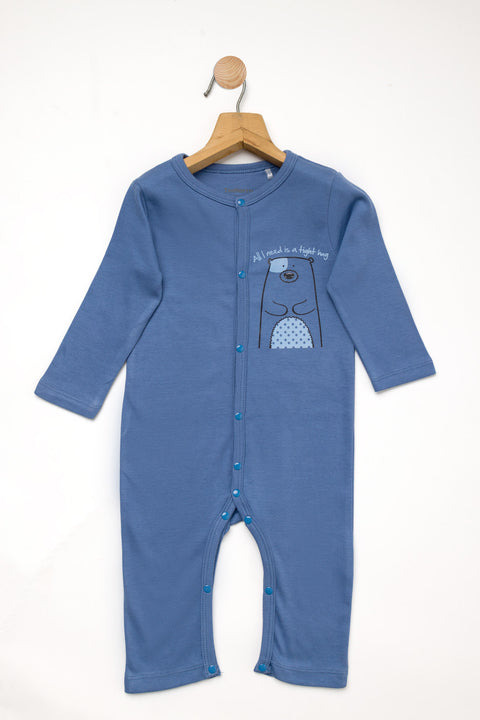
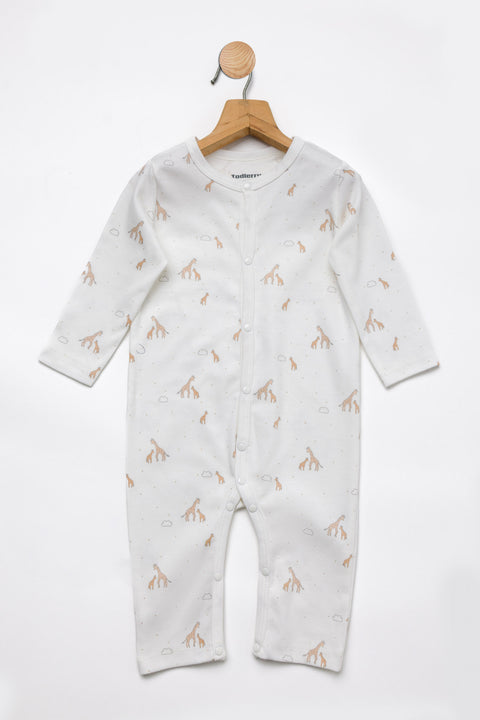
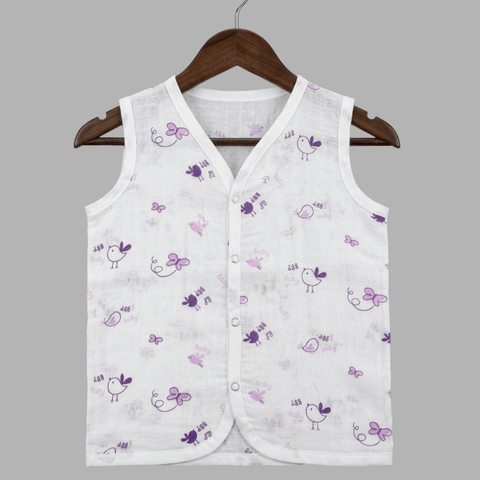
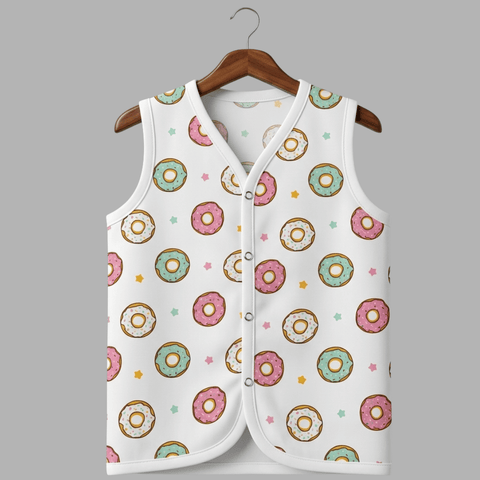
A newborn should typically wear one more layer than an adult feels comfortable wearing in the same environment. Choose soft, breathable cotton clothing, avoid overdressing, and adjust layers based on room temperature and weather conditions. Focus on comfort, easy movement, and temperature regulation rather than heavy or restrictive outfits.
If you're wondering how to dress a newborn baby, the simplest rule is to dress your baby in one additional layer than you are wearing. Newborns cannot regulate their body temperature efficiently, so choosing breathable, comfortable clothing is essential. At Todlerry, we understand that your baby's first wardrobe should combine comfort, safety, and practicality, helping parents make confident dressing choices from day one. Before your little one arrives, going through a detailed newborn clothes checklist can help ensure you have every essential ready without overspending on items you may not need.
How to Dress a Newborn Baby Safely and Comfortably
Bringing your baby home is exciting, but many parents quickly realize that dressing a newborn can feel surprisingly complicated. Questions about temperature, layers, fabrics, and seasonal clothing are common, especially for first-time parents.
Understanding how to dress a newborn baby begins with knowing that newborns lose body heat more quickly than adults. Their delicate skin and developing temperature regulation systems require clothing that provides warmth without causing overheating.
Understanding Your Newborn's Temperature Needs
Unlike adults, newborn babies cannot effectively regulate their body temperature. This means they can become too hot or too cold faster than older children.
Watch for signs of overheating:
- Sweating
- Damp hair
- Flushed cheeks
- Rapid breathing
- Warm chest or neck
Signs your baby may be cold include:
- Cool chest
- Pale skin
- Fussiness
- Cold hands and feet accompanied by a cool torso
Rather than checking hands and feet alone, feel your baby's chest or the back of the neck for a more accurate indication of comfort.
The One-Layer Rule Every Parent Should Know
One of the most trusted recommendations for how to dress a newborn baby is the one-layer rule.
For example:
- If you're comfortable in a T-shirt indoors, your baby may need a bodysuit plus a lightweight cotton layer.
- If you're wearing a sweater outdoors, your baby may need a bodysuit, an additional layer, and appropriate outerwear.
This simple guideline helps prevent both underdressing and overheating.
Essential Newborn Clothing Checklist
Building a practical newborn wardrobe doesn't require dozens of outfits. Focus on versatile essentials that provide comfort and make daily changes easier.
Everyday Clothing Essentials
Every newborn wardrobe should include:
- Soft cotton jhablas
- Bodysuits
- Rompers
- Sleepsuits
- Leggings
- Mittens
- Socks
- Caps
- Swaddles or sleep sacks
Todlerry's collection of cotton jhablas for newborns, rompers, sleepsuits, and coordinated sets is designed with newborn comfort in mind, making everyday dressing simpler for parents.
How Many Clothes Does a Newborn Really Need?
|
Clothing Item |
Recommended Quantity |
|
Jhablas |
6–8 |
|
Rompers |
5–7 |
|
Sleepsuits |
4–6 |
|
Bodysuits |
6–8 |
|
Caps |
2–3 |
|
Mittens |
4–5 pairs |
|
Socks |
4–5 pairs |
Newborns often require multiple outfit changes daily due to spit-ups, diaper leaks, and feeding accidents. Parents looking for culturally rooted options alongside modern essentials may also find helpful inspiration in the guide on newborn Indian clothes, which covers traditional styles that work beautifully for everyday comfort.
Choosing Breathable Fabrics for Sensitive Skin
Fabric choice is just as important as the number of layers.
Look for:
- 100% cotton
- Soft seams
- Breathable weaves
- Chemical-safe dyes
- Stretchable neck openings
Cotton remains the preferred fabric because it allows airflow while reducing the risk of skin irritation.
How to Put Clothes on a Newborn Without Causing Discomfort
Many new parents search for how to put clothes on newborn safely because newborns can seem fragile.
Step-by-Step Guide for Tops and Bodysuits
- Lay the garment flat.
- Gently stretch the neck opening.
- Support your baby's head and neck.
- Guide the garment over the head slowly.
- Insert arms one at a time.
- Fasten snaps carefully.
Always move slowly and avoid pulling clothing forcefully.
Dressing a Sleeping or Fussy Baby
To make clothing changes easier:
- Change clothing after feeding.
- Keep the room warm.
- Talk softly to your baby.
- Prepare the outfit beforehand.
Common Dressing Mistakes New Parents Make
Avoid:
- Over-layering
- Using rough fabrics
- Tight elastics
- Heavy blankets indoors
- Choosing fashion over comfort
These simple dressing newborn tips can significantly improve your baby's comfort.
Dressing Your Newborn During the Day
Understanding how to dress a newborn baby during daytime depends largely on indoor temperatures and planned activities.
Indoor Clothing Guide
For most homes:
- Warm weather: Cotton bodysuit or lightweight romper
- Moderate weather: Bodysuit plus lightweight pants
- Cooler temperatures: Additional cardigan or sleepsuit
Outdoor Clothing Guide
When leaving the house:
- Add one extra layer
- Use breathable fabrics
- Carry a light blanket
- Remove layers when entering heated environments
Dressing Newborns for Naps
For naps:
- Use fitted sleepwear
- Avoid loose blankets
- Keep the sleeping area clear
- Follow safe sleep guidelines
Todlerry's lightweight rompers for newborns and jhablas are ideal for warmer temperatures, offering breathable comfort that keeps sensitive skin cool throughout the day.
How to Dress a Newborn Baby at Night
Nighttime clothing plays a major role in sleep quality and safety.
Best Sleepwear Options
Recommended choices include:
- Cotton sleepsuits
- Footed pajamas
- Wearable blankets
- Sleep sacks
Todlerry's soft cotton sleepsuits provide a comfortable option for overnight wear while supporting unrestricted movement.
How Many Layers Should a Baby Wear at Night?
|
Room Temperature |
Recommended Clothing |
|
Above 24°C |
Lightweight cotton sleepsuit |
|
20–24°C |
Sleepsuit plus light layer |
|
Below 20°C |
Additional breathable layer |
When deciding how to dress a newborn baby at night, avoid excessive layering.
Safe Sleep Clothing Tips
- Avoid hats indoors during sleep
- Check chest temperature regularly
- Use breathable sleepwear
- Never rely solely on blankets for warmth
Seasonal Dressing Newborn Tips
How to Dress a Newborn in Summer
During summer:
- Use lightweight cotton clothing
- Choose sleeveless jhablas
- Dress in breathable rompers
- Avoid synthetic fabrics
Todlerry's lightweight cotton rompers and jhablas are ideal for warmer temperatures.
How to Dress a Newborn in Winter
Winter dressing requires layering.
Use:
- Cotton base layer
- Sleepsuit
- Lightweight sweater
- Cap when outdoors
The key to how to dress a newborn baby in winter is layering rather than bulky clothing. Parents looking for well-coordinated winter options can explore a thoughtfully designed range of newborn baby boy clothes that balance warmth with soft, skin-friendly fabrics.
Dressing During Monsoon and Humid Weather
- Change damp clothes promptly
- Use breathable fabrics
- Keep spare outfits available
- Avoid heavy materials
Signs Your Baby Is Too Hot or Too Cold
Monitoring comfort is more important than counting layers.
Overheating Warning Signs
- Sweating
- Flushed skin
- Rapid breathing
- Restlessness
Signs of Feeling Cold
- Cool chest
- Increased fussiness
- Pale skin
Where to Check Temperature Correctly
Check:
- Chest
- Back
- Neck
These areas provide a better indication than hands or feet.
Expert Dressing Newborn Tips Every Parent Should Follow
- Prioritize comfort over style.
- Dress according to the room temperature.
- Choose breathable cotton fabrics.
- Keep spare layers nearby.
- Wash all new clothing before use.
-
Select easy-change outfits for convenience. A newborn romper with snap closures is one of the most parent-friendly choices for quick changes throughout the day, combining practicality with the soft comfort newborns need.
The most effective newborn clothing guide is one that focuses on your baby's comfort rather than fashion trends. First-time parents who want a comprehensive starting point may also benefit from the detailed guide on The Newborn Checklist: Why High-Quality White Infant Onesies Are a Must-Have, which outlines exactly why certain wardrobe staples deserve a permanent place in every newborn's drawer
Dress Your Newborn in Comfort with Todlerry
Choosing the right clothing is one of the simplest ways to keep your baby comfortable, safe, and happy. Whether you're learning how to dress a newborn baby for the first time or updating your baby's wardrobe for a new season, breathable cotton essentials make all the difference.
Todlerry offers thoughtfully designed newborn clothing, including soft cotton jhablas, rompers, sleepsuits, dungarees, co-ord sets, and everyday essentials crafted for delicate skin and all-day comfort. Every piece is created with practicality, quality, and gentle fabrics in mind, helping parents build a newborn wardrobe they can trust.
Explore Todlerry's newborn collection today and discover clothing designed for life's most precious first moments.
Frequently Asked Questions
Q1. How many layers should a newborn wear?
Most newborns need one more layer than an adult would wear comfortably in the same environment.
Q2. How do I know if my newborn is dressed appropriately?
Check your baby's chest or neck. If these areas feel comfortably warm, your baby is likely dressed correctly.
Q3. Can newborns wear rompers every day?
Yes. Soft cotton rompers are suitable for daily wear as long as they are breathable and weather-appropriate.
Q4. Can a newborn sleep in just a sleepsuit?
Yes, if the room temperature is suitable and the sleepsuit provides adequate comfort without overheating.
Q5. Is it safe for newborns to wear hats indoors?
Generally, hats are not recommended indoors unless specifically advised due to unusually cold conditions.
Q6. Is cotton the best fabric for newborns?
Cotton is widely considered one of the best fabrics because it is breathable, soft, and gentle on sensitive skin.
Q7. Will my baby cry if they are too hot or too cold?
Some babies become fussy when uncomfortable, but not all newborns show obvious signs. Regular temperature checks are important.
Q8. What clothes should a newborn wear in the first few weeks?
Soft cotton bodysuits, jhablas, rompers, sleepsuits, socks, and caps for outdoor use are generally sufficient.