Choosing the right newborn Indian clothes means focusing on soft, breathable fabrics like cotton, weather-appropriate layering, and comfortable fits that protect delicate baby skin. Indian parents should prioritize practical essentials such as jhablas, rompers, swaddles, and lightweight clothing suited to India’s changing climate and cultural needs.
Choosing newborn Indian clothes is about much more than style. A newborn’s skin is extremely delicate, and the Indian climate adds another layer of concern for parents trying to keep their baby comfortable throughout the year. From breathable cotton jhablas for summer to soft layered outfits for winter, the right clothing can help regulate temperature, improve sleep, and prevent skin irritation.
For many Indian parents, balancing comfort, practicality, and tradition can feel overwhelming, especially when shopping for a newborn for the first time. Before diving into fabrics and essentials, referring to a complete newborn clothes checklist can help you plan exactly what your baby will need from day one without overbuying or missing key items. This guide covers everything you need to know about newborn Indian clothes, including fabrics, essentials, seasonal dressing tips, traditional outfits, and common mistakes to avoid.
Why Choosing the Right Newborn Indian Clothes Matters
Newborn babies cannot regulate their body temperature as efficiently as adults. Their skin is thinner, more sensitive, and easily affected by rough fabrics, humidity, heat, or excessive layering.
The right newborn Indian clothes help:
- Maintain body temperature
- Prevent rashes and irritation
- Improve sleep quality
- Allow easier movement
- Keep babies comfortable in changing weather
In Indian households, where temperatures can vary drastically between seasons and regions, clothing choices become even more important.
A Newborn’s Skin Is Extremely Sensitive
Newborn skin loses moisture quickly and reacts easily to harsh fabrics or synthetic materials. Tight elastic bands, rough stitching, and poor-quality fabric can cause redness and discomfort.
That’s why most pediatricians and experienced parents recommend:
- Soft cotton fabrics
- Loose-fitting clothing
- Minimal seams
- Breathable layers
Essential Types of Newborn Indian Clothes Every Parent Needs
Many first-time parents end up overbuying newborn clothes. In reality, babies need practical, comfortable basics more than elaborate outfits.
Here are the essentials every newborn's wardrobe should include.
1. Jhablas
Jhablas are traditional Indian newborn tops that remain popular for good reason. For parents looking specifically for traditional jhabla for Indian newborns, these classic garments continue to be among the most recommended first clothing items by Indian pediatricians and experienced parents alike.
Why parents love them:
- Easy to wear
- Comfortable in hot weather
- Gentle on the baby’s tummy
- Excellent airflow
They are especially useful during the first few weeks.
2. Rompers and Onesies
Modern rompers and onesies offer convenience for both daytime wear and sleep.
Best for:
- Quick diaper changes
- Travel
- Sleeping
- Layering in winter
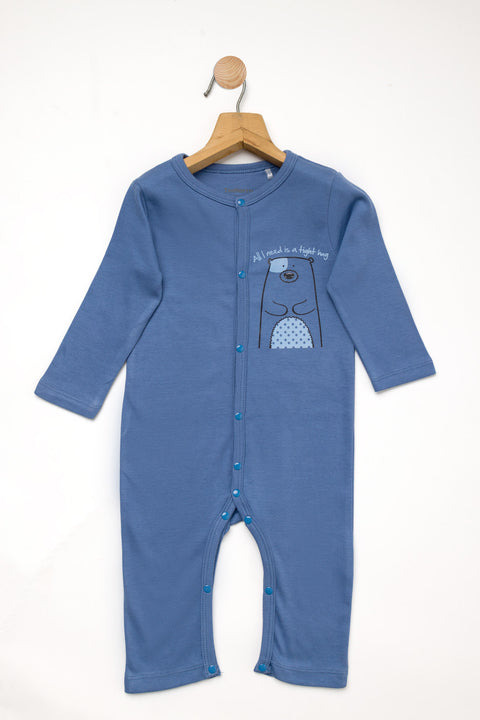
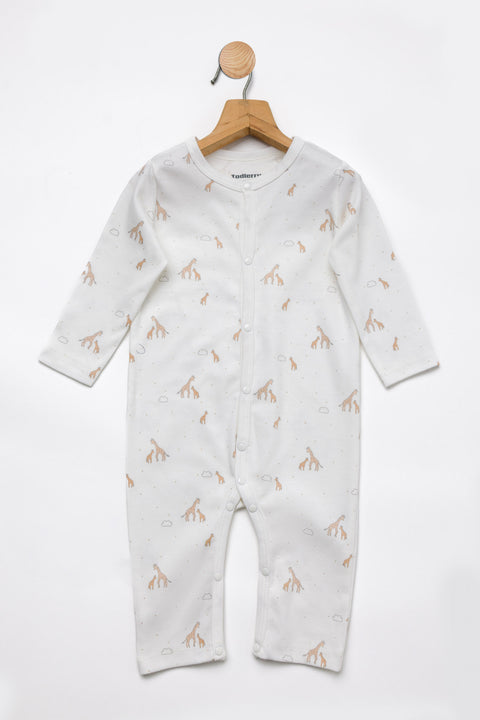
For everyday use, soft rompers for Indian newborns in breathable cotton are among the most practical choices, combining comfort with easy snap closures that make diaper changes less stressful.
3. Cotton Pajama Sets
Soft pajama sets help babies stay comfortable throughout the day and night.
Look for:
- Elastic-free waistbands
- Stretchable fabric
- Lightweight cotton
4. Mittens, Caps, and Booties
These small essentials help regulate warmth, especially during cooler months or air-conditioned environments.
Important:
Avoid overly tight accessories that restrict circulation.
5. Swaddles and Wrappers
Swaddling helps newborns sleep better by recreating a womb-like feeling.
Ideal materials:
- Muslin cotton
- Organic cotton
- Lightweight breathable fabric
Best Fabrics for Newborn Indian Clothes
Fabric quality directly affects a baby’s comfort. Since newborn babies wear clothes almost continuously, choosing breathable and gentle materials becomes essential.
Why Cotton Is the Best Choice
Cotton remains the preferred fabric for newborn Indian clothes because it is:
|
Benefit |
Why It Matters |
|
Breathable |
Prevents overheating |
|
Soft |
Reduces skin irritation |
|
Absorbent |
Handles sweat in humid weather |
|
Lightweight |
Keeps babies comfortable |
|
Easy to wash |
Important for daily use |
Pure cotton works particularly well in Indian summers and humid conditions.
Organic Cotton vs Regular Cotton
Many parents now prefer organic cotton because it is produced with fewer chemicals and dyes.
Organic cotton benefits:
- Gentler on sensitive skin
- Reduced chemical exposure
- Softer texture
- Environmentally friendlier
While organic cotton can cost more, many parents consider it worthwhile for newborn essentials.
Fabrics to Avoid
Avoid fabrics that trap heat or irritate skin.
Common fabrics to avoid:
- Polyester-heavy blends
- Rough wool directly on skin
- Thick synthetic fabrics
- Non-breathable materials
Dressing Newborns According to Indian Seasons
India experiences diverse weather conditions throughout the year. Dressing babies according to seasonal temperatures helps maintain comfort and prevents overheating or excessive cold exposure.
Summer Clothing Tips for Babies
Indian summers can be extremely hot and humid.
Best practices:
- Use lightweight cotton clothing
- Avoid overdressing
- Keep layers minimal
- Use sleeveless or short-sleeve jhablas indoors
Summer essentials:
- Cotton rompers
- Muslin swaddles
- Thin caps for outdoor use
Monsoon Dressing Essentials
Humidity during monsoon season can make babies uncomfortable.
Helpful tips:
- Change clothes frequently
- Keep extra clothing ready
- Use moisture-absorbing fabrics
- Avoid damp clothing
Quick-drying cotton blends work well during monsoon months.
Winter Layering for Newborns
Winter dressing should focus on layering rather than bulky outfits.
Smart layering method:
- Cotton inner layer
- Soft middle layer
- Lightweight outer layer
This keeps babies warm without overheating.
Traditional Newborn Indian Clothes and Their Cultural Importance
Traditional baby clothing continues to hold emotional and cultural value in Indian families.
Popular Traditional Styles
- Jhablas: Still widely used for daily wear.
- Angrakha-Style Tops: Traditional wrap-style tops designed for comfort and ease.
- Kurta Pajama Sets: Common during naming ceremonies, festivals, and family events.
Modern Parents Prefer Comfort + Tradition
Today’s parents increasingly look for outfits that combine:
- Traditional aesthetics
- Soft fabrics
- Easy wearability
- Practical functionality
Comfort now matters just as much as appearance.
Common Mistakes Parents Make While Buying Newborn Indian Clothes
Many parents unknowingly buy clothes that look cute but are impractical.
1. Buying Too Many Newborn Sizes
Babies outgrow newborn sizes very quickly.
Better approach: Buy limited newborn sizes and more 0–3 month clothing. A well-stocked selection of clothing essentials for 0-3 month babies ensures you have the right fits ready without spending unnecessarily on sizes your baby will quickly grow out of.
2. Prioritizing Style Over Comfort
Fancy outfits may include:
- Rough embroidery
- Heavy fabrics
- Tight fittings
These can make babies uncomfortable.
3. Choosing Synthetic Fabrics
Synthetic fabrics trap heat and increase sweating, especially in Indian weather.
4. Ignoring Seasonal Needs
Clothing should always match:
- Weather
- Humidity
- Room temperature
5. Buying Complicated Outfits
Multiple buttons, difficult neck openings, and stiff fabrics make dressing stressful for both parents and babies.
Practical Newborn Clothing Checklist
A simple and functional wardrobe is usually enough during the newborn stage.
Recommended essentials include:
- 6 to 8 jhablas
- 5 to 7 rompers
- 4 to 6 pajama sets
- 3 to 4 swaddles
- 2 to 3 caps
- 3 pairs of mittens
- 3 pairs of socks or booties
Parents should prioritize comfort and daily usability instead of excessive shopping.
How to Wash and Care for Newborn Indian Clothes
Newborn clothing requires proper hygiene because babies have sensitive skin and lower immunity.
Important clothing care tips include:
- Wash all new clothes before first use
- Use mild baby detergent
- Avoid strong fragrances
- Dry clothes properly in the sunlight
- Store baby clothes in clean spaces
- Separate baby laundry whenever possible
Gentle washing practices help maintain fabric softness and hygiene.
What Parents Should Look for While Shopping Online
Online shopping gives parents access to a wider range of newborn Indian clothes, but careful selection remains important.
Before purchasing babywear online, parents should check:
- Fabric composition
- Stitch quality
- Washing instructions
- Easy closure designs
- Size charts
- Brand transparency
- Product reviews
Trusted babywear brands usually focus on comfort based designs suitable for Indian weather conditions.
Why Soft Cotton Newborn Wear Remains the Preferred Choice
Soft cotton newborn clothing continues to dominate the Indian babywear market because it balances:
- Comfort
- Breathability
- Easy maintenance
- Durability
- Skin safety
Parents today are increasingly choosing babywear that supports everyday comfort instead of purely decorative fashion. For parents who want to go deeper into making the right purchasing decisions, reading up on tips for buying safe infant clothes in India can help avoid common fabric and sizing mistakes that many first-time buyers make.
Final Thoughts
Choosing the right newborn Indian clothes is ultimately about comfort, practicality, and skin safety. While adorable designs and festive outfits can be tempting, newborns benefit most from soft, breathable, weather-appropriate clothing that allows them to move and rest comfortably.
Indian parents today are becoming more mindful of fabric quality, climate suitability, and comfort-focused babywear. Whether you prefer traditional jhablas or modern rompers, the goal remains the same: keeping your baby safe, comfortable, and happy throughout the day.
Choose Comfortable & Safe Newborn Indian Clothes with Todlerry
Parents searching for thoughtfully designed newborn Indian clothes often look for three things: softness, breathability, and comfort that works for everyday life. Todlerry focuses on creating baby clothing that prioritizes gentle fabrics, practical designs, and all-day comfort for newborns and young children.
From soft cotton jhablas and rompers to cozy everyday essentials, Todlerry’s collections are designed to support modern Indian parenting needs while keeping babies comfortable in every season.
If you are building your baby's first wardrobe or searching for practical newborn essentials, explore complete newborn clothing sets for baby boys at Todlerry thoughtfully designed for Indian babies and crafted to keep your little one comfortable from the very first day.
Frequently Asked Questions
Q1. How many newborn Indian clothes should parents buy initially?
Parents should start with a practical quantity of essentials rather than excessive shopping. Around 6–8 jhablas, 5–7 rompers, a few pajama sets, and swaddles are usually enough for the first few weeks.
Q2. Can newborns wear synthetic fabrics in India?
Synthetic fabrics are generally not recommended for daily newborn wear, especially in Indian weather. They trap heat, reduce airflow, and may irritate sensitive skin.
Q3. Is cotton the best fabric for newborn Indian clothes?
Yes, cotton is widely considered the best fabric because it is breathable, soft, lightweight, and suitable for India’s climate.
Q4. Will overdressing a newborn cause discomfort?
Yes, overdressing can lead to overheating, sweating, rashes, and disturbed sleep. Babies usually need only one additional layer compared to adults.
Q5. What are the most essential newborn clothes for Indian babies?
The most useful essentials include Jhablas, Cotton rompers, Pajama sets, Swaddles, Mittens, Caps and Socks
Q6. Why are jhablas still popular for newborns?
Jhablas remain popular because they are lightweight, breathable, easy to wear, and ideal for Indian weather conditions.
Q7. How should newborns be dressed during Indian summers?
Newborns should wear loose, lightweight cotton clothing with minimal layering during summer to avoid overheating.
Q8. Can newborn Indian clothes be machine washed?
Yes, most cotton newborn clothes can be machine washed using mild detergent and gentle cycles. However, delicate fabrics may benefit from hand washing.