Why is baby skin sensitive to clothes? Baby skin is thinner and has a developing protective barrier, making it more vulnerable to friction, heat, synthetic fabrics, and harsh chemicals. Can the right clothing help? Yes. Choosing soft, breathable cotton clothing and washing new garments before use can help reduce irritation and keep your baby's skin comfortable.
Why is baby skin sensitive to clothes? Baby skin is naturally thinner, more delicate, and less resistant to irritants than adult skin, making fabric choice an important part of everyday care. At Todlerry, we believe that thoughtfully designed, soft cotton clothing can help parents provide the comfort and gentleness their little ones deserve from day one.
Why Is Baby Skin Sensitive to Clothes?
One of the most common concerns new parents have is why is baby skin sensitive to clothes. It's not simply because babies have delicate skin, it is because their skin is still developing and doesn't provide the same level of protection as adult skin.
During the first few years of life, a baby's skin barrier is thinner and loses moisture more easily. As a result, everyday irritants like rough fabrics, trapped sweat, laundry detergent residue, and synthetic fibres can sometimes lead to redness, dryness, or mild irritation.
Understanding why is baby skin sensitive to clothes helps parents make informed decisions about clothing, washing habits, and fabric choices that support their baby's comfort. For a detailed overview of which materials work best, this guide on what fabrics are safe for baby skin walks through the most skin-friendly options available for newborns and infants.
Baby Skin Is Much Thinner Than Adult Skin
A baby's skin is significantly thinner than an adult's, which means it is more prone to friction and environmental irritants.
Even gentle rubbing from stiff seams, tight elastics, or rough materials may cause discomfort. Since babies spend most of their day in clothing, choosing soft fabrics becomes especially important.
An Immature Skin Barrier Needs Extra Care
The skin's natural barrier protects against bacteria, allergens, and moisture loss. In infants, this protective layer is still developing.
This explains why is baby skin sensitive to clothes, especially during the first few months. Their skin absorbs moisture and external irritants more easily, making gentle fabrics and proper skincare essential.
Common Reasons Clothes Can Irritate Baby Skin
Not every rash is caused by clothing, but certain materials and clothing habits can increase the likelihood of skin irritation.
Rough or Synthetic Fabrics
Synthetic fabrics such as polyester, nylon, and acrylic may trap heat and moisture against the skin. These materials are generally less breathable than natural fibres and may increase sweating, which can contribute to discomfort.
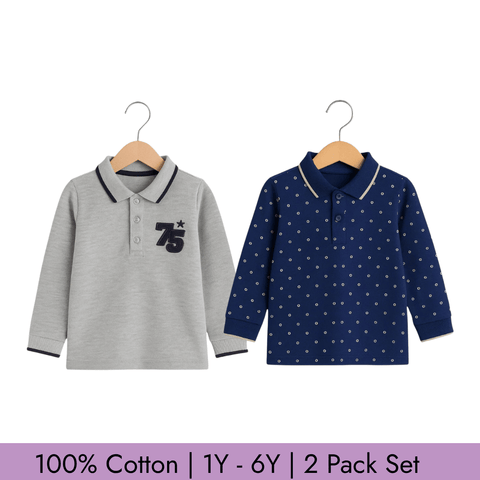
Soft cotton fabrics, on the other hand, allow better airflow and help maintain a comfortable body temperature. Everyday essentials like a cotton shirt for boys are a good example of how natural fibres keep children cooler and more comfortable throughout the day.
Chemical Dyes and Fabric Finishes
New clothes sometimes contain dyes, finishing agents, or manufacturing residues. These substances can remain on garments until they are washed.
Washing new baby clothes before first use helps remove residual chemicals and makes the fabric softer for delicate skin.
Tight-Fitting Clothes
Clothing that is too tight can rub continuously against areas like the neck, underarms, waistband, and diaper region. Constant friction may result in redness or irritation.
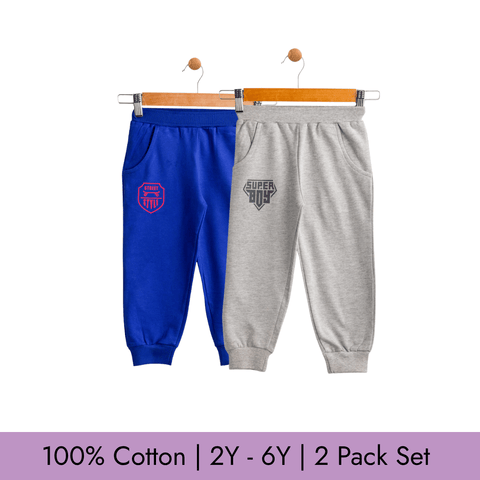
Choosing comfortable, well-fitted clothing allows babies to move freely while reducing unnecessary rubbing. Relaxed options like cotton joggers for boys are a practical example of how comfortable fits reduce friction while supporting active movement.
Sweat and Heat Build-Up
Babies are less efficient at regulating body temperature than adults. Overdressing or using thick fabrics can trap heat and sweat, increasing the risk of heat rash.
Lightweight, breathable clothing is often the best choice, particularly during warmer months.
Harsh Laundry Products
Strong detergents, artificial fragrances, bleach, and fabric softeners may leave residues on clothing. For babies with delicate skin, these residues may contribute to irritation.
Using mild, baby-friendly detergents and an extra rinse cycle can help minimise residue.
Signs That Your Baby's Clothes May Be Causing Skin Irritation
Recognising early signs can help prevent further discomfort.
Common symptoms include:
- Red patches where clothing touches the skin
- Tiny bumps or heat rash
- Dry, flaky skin
- Frequent scratching or rubbing
- Irritation around the neck, wrists, ankles, or waist
- Increased fussiness after wearing certain outfits
If these symptoms improve after changing clothing or fabrics, clothing may be contributing to the irritation.
Best Fabrics for Babies With Sensitive Skin
Choosing suitable fabrics is one of the easiest ways to protect delicate skin.
100% Cotton
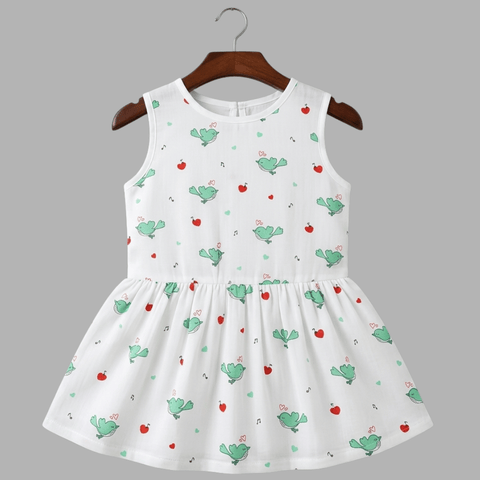
Cotton is naturally soft, breathable, and gentle against sensitive skin. It allows air circulation while helping absorb moisture, making it ideal for everyday wear. Soft cotton options like frocks for kids girls combine breathability with ease of movement, making them a popular everyday choice for young children.
Organic Cotton
Organic cotton is grown without many conventional chemical treatments and is often chosen by parents looking for naturally gentle fabrics.
Muslin Cotton
Muslin cotton is lightweight, airy, and especially comfortable in warm weather. Its breathable weave helps reduce overheating while remaining soft on delicate skin.
Fabrics That May Cause Discomfort
Every baby is different, but some fabrics may be less suitable for sensitive skin.
These include:
- Polyester
- Acrylic
- Heavy synthetic blends
- Stiff denim
- Wool for babies with very sensitive skin
These materials may retain heat or create additional friction compared to soft natural fibres.
How to Prevent Clothing-Related Skin Irritation
Understanding why is baby skin sensitive to clothes also means knowing how to minimise irritation through everyday care.
- Wash New Clothes Before First Use: Always wash new baby clothes before dressing your child. This helps remove manufacturing residues and softens the fabric.
- Choose Mild Laundry Detergent: Use fragrance-free or baby-friendly detergents that rinse clean without leaving heavy residues.
- Dress Your Baby Comfortably: Loose-fitting clothes improve airflow and reduce friction. Avoid overdressing, especially during warmer weather.
-
Change Damp Clothing Promptly: Wet clothing from sweat or spills should be changed as soon as possible to help keep the skin dry and comfortable. Comfortable nightwear like night suit for kids girls made from breathable cotton makes overnight dressing changes quick and easy while keeping skin cool and dry.
How to Choose Clothes for Babies With Sensitive Skin
If you've ever wondered why is baby skin sensitive to clothes, choosing the right clothing is one of the most practical ways to reduce everyday irritation.
When shopping for baby clothes, look for:
- 100% cotton fabrics
- Breathable materials
- Soft seams
- Comfortable necklines
- Tag-free or minimal-tag designs
- Lightweight clothing suited to the season
- Easy movement without tight elastic bands
Comfort should always come before fashion during your baby's early years. For parents shopping online, this practical guide to top 10 tips for safe and smart infant clothes online shopping covers everything from checking fabric details to identifying trusted sellers.
When Should You Consult a Doctor?
While clothing-related irritation is often mild, medical advice is recommended if your baby has:
- A rash lasting several days
- Blisters or oozing skin
- Fever along with a rash
- Severe swelling
- Persistent itching
- Symptoms that worsen despite changing fabrics and clothing
A healthcare professional can determine whether the rash is related to eczema, infection, allergies, or another underlying condition.
Why Parents Trust Soft Cotton Clothing for Everyday Comfort
Parents today look beyond attractive designs, they want clothing that supports their baby's everyday comfort.
At Todlerry, every collection is thoughtfully created with growing babies in mind. Our 100% cotton baby clothing is designed to be soft, breathable, lightweight, and comfortable for everyday adventures. From newborn essentials to playful everyday outfits, each piece is crafted to allow easy movement while helping keep delicate skin comfortable throughout the day. Parents who want additional guidance before buying can also find helpful advice in this complete guide on how to choose soft and safe infant clothes in India.
Because when parents understand why is baby skin sensitive to clothes, they also understand the value of choosing clothing made with care, quality, and comfort.
Conclusion
Knowing why is baby skin sensitive to clothes helps parents make small choices that can have a big impact on their baby's daily comfort. Soft fabrics, breathable clothing, gentle laundry care, and well-fitting outfits all contribute to healthier skin and happier little ones.
At Todlerry, we believe every baby deserves clothing that's as gentle as the love they receive. Our carefully crafted 100% cotton collection combines comfort, quality, and timeless style to support your baby's everyday journey, from peaceful naps to playful first steps. Explore Todlerry's range of thoughtfully designed babywear and give your little one the softness they deserve every single day.
Frequently Asked Questions
Q1. How can I tell if my baby's clothes are causing skin irritation?
Look for redness, small bumps, itching, or rashes that appear where clothing touches the skin. If symptoms improve after changing fabrics or outfits, clothing may be contributing to the irritation.
Q2. Can new baby clothes cause skin irritation?
Yes. New clothes may contain dyes, finishing chemicals, or dust from manufacturing. Washing garments before first use helps remove these residues.
Q3. Is cotton the best fabric for sensitive baby skin?
Cotton is widely preferred because it is soft, breathable, and gentle on delicate skin. Many parents choose 100% cotton for everyday baby clothing.
Q4. Will washing baby clothes before wearing them prevent rashes?
Washing new clothes can reduce chemical residues and soften fabrics, helping lower the chance of mild clothing-related irritation.
Q5. What fabrics should babies with sensitive skin avoid?
Some babies may be more comfortable avoiding rough synthetic fabrics like polyester, acrylic, and heavy blends, which can trap heat and increase friction.
Q6. What causes baby skin irritation from clothes?
Common causes include rough fabrics, tight clothing, trapped sweat, harsh detergents, chemical finishes, and friction against delicate skin.
Q7. Why is baby skin sensitive to clothes compared to adult skin?
A baby's skin is thinner and its protective barrier is still developing, making it more vulnerable to friction, heat, moisture, and external irritants.
Q8. Why does my baby get rashes only where clothes touch the skin?
This often happens because of repeated friction, trapped sweat, tight elastic, or sensitivity to certain fabrics or detergent residues that come into direct contact with the skin.