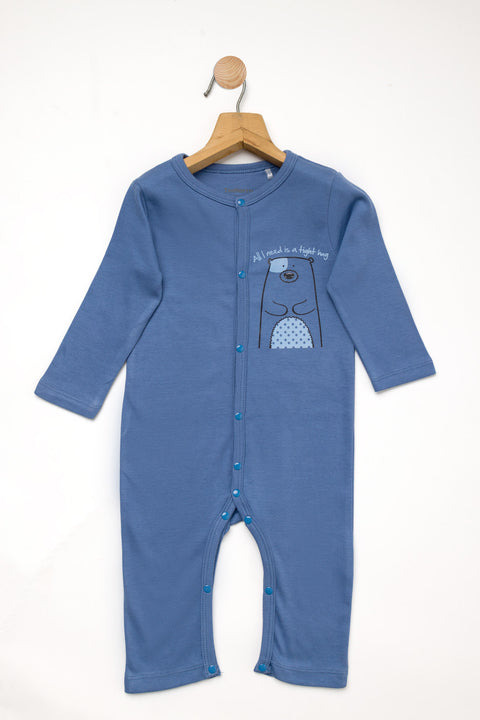
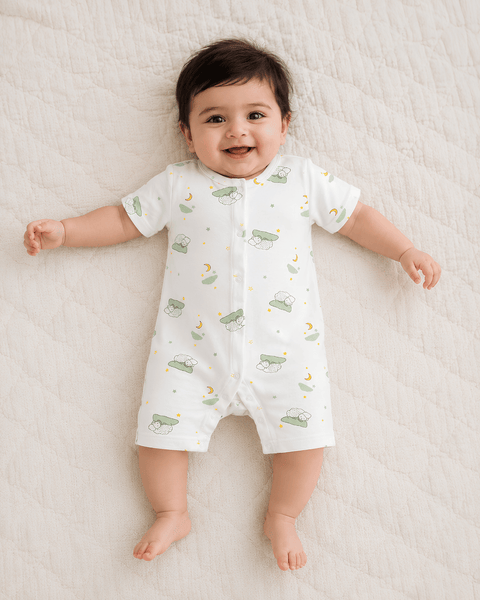
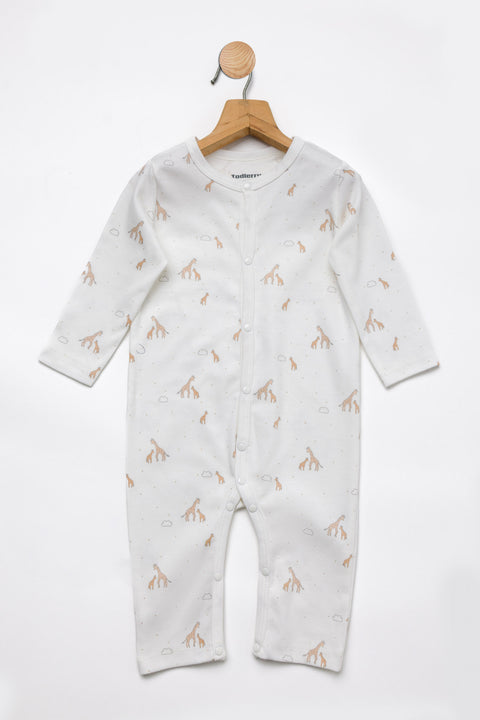
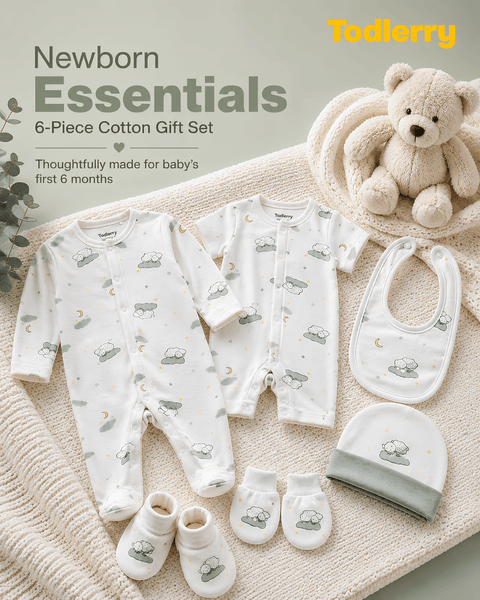
Kids outgrow clothes quickly because their bodies grow at a rapid pace, especially during infancy and toddlerhood. In the first year alone, babies can double or even triple their birth weight and grow several inches in length. Growth spurts, changing body proportions, and inconsistent clothing sizes all contribute to frequent wardrobe updates.
If you've ever wondered why do kids outgrow clothes so fast, you're certainly not alone. Most parents find themselves replacing outfits far more often than expected during the early years. The simple answer is that children experience rapid physical growth, particularly in the first two years of life. At Todlerry, we understand how challenging it can be to keep up with these changes while ensuring your child remains comfortable, active, and well-dressed.
How Fast Do Babies Grow Out of Clothes?
One of the biggest reasons parents search for answers about why do kids outgrow clothes so fast is because baby clothing often seems to become too small almost overnight. Parents who shop early often start with newborn baby boy clothes only to find those pieces outgrown within weeks.
The First Year Is the Fastest Growth Period
The first twelve months represent the most dramatic period of growth in a child's life.
- Newborns typically gain weight rapidly during the first few months.
- Most babies outgrow newborn clothing within just a few weeks.
- By their first birthday, babies usually triple their birth weight.
- Height increases significantly during the first year.
This remarkable baby clothing growth rate explains why parents often need multiple size upgrades during infancy.
Growth Slows After Age Two
While growth continues throughout childhood, the pace becomes more predictable after age two.
Toddlers generally gain:
- 2–3 inches in height annually
- 4–6 pounds per year
Although children continue growing steadily, the frequency of clothing replacements decreases compared to infancy.
Every Child Grows Differently
There is no universal growth timeline.
Several factors influence growth, including:
- Genetics
- Nutrition
- Sleep quality
- Physical activity
- Individual growth patterns
This is another important reason why do kids outgrow clothes so fast varies from one family to another.
Understanding Baby Clothing Growth Rate by Age
Knowing what to expect at different stages can help parents shop more strategically.
Newborn Stage (0–3 Months)
Many parents purchase large amounts of newborn clothing before birth. However, some babies skip newborn sizes entirely. Reading up on newborn Indian clothes can help parents understand traditional sizing and styling options that offer a little extra room for early growth.
Common observations:
- Newborn sizes may fit for only 2–8 weeks.
- Larger babies may immediately require 0–3 month clothing.
- Rapid weight gain quickly affects fit.
Infant Stage (3–12 Months)
This period often requires the most wardrobe changes.
Typical size progression:
- 0–3 Months
- 3–6 Months
- 6–9 Months
- 9–12 Months
Many babies move through these sizes faster than the labels suggest. Stocking up on baby boy clothes 3 6 months in advance is a practical approach for this particularly fast-moving stage.
Toddler Years (1–4 Years)
Growth becomes steadier but remains noticeable.
Parents commonly encounter:
- Shorter pant lengths
- Tight waistbands
- Short sleeves
- Reduced mobility in clothing
These are clear examples of ongoing kids clothing size changes. Many parents find that baby boy clothes 2 3 years offer slightly more generous fits that accommodate the natural changes happening during this stage.
School-Age Children
Growth patterns become more gradual, although periodic growth spurts still occur.
Seasonal shopping often becomes easier because children remain in sizes longer than infants and toddlers.
Why Do Kids Outgrow Clothes Faster Than Adults?
Understanding the science behind growth helps answer the question: why do kids outgrow clothes so fast?
Rapid Bone and Muscle Development
Children are constantly building:
- Bone mass
- Muscle tissue
- Organ development
- Body proportions
Adults have largely completed these developmental processes, making clothing sizes more stable.
Growth Spurts Can Happen Suddenly
Parents often notice that clothing fits perfectly one week and feels tight the next.
Common signs of a growth spurt include:
- Increased appetite
- Longer sleep periods
- Growing pains
- Sudden height increases
Growth spurts are one of the primary reasons why do kids outgrow clothes so fast during childhood.
Clothing Sizes Are Not Standardized
Another overlooked factor is sizing inconsistency.
A 12-month outfit from one brand may fit very differently than a 12-month outfit from another.
As a result, parents often feel that children are growing faster than they actually are.
Seasonal Clothing Creates Additional Challenges
Winter coats, sweaters, and special occasion outfits may only be worn for a short period before becoming too small.
This contributes to the feeling that wardrobes need constant updating. Parents preparing for warmer weather can find helpful tips on how to dress baby girl in summer to make seasonal transitions smoother and more budget-friendly.
Common Signs Your Child Has Outgrown Their Clothes
Recognizing these signs early can help maintain comfort and mobility.
Tightness Around the Waist or Chest
Clothing should allow children to move freely without restriction.
Sleeves and Pants Become Too Short
Exposed wrists and ankles are among the most obvious indicators of growth.
Difficulty Moving Comfortably
If your child struggles to climb, crawl, run, or play comfortably, sizing may be the issue.
Increased Complaints About Comfort
Children often express discomfort through:
- Tugging at clothes
- Refusing certain outfits
- Complaining about tightness
Diaper Fit Problems
For babies, snaps pulling apart or bodysuits riding up are clear signs of size changes. Lightweight options like rompers for baby with adjustable snap closures are particularly helpful during this transitional period.
Kids Clothing Size Changes Explained
One reason parents frequently ask why do kids outgrow clothes so fast is because clothing labels can be confusing.
Age-Based Sizing Isn't Always Accurate
Children of the same age can have vastly different:
- Heights
- Weights
- Body shapes
For this reason, measurements are often more reliable than age labels.
Growth Charts vs Clothing Charts
Growth charts track physical development, while clothing charts estimate fit.
Parents should regularly compare both when shopping.
How Often Should You Recheck Sizes?
Recommended schedule:
- Newborns: Every 4–6 weeks
- Infants: Every 2–3 months
- Toddlers: Every 3–6 months
- Older children: Twice yearly
How to Make Children's Clothes Last Longer
Although no clothing can completely prevent growth, parents can extend wearability.
Buy Slightly Larger Sizes
Avoid oversized clothing, but allowing a little room for growth can maximize value.
Choose Adjustable Features
Look for:
- Elastic waistbands
- Stretch fabrics
- Adjustable straps
- Foldable cuffs
Prioritize Quality Construction
Well-made garments retain their shape better after repeated washing and wear. Parents who prefer the convenience of shopping from home will find infant online shopping guides especially useful for identifying quality brands and making informed size decisions.
Build a Practical Capsule Wardrobe
Fewer high-quality pieces often outperform larger collections of lower-quality clothing.
Sustainable Solutions for Growing Kids
Fast growth naturally leads to increased clothing consumption.
The Problem with Fast Fashion
Low-quality garments often:
- Wear out quickly
- Lose shape
- Create unnecessary waste
What Parents Should Look For
Prioritize:
- Breathable fabrics
- Durable stitching
- Comfortable fits
- Skin-friendly materials
Why Fabric Quality Matters
Soft, breathable cotton remains one of the most trusted options for children's clothing because it supports comfort throughout every stage of growth
Key Takeaways
If you've been wondering why do kids outgrow clothes so fast, the answer comes down to rapid physical development, growth spurts, changing body proportions, and inconsistent clothing sizing. Understanding your child's growth pattern and shopping strategically can help reduce frustration, save money, and ensure comfort throughout every stage of childhood.
Give Your Growing Child Comfort That Keeps Up
Children may outgrow their clothes quickly, but they should never outgrow comfort. At Todlerry, every piece is thoughtfully designed using soft, breathable, child-friendly fabrics that support active play, everyday adventures, and growing bodies. From newborn essentials to toddler favourites, our collections are created to combine comfort, durability, and timeless style for every stage of childhood.
Explore Todlerry's latest collection and discover clothing designed with growing children, and growing families, in mind.
Frequently Asked Questions
Q1. How quickly do babies outgrow newborn clothes?
Most babies outgrow newborn clothing within two to eight weeks, depending on birth weight and growth rate.
Q2. How can I make baby clothes last longer?
Choose slightly larger sizes, prioritize adjustable features, and invest in quality fabrics that maintain their shape over time.
Q3. Can babies skip clothing sizes?
Yes. Some babies grow so quickly that they move directly from newborn sizes to larger size ranges.
Q4. Can growth spurts make clothes suddenly feel small?
Absolutely. Growth spurts often occur rapidly, causing clothing that recently fit well to become tight within weeks.
Q5. Is it normal for kids to outgrow clothes every few months?
Yes. During infancy and toddlerhood, frequent size changes are completely normal.
Q6. Is buying bigger clothes a good idea?
Buying one size larger can be practical, provided the clothing still allows safe and comfortable movement.
Q7. What age do children stop growing out of clothes so fast?
Growth generally becomes more predictable after age two, although periodic growth spurts continue throughout childhood.
Q8. Why do clothing sizes vary between brands?
There is no universal sizing standard for children's clothing, which is why garments from different brands often fit differently despite having the same label.