What is GSM in clothing? GSM (Grams per Square Metre) measures the weight of a fabric, helping you understand its thickness, durability, and comfort. Does a higher GSM mean better quality? Not always it depends on the garment and its purpose. What is the best GSM for everyday wear? Lightweight to medium-weight fabrics are ideal for most daily clothing, especially in warm climates.
If you've ever wondered what is GSM in clothing, the answer is simple: it measures the weight of fabric per square metre and plays a key role in determining comfort, breathability, and durability. At Todlerry, we believe that understanding fabric quality helps you make smarter choices, especially when selecting soft, comfortable clothing for babies and children.
What Is GSM in Clothing?
To understand what is GSM in clothing, start with the meaning of the term itself. GSM stands for Grams per Square Metre, which indicates how much one square metre of fabric weighs. It is one of the most commonly used measurements in the textile industry to classify fabrics based on their weight.
A lower GSM usually represents lighter, more breathable fabrics, while a higher GSM indicates denser and heavier materials. However, GSM should never be viewed as the sole indicator of quality. The type of fibre, weave, and finish also influence how a fabric looks and performs.
For example:
- A 120 GSM cotton fabric is light and airy, making it suitable for summer wear.
- A 180 GSM cotton fabric offers a balance between comfort and durability for everyday clothing.
- A 320 GSM fabric is much heavier and commonly used for hoodies or winter garments.
Simply put, understanding what is GSM in clothing helps you choose garments that match your climate, activity, and comfort preferences.
Why Does GSM Matter in Clothing?
GSM affects much more than the weight of a garment. It influences how clothing feels, performs, and lasts over time.
- Comfort: Lightweight fabrics allow better airflow, keeping you cool and comfortable throughout the day. This makes them ideal for hot and humid weather.
- Durability: Higher GSM fabrics generally withstand regular washing and daily wear better because they contain more fibres per square metre.
- Seasonal Suitability: The right GSM ensures your clothing is suitable for the weather. Lightweight fabrics work well during summer, while heavier fabrics provide warmth during colder months.
- Appearance: Fabric weight also affects how a garment drapes on the body. Lightweight fabrics create a flowy silhouette, while heavier fabrics offer more structure.
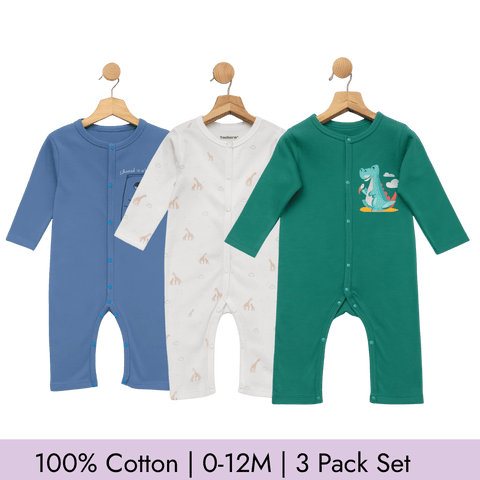
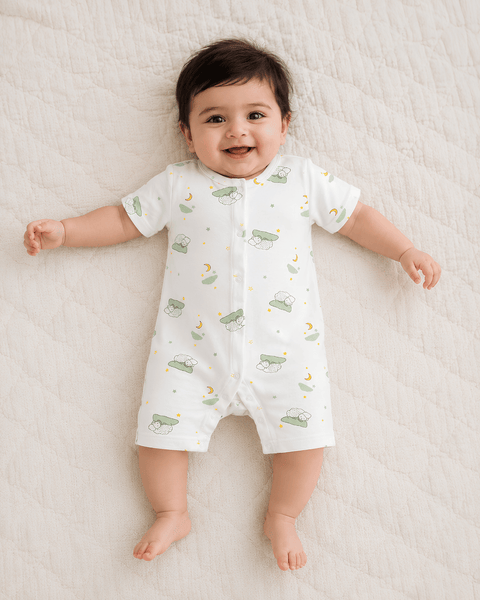
For example, rompers for baby typically fall within this lightweight range, making them a go-to choice for keeping infants comfortable in warmer months.
Understanding GSM Ranges
Different garments require different fabric weights depending on their purpose.
Lightweight Fabrics (80–150 GSM)
These fabrics are soft, breathable, and perfect for warm weather.
Ideal for:
- Baby clothing
- Summer dresses
- Cotton shirts
- Muslin wraps
- Lightweight pyjamas
Medium Weight Fabrics (150–250 GSM)
This range offers the perfect balance of softness and durability.
Suitable for:
- Everyday T-shirts
- Kids' clothing
- Casual dresses
- Co-ord sets
- School uniforms
Well-fitted printed t shirts for boys are a great example of medium-weight everyday wear that balances breathability with durability for active children.
Heavyweight Fabrics (250 GSM and Above)
These fabrics provide warmth and structure.
Commonly used for:
- Hoodies
- Sweatshirts
- Winter jackets
- Denim
- Outerwear
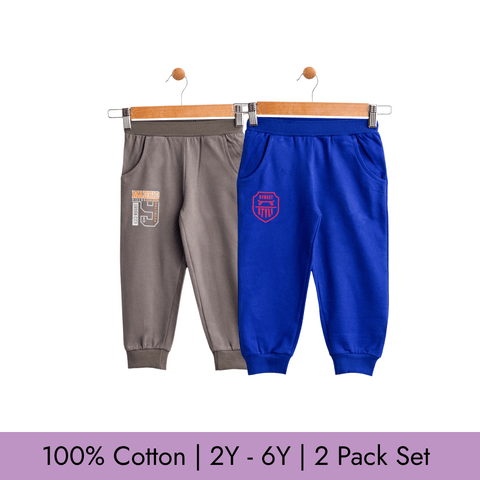
Heavier options like cotton joggers for boys sit at the higher end of this range, offering the structure and warmth needed for cooler evenings and outdoor play.
GSM Chart for Different Types of Clothing
|
Garment |
Recommended GSM |
|
Newborn Clothing |
100–140 GSM |
|
Muslin Baby Wraps |
90–120 GSM |
|
Baby Rompers |
120–160 GSM |
|
Kids' T-Shirts |
150–180 GSM |
|
Cotton Shirts |
120–160 GSM |
|
Dresses |
130–180 GSM |
|
Pyjama Sets |
140–180 GSM |
|
Jeans |
250–400 GSM |
|
Hoodies |
280–350 GSM |
|
Sweatshirts |
280–340 GSM |
|
Winter Jackets |
350 GSM+ |
These ranges may vary depending on the fibre blend and intended use. Parents shopping for Newborn Indian Clothes will find that most traditional garments are designed within the 100–140 GSM range to keep newborns cool and comfortable in India's warm climate.
Does Higher GSM Mean Better Quality?
One of the biggest misconceptions about fabrics is that heavier always means better.
The truth is, what is GSM in clothing is only one part of the quality equation.
A lightweight linen shirt with a lower GSM can outperform a heavier synthetic shirt during summer because it offers superior breathability.
Similarly, a baby's cotton romper doesn't need the same GSM as a winter sweatshirt. Understanding the difference between garment types like Rompers vs Onesies helps parents choose the right fabric weight for the right garment. The best fabric is always the one that suits its purpose.
Quality depends on several factors:
- Fibre quality
- Fabric construction
- Weaving technique
- Finishing process
- Intended use
Choosing the right GSM for the garment matters far more than simply choosing the highest number.
Best GSM for Different Seasons
Summer
Recommended GSM: 90–160 GSM
These fabrics remain cool, breathable, and comfortable in hot weather.
Best fabrics include:
- Cotton
- Organic cotton
- Muslin
- Linen
Monsoon
Recommended GSM: 140–180 GSM
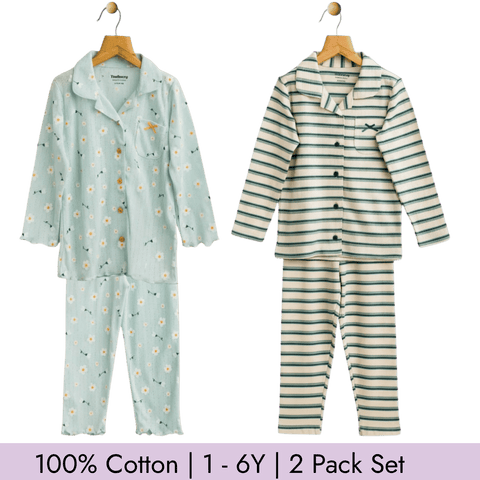
Slightly denser fabrics dry reasonably well while remaining comfortable. Lightweight pyjama options like summer night suits for girls typically fall within this range, making them a practical choice during humid monsoon evenings.
Winter
Recommended GSM: 250 GSM and above
Heavier fabrics help retain warmth and provide insulation.
Best GSM for Different Fabrics
Every fibre behaves differently, even at the same GSM.
- Cotton: Soft, breathable, and suitable for almost every season.
- Organic Cotton: Offers similar comfort while being produced using environmentally responsible farming methods.
- Muslin: Exceptionally lightweight and breathable, making it ideal for newborns and infants.
- Linen: Naturally airy with excellent moisture-wicking properties.
- Polyester: More durable and wrinkle-resistant but generally less breathable than natural fibres.
- Blended Fabrics: Combine the advantages of different fibres for improved comfort and durability.
How to Choose the Right GSM When Buying Clothes
If you're shopping for clothing, consider more than just the number on the label.
Ask yourself:
- What season will I wear this in?
- Will I wear it every day?
- Is breathability important?
- Do I need extra warmth?
- What fabric is used?
- How often will it be washed?
Understanding what is GSM in clothing allows you to answer these questions with confidence and choose garments that truly suit your lifestyle.
What Is the Ideal GSM for Kids' Clothing?
Children need fabrics that support movement, regulate temperature, and feel gentle against delicate skin.
For everyday kids' wear, lightweight to medium-weight cotton fabrics generally provide the ideal combination of softness, durability, and breathability.
At Todlerry, every collection is thoughtfully designed with children's comfort in mind. From premium cotton essentials to breathable muslin and organic cotton clothing, our garments are created to keep little ones comfortable throughout the day while remaining durable enough for everyday adventures. Parents who want a broader overview of what to look for when shopping online can find useful tips in this infant online shopping
Instead of focusing solely on numbers, parents should look for soft natural fabrics, quality stitching, and child-friendly construction alongside the right GSM.
Common GSM Myths You Should Stop Believing
Myth 1: Higher GSM Always Means Better Quality
Not true. The intended use of the garment is far more important.
Myth 2: Low GSM Means Poor Fabric
Many premium summer fabrics intentionally have lower GSM for maximum comfort.
Myth 3: GSM and Thickness Are the Same
Thickness depends on the weave, fibre type, and construction—not just fabric weight.
Myth 4: Every Garment Needs the Same GSM
A baby romper, office shirt, and hoodie all require different fabric weights. Choices like baby girl rompers are intentionally crafted at a lower GSM to keep infants comfortable, which is very different from what a winter hoodie requires.
Myth 5: Heavy Fabrics Always Last Longer
Fabric quality, fibre strength, and construction play equally important roles.
Conclusion
Understanding what is GSM in clothing empowers you to choose garments that match your comfort, climate, and lifestyle. Rather than assuming heavier fabrics are always better, consider the fabric type, intended use, and season. Whether you're shopping for everyday essentials or children's clothing, the right GSM ensures a better wearing experience, improved durability, and long-lasting comfort.
If you're looking for thoughtfully designed children's clothing made from soft, breathable fabrics, explore Todlerry's collection of premium cotton, organic cotton, and muslin essentials. Every piece is crafted with comfort, quality, and everyday practicality in mind, helping your little one stay comfortable from playtime to bedtime.
Frequently Asked Questions
Q1. How is GSM measured in clothing?
GSM is calculated by weighing one square metre of fabric. The higher the number, the heavier the fabric.
Q2. How do I choose the right GSM for everyday clothing?
Choose lightweight fabrics for hot weather, medium-weight fabrics for daily wear, and heavier fabrics for winter clothing.
Q3. Can a low GSM fabric still be high quality?
Yes. Many premium cotton, muslin, and linen fabrics have lower GSM because they are designed to maximise breathability and comfort.
Q4. Is 180 GSM good for T-shirts?
Yes. Around 180 GSM is widely considered an excellent balance of comfort, durability, and everyday wearability.
Q5. Is higher GSM always better?
No. The ideal GSM depends on the garment's purpose, season, and fabric composition rather than simply choosing the highest number.
Q6. Will GSM affect how comfortable clothing feels?
Yes. GSM influences breathability, warmth, softness, and how the fabric drapes, all of which contribute to overall comfort.
Q7. What is GSM in clothing?
GSM stands for Grams per Square Metre and measures the weight of a fabric. It helps determine whether a fabric is lightweight, medium weight, or heavyweight.
Q8. Why does GSM matter when buying clothes?
GSM helps you choose clothing suited to different weather conditions, activities, and comfort preferences while giving you a better understanding of fabric performance and durability.