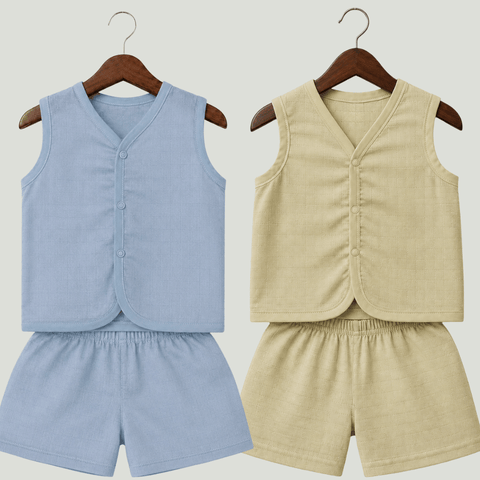
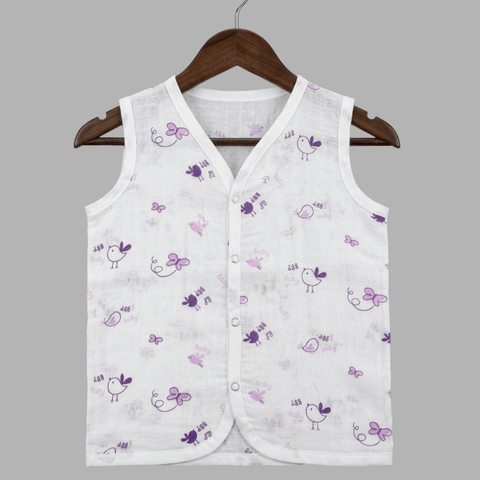
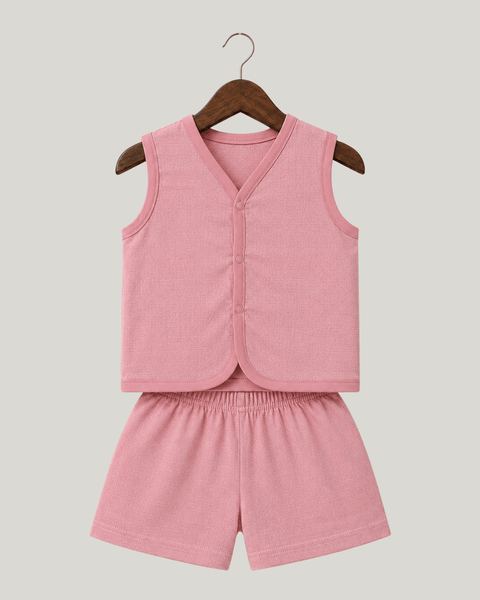
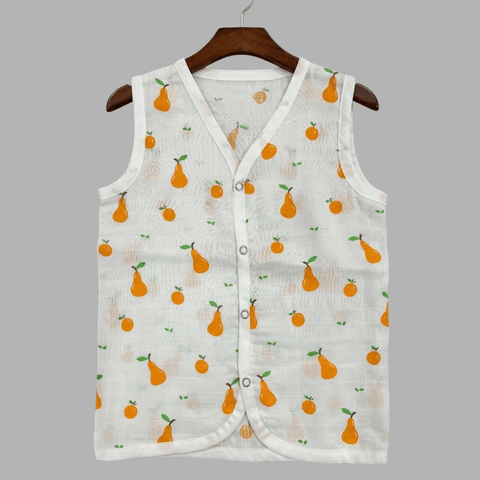
A jhabla is a loose-fitting, front-open baby garment traditionally worn by newborns and infants in India. Designed for comfort, breathability, and easy dressing, jhablas are typically made from soft cotton or muslin fabrics. They help keep babies comfortable in warm weather and are considered one of the most practical clothing essentials for newborns.
If you're wondering what is a jhabla, you're not alone. Many first-time parents come across this term while shopping for newborn clothes. A jhabla is a traditional baby garment designed for comfort, easy movement, and hassle-free dressing. At Todlerry, we understand how important comfortable clothing is during a baby's first months, which is why jhablas continue to be a favourite among modern parents.
What Is a Jhabla?
The simple answer to what is a jhabla is that it is a lightweight, loose-fitting top designed specifically for newborn babies and infants. Traditionally worn across Indian households, jhablas are known for their practical design and soft fabrics that keep babies comfortable throughout the day.
Unlike regular baby t-shirts that need to be pulled over the head, most jhablas feature front-open buttons, ties, or snaps. This makes dressing and undressing significantly easier, especially during the newborn stage.
Jhabla Meaning Explained
The term "jhabla" refers to a traditional infant garment commonly used in India. The design focuses on functionality rather than fashion, making it one of the most practical clothing choices for newborns.
When parents search for jhabla meaning, they are usually looking for a garment that combines comfort, breathability, and convenience—all of which a well-designed jhabla provides.
Why Is It Called a Jhabla?
While the exact origin of the word varies regionally, the term has been used for generations to describe loose baby tops that allow infants to move freely while staying cool and comfortable.
What Age Can Babies Wear a Jhabla?
Jhablas are suitable for:
- Newborn babies
- 0–3 months
- 3–6 months
- 6–12 months
Many parents continue using jhablas well beyond the newborn stage because of their comfort and versatility.
The History of Jhablas in India
Long before modern babywear brands became popular, Indian parents relied on simple cotton garments designed for practicality.
Traditional Baby Clothes India Has Trusted for Generations
Among all traditional baby clothes India has embraced over the years, jhablas remain one of the most enduring choices. Made from breathable fabrics and easy-to-wear designs, they perfectly suited India's climate and newborn care practices.
Grandparents often recommend jhablas because they have stood the test of time and continue to meet the needs of growing babies.
Why Jhablas Are Still Popular Today
Even with the availability of modern babywear, parents continue choosing jhablas because they offer:
- Exceptional comfort
- Breathable fabrics
- Easy dressing
- Freedom of movement
- Practical everyday wear
Why Jhablas Are Perfect for Newborn Babies
Understanding what is a jhabla becomes easier when you look at the benefits it offers newborns.
Gentle on Delicate Newborn Skin
Newborn skin is highly sensitive. Soft cotton and muslin fabrics help reduce irritation and allow the skin to breathe naturally.
Easy Dressing Without Pulling Over the Head
One of the biggest challenges for new parents is changing clothes several times a day. Front-open jhablas eliminate the need to pull garments over a baby's head.
Breathable for Indian Weather
India's warm climate makes breathable clothing essential. Jhablas promote airflow and help babies stay comfortable even during hotter months.
Allows Free Movement
Babies spend most of their day sleeping, stretching, kicking, and moving. A loose-fitting jhabla supports natural movement without restriction.
Jhabla for Newborn Explained: Key Features to Look For
If you're searching for a jhabla for newborn explained guide, these are the features that matter most.
Soft, Breathable Fabrics
Choose fabrics such as:
- Cotton
- Muslin cotton
- Organic cotton
These materials help regulate body temperature and provide all-day comfort.
Front-Open Closures
Buttons, snaps, or tie-up designs make clothing changes quicker and less stressful.
Comfortable Fit
A newborn's clothing should never feel restrictive. A slightly relaxed fit allows better movement and comfort.
Safe Construction
Look for:
- Soft seams
- Skin-friendly fabrics
- Non-irritating labels
- Baby-safe stitching
Cotton vs Muslin Jhablas: Which Is Better?
Parents often ask which fabric works best.
Benefits of Cotton Jhablas
Cotton jhablas offer:
- Everyday comfort
- Durability
- Easy maintenance
- Softness against sensitive skin
Benefits of Muslin Jhablas
Muslin provides:
- Lightweight feel
- Superior breathability
- Quick drying
- Excellent airflow
Which Fabric Should You Choose?
Both fabrics work well. Cotton is ideal for everyday use, while muslin is particularly helpful during warmer weather due to its breathable nature. If you're also exploring what is loungewear for babies, understanding fabric types is a great starting point.
How Many Jhablas Does a Newborn Need?
Since newborns require frequent clothing changes, most parents find that having several jhablas on hand is practical.
A basic newborn wardrobe may include:
- 6–8 everyday jhablas
- 2–4 sleepwear options
- Extra pieces for outings
The exact number depends on your laundry schedule and seasonal needs.
How to Choose the Right Jhabla Size
Choosing the correct size ensures maximum comfort.
Newborn Size
Suitable for birth to approximately 3.5 kg.
0–3 Months
Allows room for rapid growth during the first few months.
3–6 Months
Provides a comfortable fit as babies become more active.
Common Sizing Mistakes
Avoid:
- Buying overly tight garments
- Choosing rough fabrics
- Ignoring growth allowances
How to Wash and Care for Baby Jhablas
Proper care helps maintain softness and durability.
Washing Tips
- Wash before first use
- Use gentle baby-safe detergents
- Separate baby clothing from heavily soiled garments
Avoid Harsh Chemicals
Strong detergents and fabric softeners may irritate sensitive skin.
Maintain Fabric Softness
Air drying and gentle washing help preserve the quality of cotton and muslin fabrics.
Why Modern Parents Are Choosing Todlerry Jhablas
As parents become increasingly focused on comfort and quality, thoughtfully designed babywear has become more important than ever.
Todlerry's collection of newborn jhablas combines traditional comfort with modern practicality. Crafted from soft cotton fabrics and designed with easy front-open closures, these garments make everyday dressing simpler for parents while keeping babies comfortable.
Parents particularly appreciate:
- Soft cotton comfort
- Breathable everyday fabrics
- Front-open convenience
- Adorable prints and patterns
- Comfortable fit for growing babies
Whether it's naptime, playtime, or cuddle time, Todlerry jhablas are designed to support your baby's daily routine without compromising on comfort. For girls, pairing jhablas with a soft cotton night suit for girl makes for a complete and comfortable daily wardrobe.
What Is a Jhabla and Why Is It Still a Newborn Essential?
By now, the answer to what is a jhabla should be clear. It is one of the most practical, comfortable, and parent-friendly garments available for newborns.
Its timeless design, breathable fabrics, and ease of use explain why generations of Indian families continue to trust jhablas as an essential part of a baby's wardrobe. As the weather gets warmer, many parents also look for summer night suits for girls to complement their baby's everyday clothing.
For parents looking for comfort-first clothing during the early months, understanding what is a jhabla can make shopping decisions much easier. Whether you're building a newborn wardrobe or preparing for a baby shower gift, a quality jhabla remains a smart and reliable choice.
Discover Comfortable Jhablas for Your Little One
Your baby's first wardrobe should focus on comfort, softness, and ease of use. Todlerry's collection of thoughtfully designed cotton jhablas combines traditional newborn-friendly designs with modern practicality. From breathable everyday essentials to adorable prints that parents love, each piece is created to help babies stay comfortable while making dressing easier for caregivers.
Explore Todlerry's newborn collection and discover soft, breathable jhablas designed for every cuddle, nap, and milestone.
Frequently Asked Questions
Q1. What is a jhabla used for?
A jhabla is used as everyday clothing for newborns and infants. It provides comfort, breathability, and easy dressing, making it ideal for daily wear.
Q2. What is the difference between a jhabla and a onesie?
A jhabla is typically a loose-fitting top with front-open closures, while a onesie covers the torso and often includes bottom snaps.
Q3. How many jhablas should I buy for a newborn?
Most parents find that 6–8 jhablas are sufficient for everyday use, along with a few extras for sleep and outings.
Q4. How do I choose the right jhabla fabric?
Look for breathable materials such as cotton or muslin. These fabrics are gentle on newborn skin and suitable for warm climates.
Q5. Can babies sleep in a jhabla?
Yes. A comfortable, properly fitted cotton jhabla can be suitable for sleeping, especially in warm weather.
Q6. Can jhablas be worn throughout the year?
Yes. Parents can use lightweight jhablas during summer and layer them with additional clothing during cooler months.
Q7. Is a jhabla necessary for newborn babies?
While not mandatory, many parents consider jhablas an essential newborn clothing item because of their comfort and practicality.
Q8. Why do Indian parents prefer jhablas for newborns?
Indian parents often choose jhablas because they are breathable, easy to wear, gentle on sensitive skin, and well-suited to local weather conditions.