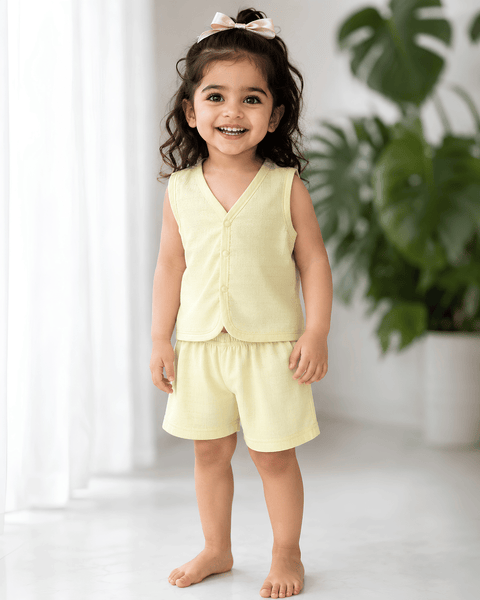
Organic cotton is grown without synthetic pesticides and harsh chemicals, making it a gentler choice for children's sensitive skin. When comparing organic cotton vs regular cotton for kids, organic cotton typically offers better breathability, reduced chemical exposure, and a lower environmental impact, while regular cotton remains more affordable and widely available.
When it comes to dressing children, fabric matters more than many parents realize. In the debate around organic cotton vs regular cotton for kids, organic cotton is often preferred for its softness, breathability, and reduced exposure to harsh chemicals. At Todlerry, we understand that comfort and quality go hand in hand, which is why choosing the right fabric is an important part of creating a child's everyday wardrobe.
What Is Regular Cotton?
Cotton has been a trusted fabric for generations, but not all cotton is produced the same way. Regular cotton, often called conventional cotton, is grown using modern agricultural methods that typically involve synthetic fertilizers, pesticides, and insecticides.
How Conventional Cotton Is Grown
Conventional cotton farming relies heavily on chemical inputs to protect crops from pests and increase production yields. While this approach helps meet global demand, it can leave a larger environmental footprint.
How Regular Cotton Becomes Clothing
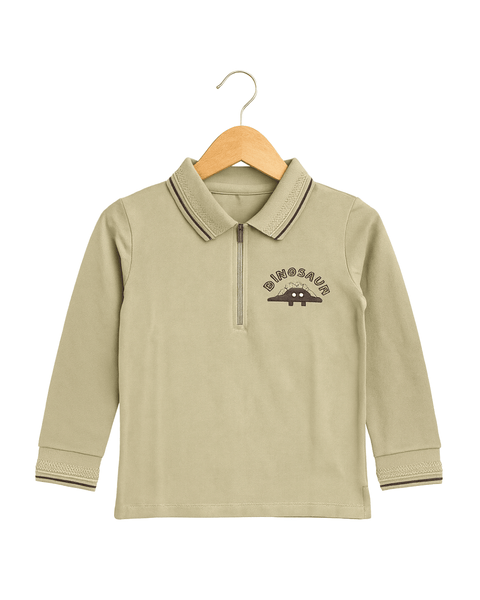
After harvesting, conventional cotton is processed, spun into yarn, woven into fabric, and often treated with dyes, bleaches, and finishing chemicals before becoming garments. Everyday staples like cotton shirts for kids are frequently made from conventional cotton, making it important for parents to check fabric labels before purchasing.
Benefits of Regular Cotton
Regular cotton remains popular because it offers several practical advantages:
- Affordable and accessible
- Durable enough for daily wear
- Easy to maintain
- Available in a wide variety of styles and colours
Potential Drawbacks for Children
For children with sensitive skin, certain chemical residues used during cultivation and processing may cause irritation. While regulations ensure clothing safety, some parents prefer fabrics produced with fewer chemicals.
What Is Organic Cotton?
Organic cotton is grown using natural farming methods that avoid synthetic pesticides, chemical fertilizers, and genetically modified seeds.
How Organic Cotton Is Grown
Organic farming focuses on maintaining healthy soil ecosystems through crop rotation, composting, and natural pest management techniques.
This approach supports biodiversity while reducing chemical runoff into nearby water sources.
What Makes Organic Cotton Different?
The key difference lies in the production process. Organic cotton follows stricter standards from cultivation through manufacturing, resulting in a cleaner, more environmentally responsible fabric.
Understanding GOTS Certification
The Global Organic Textile Standard (GOTS) is one of the most recognized certifications in the textile industry.
A GOTS-certified garment ensures:
- Organic fibre content
- Environmentally responsible processing
- Restrictions on harmful chemicals
- Ethical manufacturing practices
When evaluating organic cotton vs regular cotton for kids, certifications help parents make informed decisions based on verified standards rather than marketing claims.
Organic Cotton vs Regular Cotton for Kids: A Side-by-Side Comparison
Parents often wonder whether the higher cost of organic clothing translates into meaningful benefits.
Here's a closer look.
|
Feature |
Organic Cotton |
Regular Cotton |
|
Chemical Usage |
Minimal |
Higher |
|
Skin Friendliness |
Excellent |
Good |
|
Breathability |
Excellent |
Good |
|
Environmental Impact |
Lower |
Higher |
|
Softness |
Naturally soft |
Soft |
|
Price |
Higher |
More affordable |
Skin Friendliness
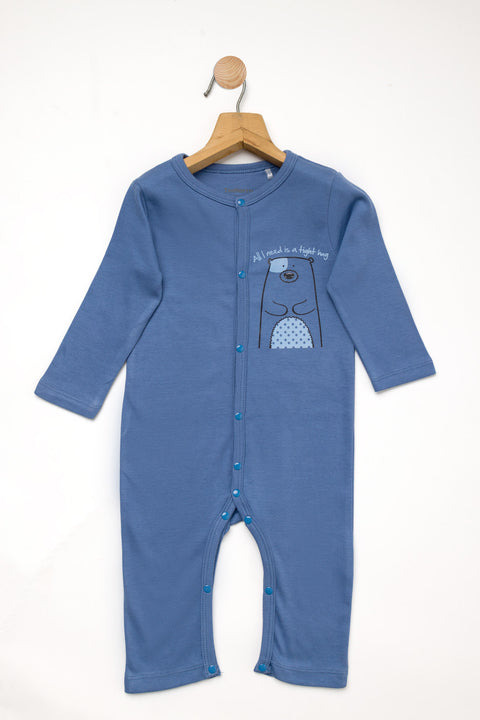
Children's skin is thinner and more delicate than adult skin. Organic cotton is often chosen because it is produced with fewer chemical treatments, making it particularly suitable for sensitive skin. This is especially relevant for garments like jhabla for baby, which are worn directly against a newborn's skin throughout the day.
Breathability and Comfort
Both fabrics are breathable, but organic cotton often retains a softer feel after repeated washing, contributing to greater comfort during sleep, play, and everyday activities.
Durability
Contrary to popular belief, organic cotton can be highly durable when properly cared for. Quality construction often plays a bigger role than the farming method itself.
Safety Considerations
One of the most significant factors in organic cotton vs regular cotton for kids is the reduced use of synthetic chemicals throughout production.
Environmental Impact
Organic farming generally uses less water, supports healthier soil, and promotes biodiversity, making it an attractive choice for environmentally conscious families. If you're curious about what happens to organic cotton at the end of its life, this piece on whether organic cotton is biodegradable addresses some of the most common misconceptions around sustainability.
Is Organic Cotton Better for Children?
The answer depends on individual priorities, but many parents find that organic cotton offers advantages that extend beyond sustainability.
- For Sensitive Skin: Children prone to eczema, rashes, or skin irritation may benefit from clothing made with organic fibres and low-impact processing methods.
- For Everyday Comfort: Softness and breathability remain two of the most valued qualities in children's clothing. Organic cotton naturally excels in both areas.
- For Long-Term Peace of Mind: Many families choose organic options simply because they prefer minimizing unnecessary chemical exposure wherever possible.
When discussing organic cotton vs regular cotton for kids, comfort and peace of mind are often just as important as environmental benefits.
Organic Baby Clothes Benefits Every Parent Should Know
The growing popularity of organic baby clothing is not simply a trend. Parents are increasingly prioritizing fabric quality from infancy onward.
- Softer Against Delicate Skin: Babies spend most of their time in direct contact with clothing, making softness a priority.
- Reduced Risk of Irritation: Organic fabrics are often selected for their gentle feel and reduced chemical exposure.
- Better Air Circulation: Breathable fabrics help regulate body temperature, especially in warm climates.
- Safer for Newborns: Many parents prefer organic materials during the first months when a baby's skin is particularly sensitive.
- Sustainability Benefits: Choosing organic products can support farming practices that place less strain on natural resources.
These are some of the most commonly cited organic baby clothes benefits among modern parents.
Why Natural Cotton Kids Clothing Is Becoming More Popular
Consumer awareness around sustainability and health has grown significantly over the last decade.
Several factors contribute to the demand for natural cotton kids clothing:
- Increased awareness of fabric ingredients
- Preference for sustainable products
- Growing concern about environmental impact
- Desire for softer, more comfortable clothing
- Interest in long-lasting quality garments
As a result, more families are actively researching organic cotton vs regular cotton for kids before making purchasing decisions.
How to Choose the Best Cotton Clothing for Your Child
Whether you choose organic or conventional cotton, quality matters.
- Check Certifications: Look for trusted certifications such as GOTS when purchasing organic garments.
- Prioritize Comfort: Choose fabrics that feel soft, breathable, and comfortable against the skin.
- Consider Construction Quality: Strong stitching and durable finishes can significantly extend garment lifespan.
- Choose Child-Friendly Designs: Comfortable fits and practical designs encourage movement and everyday wear.
- Think Long-Term: Higher-quality clothing often retains its shape and softness longer, offering better value over time.
For parents who want to explore how cotton performs compared to other fabric types before making a final decision, a detailed breakdown of cotton vs synthetic fabrics for kids can offer useful context.
Common Myths About Organic Cotton
Myth 1: Organic Cotton Is Only for Babies
Organic cotton is suitable for children of all ages and even adults. Versatile options like cotton shirts for boys demonstrate how organic and natural cotton fabrics translate just as well into older children's everyday wardrobes.
Myth 2: Organic Cotton Isn't Durable
Durability depends largely on fabric quality and garment construction.
Myth 3: Organic Cotton Is Always Extremely Expensive
While often priced higher, many organic garments now offer excellent value due to increased availability.
Myth 4: All Cotton Is the Same
The cultivation, processing, and finishing methods can create meaningful differences in quality and environmental impact.
Understanding these distinctions helps parents better evaluate organic cotton vs regular cotton for kids.
Final Verdict
There is no one-size-fits-all answer when comparing organic cotton vs regular cotton for kids, but the differences are worth considering. Regular cotton remains practical, affordable, and widely available. Organic cotton, however, offers advantages in terms of softness, reduced chemical exposure, and environmental responsibility.
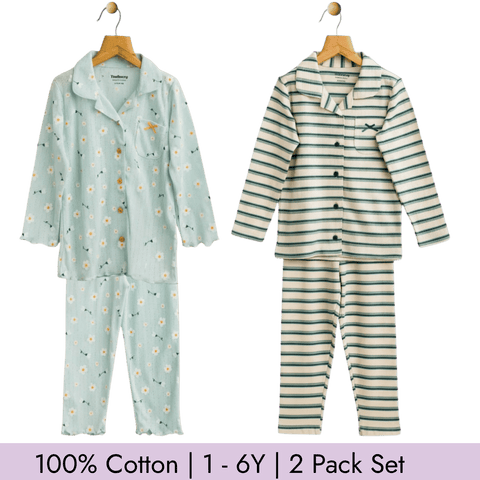
For parents seeking comfort, breathability, and peace of mind, organic cotton often emerges as the preferred choice. Garments like cotton night suits for girls are a good example of how the right fabric choice directly impacts sleep comfort, making the organic vs conventional decision especially relevant for nightwear.
Whether you're shopping for everyday essentials, sleepwear, or special occasion outfits, understanding organic cotton vs regular cotton for kids allows you to make more informed decisions that align with your family's values and your child's needs.
Choose Comfort, Quality, and Care with Todlerry
At Todlerry, we believe children's clothing should feel as good as it looks. Every collection is thoughtfully designed with growing children in mind, focusing on comfort, durability, and everyday practicality.
If you're looking for soft, breathable, and carefully crafted cotton clothing for babies and kids, explore Todlerry's collection and discover pieces designed to keep little ones comfortable through every stage of childhood. Because when it comes to your child, every detail matters.
Frequently Asked Questions
Q1. How does organic cotton benefit children's skin?
Organic cotton is often preferred because it is produced with fewer synthetic chemicals, making it a comfortable option for children with sensitive skin.
Q2. How can parents identify genuine organic cotton clothing?
Look for certifications such as GOTS and review product descriptions carefully to verify organic fibre content.
Q3. Can organic cotton help children with eczema?
While it is not a treatment, many parents find that soft, breathable organic fabrics are more comfortable for children with eczema-prone skin.
Q4. Can regular cotton still be a good choice for kids?
Yes. High-quality regular cotton remains comfortable, durable, and widely used in children's clothing.
Q5. Is organic cotton better for children than regular cotton?
Many parents believe so because of its softer feel, lower chemical usage, and environmental benefits.
Q6. Is organic cotton worth the higher price?
For families prioritizing skin comfort, sustainability, and fabric quality, the additional investment may be worthwhile.
Q7. Will organic cotton shrink after washing?
Like most natural fibres, organic cotton can shrink if washed improperly. Following care instructions helps maintain garment shape.
Q8. What is the biggest difference between organic and regular cotton?
The primary difference lies in farming and processing methods. Organic cotton is grown without synthetic pesticides and fertilizers.
Q9. Why do more parents choose organic cotton today?
Growing awareness of sustainability, skin sensitivity, and responsible manufacturing has increased demand for organic clothing.