How often should you change baby clothes? Most babies need 2–4 outfit changes a day, depending on spit-ups, diaper leaks, drooling, sweat, or weather. Should clothes be changed immediately after getting wet or dirty? Yes, changing into clean, dry clothing helps protect delicate skin, improves comfort, and reduces the risk of irritation or rashes.
If you're wondering how often should you change baby clothes, the simple answer is whenever they become wet, dirty, or uncomfortable. Most babies need multiple outfit changes each day due to feeding, diaper accidents, or weather. At Todlerry, we believe comfortable, breathable clothing plays an important role in keeping little ones happy, clean, and protected throughout the day.
How Often Should You Change Baby Clothes?
One of the most common questions new parents ask is how often should you change baby clothes. While there isn't a fixed number that works for every child, most babies require two to four outfit changes daily. Newborns, especially, may need fresh clothes more often because they feed frequently and are more likely to experience spit-ups, milk spills, and diaper leaks.
Instead of following a strict schedule, pay attention to your baby's comfort. Clothes should be changed whenever they become damp, stained, or soiled. Clean, dry clothing helps your baby stay comfortable while supporting healthy skin.
Daily Clothing Guide
- Newborns: 3–5 outfit changes per day
- 3–6 months: 2–4 outfit changes
- 6–12 months: 2–3 outfit changes
- Toddlers: 2–3 outfit changes depending on activity
Signs It's Time to Change Your Baby's Clothes
Babies cannot tell you when they feel uncomfortable, so parents should look for common signs that indicate a clothing change is needed.
- Spit-Up or Milk Stains: After feeding, milk can soak into clothing and leave your baby feeling damp. Fresh clothes help maintain hygiene and comfort.
- Diaper Leaks: Even well-fitted diapers can leak occasionally. Change both the diaper and clothing immediately to keep your baby's skin clean and dry.
- Sweat: Warm weather or overdressing may cause sweating. Damp clothes can irritate delicate skin, making breathable outfits especially important. Knowing how to know if baby is too hot while sleeping helps parents catch this early and make a timely clothing change before skin irritation sets in.
- Drooling: During teething, babies often drool excessively. Wet collars and bib areas should be replaced with dry clothing whenever possible.
- Food Messes: As babies begin solids, food spills become common. Changing stained clothes helps prevent discomfort and keeps skin fresh.
- Outdoor Play: Dust, dirt, and grass stains collected during outdoor activities are another reason to dress your baby in clean clothes afterward.
How Often Should Newborn Clothes Be Changed?
When asking how often should you change baby clothes, remember that newborns generally require more frequent outfit changes than older babies.
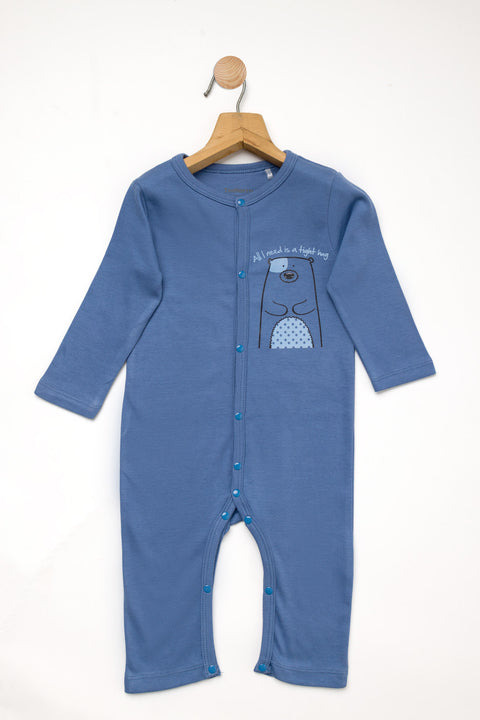
Newborns feed every few hours, which increases the chances of milk spills and spit-ups. Their sensitive skin is also more vulnerable to irritation if clothing stays damp for too long. Soft, easy-to-change options like a jhabla for newborn are especially practical during this stage because they can be slipped on and off quickly during frequent outfit changes.
Changing newborn clothes whenever they become dirty or wet helps:
- Keep skin clean
- Reduce moisture build-up
- Improve comfort
- Lower the chance of rashes
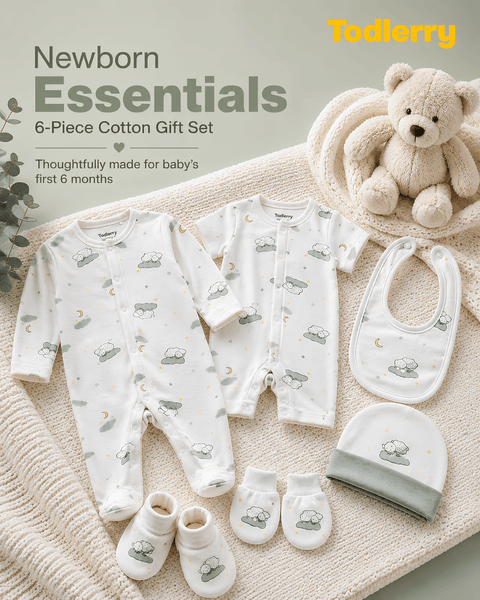
Many parents find it helpful to keep several extra outfits nearby during the newborn stage. A complete newborn clothes checklist makes it easier to plan exactly how many outfits, rompers, and essentials to have ready before bringing your baby home.
Factors That Affect How Often You Should Change Baby Clothes
Several everyday situations influence how often your baby's clothes need changing.
Weather
During hot and humid weather, babies sweat more and may need additional outfit changes. In cooler months, clothing may stay clean longer, but damp garments should still be replaced promptly.
Feeding Habits
Frequent feeding often leads to spit-ups and milk dribbles. Bibs can help reduce mess, but outfit changes are still common during infancy. Comfortable, easy-to-change essentials like newborn romper styles make quick outfit swaps during feeding time much more manageable.
Diaper Blowouts
Occasional diaper leaks happen even with properly fitted diapers. Clean clothes should always replace soiled garments immediately.
Sensitive Skin
Babies with eczema or easily irritated skin benefit from wearing clean, breathable clothing made from gentle fabrics.
Why Changing Baby Clothes Regularly Is Important
Regular clothing changes are about more than appearance—they contribute to your baby's overall comfort and well-being.
- Helps Prevent Skin Irritation: Wet fabrics rubbing against delicate skin may contribute to redness and discomfort.
- Supports Good Hygiene: Fresh clothing removes milk residue, food stains, sweat, and other substances that can accumulate throughout the day.
- Improves Comfort: Dry, soft clothing allows babies to move freely, sleep comfortably, and remain content between feeds and naps.
- Regulates Body Temperature: Changing sweaty clothes helps babies stay cool during warm weather, while dry layers help maintain warmth in cooler conditions.
How Many Baby Outfits Do You Need Each Day?
Parents often ask how often should you change baby clothes because they want to know how many outfits to keep ready.
A practical daily estimate includes:
- Newborn: 3–5 outfits
- Infant: 2–4 outfits
- Toddler: 2–3 outfits
It's also wise to carry one or two spare outfits whenever you're travelling with your baby. Practical everyday options like baby girl rompers are easy to pack as spares because they're lightweight, compact, and quick to change into on the go.
Best Fabrics for Everyday Baby Clothing
The fabric you choose is just as important as how frequently clothes are changed.
Look for clothing made from:
- 100% cotton
- Organic cotton
- Muslin
- Lightweight breathable fabrics
These materials allow better airflow, absorb moisture effectively, and feel soft against delicate skin.
At Todlerry, thoughtfully designed cotton babywear combines comfort, durability, and gentle fabrics to support babies through every stage of daily play, feeding, and rest. Soft everyday staples like newborn baby boy clothes are crafted with exactly these priorities in mind, offering breathable cotton construction that holds up well through multiple washes and daily outfit changes.
Tips to Keep Your Baby Comfortable Between Clothing Changes
Small habits can help reduce unnecessary clothing changes while keeping your baby comfortable throughout the day.
- Dress your baby according to the weather.
- Keep spare outfits within easy reach.
- Use absorbent bibs during feeding.
- Choose correctly sized clothing.
- Wash clothes with a mild baby-friendly detergent.
- Pack extra clothes whenever leaving home.
Common Mistakes Parents Should Avoid
Even experienced parents occasionally overlook clothing-related comfort.
Avoid these common mistakes:
- Waiting too long to change wet clothes
- Overdressing during warm weather
- Reusing stained outfits
- Choosing rough synthetic fabrics
- Ignoring signs of sweating or discomfort
Expert Tips for Maintaining Baby Clothing Hygiene
Keeping baby clothes clean starts with proper washing and storage.
- Wash new clothes before first use.
- Use gentle, fragrance-free detergents.
- Separate baby laundry from heavily soiled clothing.
- Dry clothes completely before storing them.
- Store outfits in a clean, dry place.
These simple habits help maintain freshness while supporting your baby's comfort every day. For a complete step-by-step walkthrough, this guide on how to wash baby clothes for the first time covers detergent choices, water temperature, and drying tips that are safe for delicate newborn fabrics.
Conclusion
Understanding how often should you change baby clothes comes down to observing your baby's daily needs rather than following a strict routine. Most babies benefit from changing into fresh clothes whenever garments become wet, dirty, or uncomfortable. Clean, breathable outfits not only improve comfort but also help protect delicate skin throughout the day.
When choosing everyday essentials, prioritise soft, lightweight fabrics that are gentle on sensitive skin and suitable for all seasons. Age-appropriate option like baby boy clothes 0 3 months is designed with exactly this in mind, offering breathable, easy-change styles that grow alongside your baby's earliest stages.
Keep Your Baby Comfortable Every Day with Todlerry
Every outfit change is an opportunity to keep your little one feeling fresh, comfortable, and happy. At Todlerry, you'll find thoughtfully crafted 100% cotton baby clothes designed for everyday adventures, from newborn essentials to stylish outfits for growing toddlers. Explore our collection of soft rompers, jhablas, dresses, co-ord sets, and everyday wear to build a wardrobe that's gentle on delicate skin and made for lasting comfort.
Frequently Asked Questions
Q1. How often should you change baby clothes in a day?
Most babies need 2–4 outfit changes daily, although newborns may require more depending on feeding, diaper leaks, and weather.
Q2. Can babies wear the same clothes for two days?
If clothes remain completely clean, dry, and free from stains, they may occasionally be worn again. However, wet or soiled clothing should always be changed immediately.
Q3. Is it necessary to change baby clothes after every feed?
Not always. If clothing stays clean and dry, there's no need to change it. However, any milk spills or spit-ups should be cleaned by changing into fresh clothes.
Q4. Will changing baby clothes frequently help prevent rashes?
Yes. Regular clothing changes reduce prolonged moisture and friction against delicate skin, helping lower the chance of irritation.
Q5. What are the signs that my baby needs fresh clothes?
Wetness, spit-up, diaper leaks, sweating, food stains, unpleasant odours, or visible dirt are all signs it's time for a clothing change.
Q6. Why do newborns need more outfit changes than older babies?
Newborns feed more frequently and experience more spit-ups and diaper accidents, which naturally leads to additional clothing changes.
Q7. How many spare baby outfits should I carry when travelling?
Carrying at least two spare outfits, along with extra bibs and socks, is recommended for short outings. Longer trips may require additional clothing.
Q8. Can breathable cotton clothes keep babies comfortable between outfit changes?
Yes. Soft, breathable cotton fabrics absorb moisture well, allow better airflow, and help babies stay comfortable throughout the day.