Toddlers often refuse clothing because of sensory sensitivities, discomfort, a desire for independence, or simply because they're focused on play. Is it normal? Yes, it is a common developmental phase. What helps? Choosing soft, breathable clothing, offering simple choices, and keeping dressing routines calm can make getting dressed much easier.
If you're wondering why do toddlers refuse to wear clothes, you're not alone. Many children go through this stage as they develop independence or react to clothing that feels uncomfortable. At Todlerry, we understand that comfortable, child-friendly clothing and patient parenting can make dressing time less stressful and more enjoyable for the whole family.
Why Do Toddlers Refuse to Wear Clothes?
Parents are often surprised when a child suddenly starts taking off clothes or refuses to get dressed altogether. In most cases, this behaviour isn't about being difficult, it's a way for toddlers to express themselves, communicate discomfort, or explore their growing independence.
Understanding why do toddlers refuse to wear clothes is the first step toward finding practical solutions that work for your child instead of creating daily battles.
Several factors can contribute to clothing refusal, and recognising them helps parents respond with empathy rather than frustration.
They're Discovering Their Independence
Toddlers love making their own decisions. Between the ages of two and four, children begin testing boundaries as they learn they can make choices independently.
Choosing not to wear clothes may simply be another way of saying, "I want to decide."
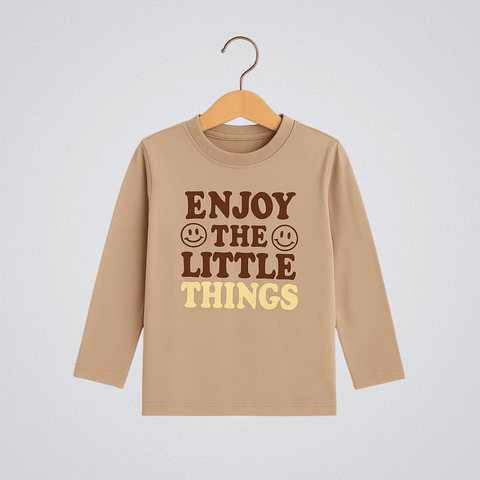
Instead of forcing them, offer two comfortable outfit choices. Giving toddlers a sense of control often reduces resistance while still allowing parents to guide appropriate clothing decisions. Letting them pick between options like cool t shirts for boys gives children a genuine sense of ownership over what they wear.
Certain Fabrics Feel Uncomfortable
What feels perfectly normal to an adult may feel irritating to a toddler.
Common clothing discomforts include:
- Scratchy fabrics
- Thick seams
- Tight elastic waistbands
- Stiff collars
- Clothing labels rubbing against the skin
- Heavy or non-breathable materials
If you've ever wondered why do toddlers refuse to wear clothes, physical discomfort is one of the most overlooked reasons. Understanding which materials work best is covered in depth in this guide to the Best Fabrics for Kids Outfit, which helps parents identify softer, skin-friendly alternatives.
Soft, lightweight fabrics often make dressing much easier.
Sensory Sensitivities Can Make Clothing Overwhelming
Some children experience sensory sensitivities that make certain textures feel far more intense than they do for others.
They may dislike:
- Sock seams
- Tight sleeves
- Clothing tags
- Certain fabric textures
- Layered clothing
These children aren't trying to be stubborn, they're reacting to genuine discomfort.
Parents should observe whether clothing refusal happens consistently with particular fabrics or garment styles.
They Feel Too Hot or Too Restricted
Temperature plays a bigger role than many parents realise.
Children naturally move more than adults, causing them to feel warmer throughout the day. Thick clothing or synthetic fabrics can quickly become uncomfortable, especially in warmer climates.
Loose-fitting, breathable outfits allow toddlers to move freely while helping regulate body temperature. Parents looking for seasonal guidance will find this article on how to dress baby girl in summer particularly useful for keeping little ones cool and comfortable.
They're More Interested in Playing Than Getting Dressed
For toddlers, play is often far more exciting than getting dressed.
Stopping an enjoyable activity to change clothes may trigger resistance, particularly if they're deeply engaged.
Giving advance notice, such as "We'll get dressed in five minutes", helps children prepare for the transition.
Is It Normal for Toddlers to Refuse Clothes?
Yes. In most cases, clothing refusal is a perfectly normal developmental stage.
Many toddlers experiment with independence by saying "no" to everyday routines, including getting dressed.
Understanding why do toddlers refuse to wear clothes helps parents distinguish between normal behaviour and situations that may require additional support.
Occasional clothing refusal is common, especially between ages two and four. However, if your child experiences severe distress every time they wear clothes or reacts intensely to certain textures, it's worth discussing your concerns with a paediatrician or occupational therapist.
Signs That Clothing Discomfort May Be the Real Problem
Sometimes toddlers communicate discomfort through behaviour rather than words.
Watch for signs such as:
- Pulling clothes off repeatedly
- Constantly scratching clothing
- Complaining that clothes hurt
- Refusing socks or shoes
- Crying while getting dressed
- Only wanting specific outfits
- Becoming upset after putting on certain fabrics
These signs may indicate that comfort, not behaviour, is the real issue.
How Parents Can Help Without Turning Dressing Into a Daily Battle
Offer Simple Choices
Giving toddlers limited choices encourages cooperation.
Instead of asking:
"What do you want to wear?"
Try:
"Would you like the blue T-shirt or the green one?"
Children feel independent while parents maintain appropriate boundaries.
Create a Calm Dressing Routine
Morning stress can easily turn dressing into a struggle.
Instead:
- Wake up a little earlier.
- Keep routines predictable.
- Stay calm if your child refuses.
- Praise cooperation instead of focusing on resistance.
Consistency helps children know what to expect. For situations like long travel days where dressing routines shift, this guide on how to dress baby for long car journey offers practical advice on keeping children comfortable and cooperative on the go.
Introduce New Clothes Gradually
Some toddlers need time to adjust to unfamiliar clothing.
Allow them to:
- Wear new clothes around the house first.
- Feel the fabric before wearing it.
- Pair new items with familiar favourites.
Gradual exposure often works better than sudden changes.
Respect Their Preferences
Children often have genuine likes and dislikes.
If your toddler prefers:
- Certain colours
- Loose clothing
- Soft fabrics
- Favourite characters
Try incorporating these preferences whenever possible while maintaining practicality. Fun options like cartoon t shirts for kids are a great way to give children ownership over their outfit while keeping dressing stress-free.
Choosing Clothes That Toddlers Actually Enjoy Wearing
Comfort should always come before trends.
When shopping for children's clothing, look for:
- Soft cotton fabrics
- Breathable materials
- Stretchable waistbands
- Relaxed fits
- Lightweight construction
- Easy-to-wear designs
Comfortable clothing supports active play while reducing unnecessary distractions. Relaxed options like kids leggings girls check all these boxes, offering stretch, softness, and ease of movement that toddlers genuinely prefer.
Why Fabric Choice Matters More Than Many Parents Realise
Parents often focus on colours or designs, but fabric has an even greater impact on how children feel throughout the day.
Natural cotton fabrics help:
- Keep skin cool
- Reduce irritation
- Improve breathability
- Allow better movement
- Support longer play sessions
- Increase everyday comfort
This is one reason why do toddlers refuse to wear clothes can sometimes be answered simply by choosing clothing that feels softer and lighter against their skin. Breathable everyday choices like girls pajama sets in soft cotton make transitions like bedtime and nap time far less likely to trigger resistance.
When Should Parents Seek Professional Advice?
Although clothing refusal is usually temporary, professional guidance may be helpful if your child:
- Experiences intense distress every day
- Shows signs of significant sensory challenges
- Has difficulty participating in daily routines
- Avoids clothing regardless of environment
- Experiences developmental concerns alongside clothing refusal
Early guidance can help families better understand their child's needs.
Common Dressing Mistakes Parents Should Avoid
Many dressing struggles become more difficult because of well-intentioned parenting habits.
Avoid:
- Forcing clothing immediately
- Arguing during dressing
- Ignoring repeated complaints about discomfort
- Buying clothes based only on appearance
- Rushing transitions
Responding with patience usually leads to better long-term cooperation.
Creating a Positive Relationship With Clothing
Helping toddlers feel comfortable with clothing takes time.
Simple habits can make a big difference:
- Turn dressing into a game.
- Celebrate small successes.
- Let children participate in choosing outfits.
- Maintain predictable routines.
- Focus on comfort before appearance.
As children grow, positive experiences around dressing often lead to greater independence and confidence. When special occasions arise, having a go-to guide on how to dress kids for indian festivals makes it easier to dress children in comfortable, occasion-appropriate outfits without turning it into a struggle.
Why Comfortable Everyday Clothing Makes a Difference
One practical way to reduce dressing struggles is by choosing clothing designed with children's comfort in mind.
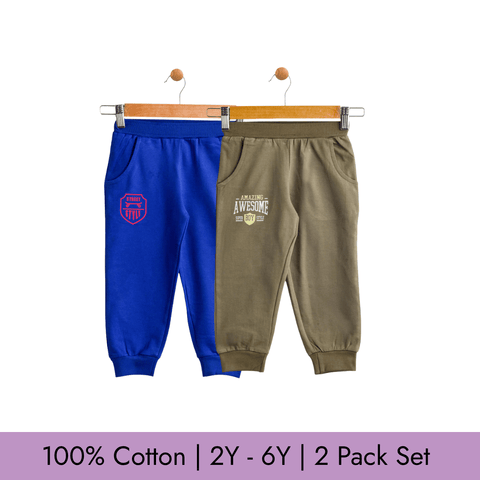
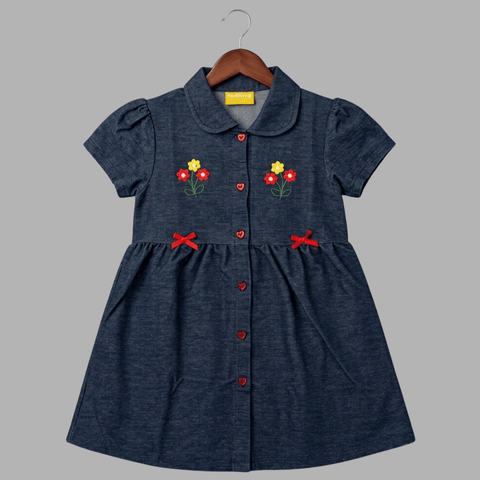
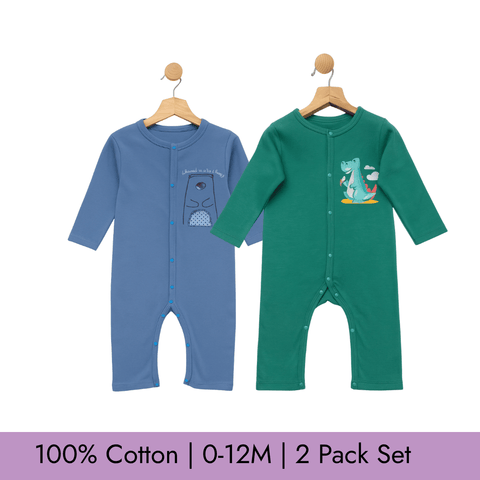
Todlerry creates everyday kidswear using soft, breathable 100% cotton fabrics that are gentle on delicate skin and comfortable for active movement. Relaxed fits, lightweight materials, and thoughtfully designed essentials help children stay comfortable during play, learning, naps, and everyday adventures. Easy, familiar pieces like frocks for kids girls in breathable cotton are exactly the kind of wardrobe staples that make daily dressing feel effortless rather than stressful.
When parents ask why do toddlers refuse to wear clothes, the answer is often simpler than expected, comfortable clothing can make a noticeable difference to a child's willingness to get dressed.
Conclusion
Understanding why do toddlers refuse to wear clothes helps parents respond with patience instead of frustration. Whether the reason is independence, sensory sensitivity, temperature, or simple discomfort, most children gradually outgrow this stage with consistent routines and comfortable clothing choices.
At Todlerry, we believe every child deserves clothing that feels as good as it looks. Our thoughtfully crafted 100% cotton kidswear is designed to support comfort, movement, and everyday adventures, making dressing easier for children and parents alike. Explore Todlerry's collection to discover soft, breathable essentials that help little ones feel comfortable from morning playtime to bedtime.
Frequently Asked Questions
Q1. How can I encourage my toddler to wear clothes without forcing them?
Offer two comfortable outfit choices, keep dressing routines calm, and praise cooperation. Giving toddlers some control often reduces resistance.
Q2. How do I know if my toddler's clothing refusal is caused by sensory issues?
If your child consistently reacts to certain fabrics, seams, tags, or clothing textures and becomes distressed while dressing, sensory sensitivity could be a contributing factor.
Q3. Can uncomfortable clothing make toddlers refuse to get dressed?
Yes. Scratchy fabrics, tight waistbands, rough seams, or heavy materials can make clothing uncomfortable enough for toddlers to resist wearing it.
Q4. Is it normal for toddlers to refuse to wear clothes?
Yes. Clothing refusal is a common developmental phase, especially between two and four years of age, as children explore independence.
Q5. Is refusing clothes always a sign of a behavioural problem?
No. In most cases, it reflects normal development, comfort preferences, or sensory sensitivities rather than behavioural issues.
Q6. Will my toddler eventually outgrow this phase?
Most toddlers gradually become more comfortable with dressing as they mature, especially when parents respond patiently and provide comfortable clothing options.
Q7. What type of clothing is best for toddlers who dislike getting dressed?
Soft, breathable, lightweight cotton clothing with relaxed fits, minimal seams, and comfortable waistbands is often the best choice.
Q8. Why do toddlers refuse to wear clothes even at home?
Toddlers may refuse clothes because they're exploring independence, feeling too warm, experiencing sensory discomfort, or simply wanting the freedom to move while playing.