Clothing labels tell you important information about a garment's fabric, care requirements, size, and safety. To understand how to read clothing labels kids clothes, check the fabric composition, washing instructions, clothing symbols, and certifications. These details help parents choose comfortable, durable, and skin-friendly clothes while ensuring they are washed and maintained correctly.
If you're wondering how to read clothing labels kids clothes, the answer is simpler than you might think. Clothing labels provide valuable information about fabric quality, care instructions, safety standards, and durability. At Todlerry, we believe informed parents make better clothing choices, which is why understanding clothing labels can help you choose comfortable, long-lasting garments for your children.
Why Clothing Labels Matter More Than Most Parents Realize
Most parents check the size tag and move on. However, clothing labels contain much more information than just sizing. They reveal how a garment should be cared for, what materials it contains, and whether it's suitable for your child's sensitive skin. This matters from the very beginning even when shopping for newborn baby boy clothes, checking the fabric label can make a significant difference in your baby's everyday comfort.
Understanding how to read clothing labels kids clothes can help prevent common issues such as shrinking, fading, skin irritation, and premature wear.
Labels Help Protect Sensitive Skin
Children's skin is often more delicate than adults'. The fabric composition listed on a label can indicate whether a garment is breathable, moisture-absorbing, or potentially irritating.
Natural fibers such as cotton are generally preferred because they allow air circulation and feel soft against the skin.
Labels Reveal Clothing Quality
A detailed clothing label often reflects a manufacturer's commitment to transparency. Clear fabric percentages, care instructions, and certifications help parents assess quality before purchasing. This is especially useful when buying baby boy clothes for 0–3 months, since garments at this stage are worn directly against delicate newborn skin for most of the day.
Labels Help Clothes Last Longer
Following the care instructions on clothing labels can significantly increase a garment's lifespan. Proper washing, drying, and ironing methods help preserve softness, color, and shape.
The 5 Parts of a Kids Clothing Label Every Parent Should Understand
Learning how to read clothing labels kids clothes starts with understanding the key information found on every garment.
1. Fabric Composition
The fabric composition tells you exactly what materials were used.
Common examples include:
- 100% Cotton
- 95% Cotton, 5% Elastane
- Cotton Blend
- Organic Cotton
- Bamboo Blend
For children, breathable fabrics such as cotton are often preferred because they are soft, durable, and gentle on sensitive skin. If you'd like to go deeper on which materials work best for little ones, a detailed guide on best fabrics for kids outfits covers the key differences across fabric types.
2. Care Instructions
Care instructions explain how to wash, dry, and maintain the garment.
They help prevent:
- Shrinkage
- Color fading
- Fabric damage
- Loss of softness
Ignoring these instructions can shorten a garment's lifespan.
3. Size Information
Children grow at different rates, so size labels should always be used as a guide rather than a guarantee. Check measurements whenever possible, especially when shopping online. Parents shopping for baby boy clothes aged 3–6 months will often find that actual measurements on the label are far more reliable than the age range printed on the tag.
4. Country of Origin
This section identifies where the garment was manufactured. While country of origin alone doesn't determine quality, transparent labeling often indicates higher manufacturing standards.
5. Certifications and Safety Labels
Look for certifications such as:
- GOTS (Global Organic Textile Standard)
- OEKO-TEX Standard 100
- Organic Cotton Certifications
These certifications can indicate safer materials and manufacturing processes.
What Do Clothing Symbols Mean? A Simple Guide for Parents
One of the most common questions parents ask is, what do clothing symbols mean?
Clothing symbols are standardized icons that explain how a garment should be washed, dried, ironed, or cleaned.
Understanding these symbols helps prevent accidental damage and keeps clothes looking their best.
Washing Symbols
The wash tub symbol indicates how a garment should be washed.
Common variations include:
- Machine wash
- Hand wash
- Gentle cycle
- Do not wash
Drying Symbols
A square symbol generally relates to drying instructions.
Examples include:
- Tumble dry
- Line dry
- Flat dry
- Do not tumble dry
Ironing Symbols
The iron symbol indicates the appropriate heat setting.
- One dot = Low heat
- Two dots = Medium heat
- Three dots = High heat
Bleaching Symbols
The triangle symbol refers to bleach usage.
- Empty triangle = Bleach allowed
- Triangle with lines = Non-chlorine bleach only
- Crossed triangle = Do not bleach
Dry Cleaning Symbols
A circle indicates dry-cleaning instructions.
Most children's clothing does not require professional dry cleaning, but it is still useful to understand the symbol.
Kids Clothing Care Label Guide: How to Wash Clothes Correctly
Every parent can benefit from a reliable kids clothing care label guide.
Following proper washing instructions helps preserve the quality, softness, and appearance of children's clothing.
Caring for Cotton Clothing
Cotton garments generally perform best when:
- Washed in cold or lukewarm water
- Washed with mild detergents
- Avoiding excessive heat during drying
Caring for Organic Cotton
Organic cotton requires similar care but may benefit from gentler washing cycles to maintain softness over time.
Caring for Printed Clothing
To preserve prints:
- Turn garments inside out
- Use gentle detergents
- Avoid harsh bleaching agents
Caring for Newborn Clothing
Newborn garments should be washed separately whenever possible using fragrance-free and hypoallergenic detergents.
Common Washing Symbols Clothes Explained
Many parents find washing symbols clothes confusing at first. Here's a simple reference table.
|
Symbol |
Meaning |
Parent Action |
|
Wash Tub |
Machine Wash |
Use standard wash cycle |
|
Hand in Tub |
Hand Wash |
Wash gently by hand |
|
Triangle |
Bleaching Instructions |
Follow carefully |
|
Square |
Drying Instructions |
Check drying method |
|
Iron |
Ironing Instructions |
Use recommended heat |
|
Circle |
Dry Cleaning |
Professional cleaning if required |
Keeping these symbols in mind makes garment care much easier.
7 Red Flags on Clothing Labels Parents Should Never Ignore
Knowing how to read clothing labels kids clothes also means recognizing warning signs.
- Vague Fabric Descriptions: Terms like "premium blend" or "cotton rich" without percentages can be misleading.
- Missing Fabric Percentages: Parents deserve to know exactly what materials are present in a garment.
- No Care Instructions: Missing care labels may indicate poor manufacturing standards.
- Excessive Synthetic Content: High synthetic content may reduce breathability and comfort.
- Lack of Certifications: For sensitive skin, certified fabrics provide additional peace of mind.
- Poorly Attached Labels: Loose stitching and poor finishing may indicate lower-quality construction.
- Strong Chemical Odors: A strong chemical smell can sometimes indicate heavy processing or finishing treatments.
How to Choose Safe and Comfortable Clothes for Children
Once you understand how to read clothing labels kids clothes, selecting better garments becomes easier.
Consider these factors:
- Prioritize Breathable Fabrics: Natural fibers generally offer better comfort for active children.
- Look for Soft Finishes: Children wear clothes for long hours, making softness an important factor.
- Check Certifications: Safety and quality certifications provide valuable reassurance.
- Dress for the Climate: Choose fabrics suitable for your local weather conditions.
- Focus on Comfort First: Children are happiest when their clothes feel comfortable throughout the day.
Why 100% Cotton Remains a Parent Favorite
Many parents consistently choose cotton because it offers practical everyday benefits.
- Breathable and Comfortable: Cotton allows air circulation, helping children stay comfortable throughout the day.
- Gentle on Sensitive Skin: The soft texture of cotton makes it suitable for babies and young children.
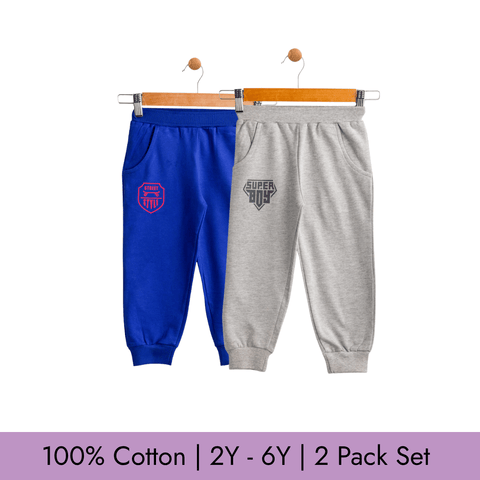
- Durable for Everyday Wear: Quality cotton garments can withstand frequent washing and active play.
- Easy to Maintain: Cotton clothing is generally straightforward to wash and care for when label instructions are followed correctly.
Quick Checklist Before Buying Kids Clothes
Before purchasing, check:
- Fabric composition
- Care instructions
- Clothing symbols
- Safety certifications
- Accurate sizing information
- Breathability
- Stitching quality
- Comfort level
This simple checklist can help parents apply how to read clothing labels kids clothes confidently while shopping. For older toddlers, pairing this checklist with a reliable size reference like the 5-year girl dress size chart or the Indian baby frock size chart can make online shopping far more accurate and stress-free.
Conclusion
Understanding how to read clothing labels kids clothes empowers parents to make informed decisions about comfort, safety, and quality. By paying attention to fabric composition, care instructions, certifications, and clothing symbols, you can choose garments that are better suited to your child's daily needs while ensuring they stay in great condition for longer. As children grow, keeping these habits consistent whether you're shopping for baby boy clothes for 2–3 years or beyond helps ensure every purchase is a confident and informed one.
Choose Comfort, Quality, and Confidence with Todlerry
At Todlerry, we believe children's clothing should be soft, comfortable, and designed to support every stage of childhood. That's why our collections focus on thoughtfully crafted cotton essentials that prioritize comfort, durability, and everyday practicality.
Whether you're shopping for newborns, toddlers, or growing kids, Todlerry offers clothing designed with both parents and children in mind. Explore our collection today and discover comfortable cotton clothing made for life's little adventures.
Frequently Asked Questions
How do I read clothing labels on kids clothes?
Start by checking fabric composition, care instructions, washing symbols, size details, and certifications. These sections provide all the information needed to assess comfort, safety, and durability.
How can I understand washing symbols on children's clothing?
Washing symbols are standardized icons that explain how a garment should be washed, dried, ironed, or cleaned. Learning a few common symbols makes clothing care much easier.
Can clothing labels help identify better-quality garments?
Yes. Detailed labels with clear fabric percentages, care instructions, and certifications often indicate higher manufacturing standards and greater transparency.
Can I ignore care labels if I've washed similar clothes before?
It's not recommended. Different fabric blends may require different care methods, even if the garments appear similar.
Is 100% cotton better for children's clothing?
For many children, especially those with sensitive skin, 100% cotton offers excellent breathability, softness, and comfort. However, some blends may offer added stretch or durability.
What do clothing symbols mean on kids clothes?
Clothing symbols provide instructions for washing, drying, ironing, bleaching, and dry cleaning. They help maintain garment quality and prevent accidental damage.
Why are care labels important for children's clothing?
Care labels help preserve fabric quality, maintain fit, and extend garment lifespan. They also reduce the risk of shrinkage and fading.
Will following clothing label instructions make clothes last longer?
Yes. Following label instructions can significantly improve durability, helping garments maintain their shape, softness, and appearance over time.