The best way to layer kids clothes in monsoon is to use three simple layers: a breathable cotton base layer, a lightweight middle layer, and a rain-protective outer layer. This approach helps children stay comfortable during sudden weather changes, reduces sweat buildup, prevents skin irritation, and allows easy movement throughout the day.
Monsoon weather can be unpredictable, which is why understanding how to layer kids clothes in monsoon is essential for every parent. The right layers help children stay dry, comfortable, and active despite humidity and sudden rain showers. At Todlerry, we believe that comfortable clothing starts with breathable fabrics and practical designs that support everyday adventures.
Why Layering Matters During the Indian Monsoon
Indian monsoons often bring a mix of humidity, rain, cooler evenings, and air-conditioned indoor environments. Dressing children in a single outfit may leave them feeling too hot, too cold, or uncomfortably damp.
Learning how to layer kids clothes in monsoon helps parents adapt to changing weather conditions without constantly changing their child's outfit. Parents who want a deeper understanding of which materials perform best in humid conditions can refer to the guide on best fabrics for kids outfit before building their monsoon wardrobe.
Layering offers several benefits:
- Helps regulate body temperature
- Makes outfit adjustments easy throughout the day
- Keeps children comfortable during outdoor play
- Reduces discomfort caused by sweat and moisture
- Provides protection from sudden rain showers
For active children, a well-layered outfit can make a noticeable difference in comfort and confidence.
The 3-Layer Monsoon Dressing Formula for Kids
If you're wondering how to layer kids clothes in monsoon, follow this simple three-layer method.
Layer 1: Start with a Breathable Base Layer
The base layer sits directly against your child's skin and plays the most important role in comfort.
Choose:
- Soft cotton T-shirts
- Cotton jhablas for babies
- Lightweight sleeveless innerwear
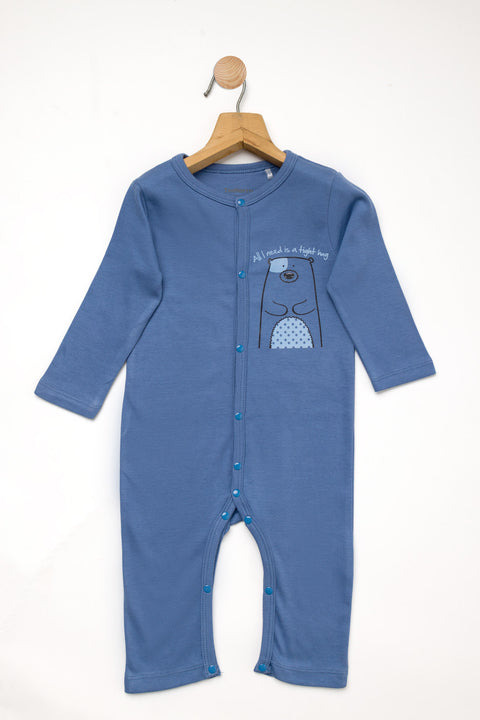
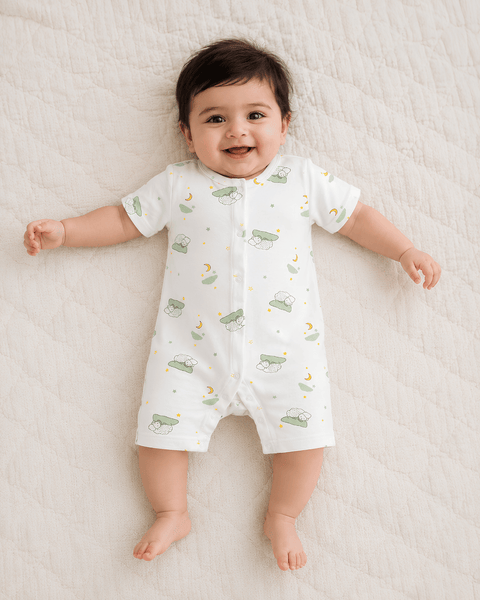
- Comfortable rompers for infants
Cotton is naturally breathable and gentle on sensitive skin. It allows air circulation and helps absorb moisture, making it ideal for humid weather.
Todlerry's cotton jhablas, newborn essentials, baby T-shirts, and rompers are designed to provide softness and comfort throughout the day.
Layer 2: Add a Lightweight Comfort Layer
The middle layer provides additional comfort without adding unnecessary warmth.
Good options include:
- Cotton shirts
- Co-ord sets
-
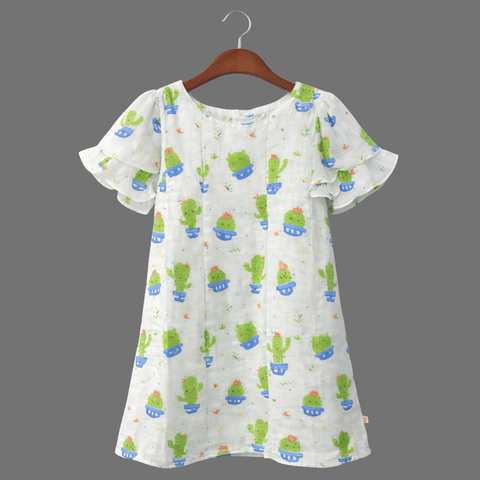
Frocks for kids girls in soft breathable cotton make an excellent middle layer for younger girls during the rainy season
- Joggers
- Lightweight tops
This layer should allow children to move freely while maintaining comfort during changing weather conditions.
When considering how to layer kids clothes in monsoon, avoid bulky garments that can trap heat and become uncomfortable when damp.
Layer 3: Use a Rain Protection Layer
The outer layer protects children from unexpected rain.
Suitable choices include:
- Lightweight raincoats
- Foldable ponchos
- Water-resistant jackets
Look for rainwear that offers breathability rather than heavy plastic materials. The goal is to protect against rain while preventing overheating.
A lightweight outer layer can be easily removed when the weather improves.
Best Fabrics for Monsoon Dressing for Kids
Choosing the right fabric is just as important as choosing the right layers.
Cotton: The Monsoon Essential
Cotton remains one of the best options for monsoon dressing for kids because it is:
- Soft and gentle on skin
- Breathable
- Comfortable in humid weather
- Easy to wear throughout the day
Children often sweat even during rainy weather, making breathable fabrics a necessity.
Fabrics to Avoid During Monsoon
Certain fabrics can make children uncomfortable during the rainy season.
Avoid:
- Heavy denim
- Thick polyester blends
- Non-breathable synthetic materials
These fabrics can trap moisture, increase sweating, and cause irritation.
Why Soft Cotton Works Well for Babies and Toddlers
Babies and toddlers have delicate skin that reacts more quickly to heat and moisture.
Soft cotton clothing helps:
- Reduce skin irritation
- Improve airflow
- Maintain comfort during long wear
- Support unrestricted movement
This is one reason why many parents prefer cotton-based clothing collections from brands like Todlerry during the rainy season.
Kids Outfit Ideas for Rainy Season in India
Parents often search for practical kids outfit in rainy season India recommendations that balance comfort and style.
Outfit Idea for Babies (0–2 Years)
- Cotton jhabla
- Soft shorts
- Lightweight hooded jacket
This combination keeps babies comfortable while allowing quick outfit changes if clothes become damp.
Outfit Idea for Toddlers (2–5 Years)
- Breathable cotton T-shirt
-
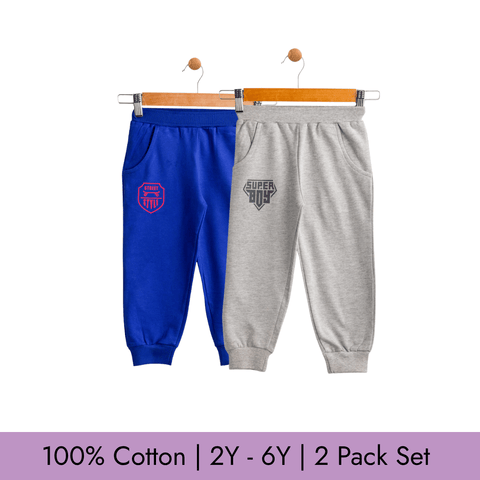
Kids joggers boys in soft cotton are a particularly practical choice for toddlers during monsoon as they allow free movement while drying quickly
- Lightweight rain jacket
This outfit supports active play while offering protection against sudden weather changes.
Outfit Idea for School-Going Kids
- Cotton shirt or full sleeve t shirt for kids which adds a comfortable layer of coverage during cooler rainy mornings
- Comfortable joggers or leggings
- Lightweight waterproof layer
For school-going children, flexibility is important. Layers can be added or removed as needed throughout the day.
These outfit combinations are practical examples of how to layer kids clothes in monsoon without making children feel restricted.
Common Monsoon Dressing Mistakes Parents Should Avoid
Even well-intentioned parents sometimes make mistakes when dressing children for rainy weather.
- Dressing Children in Too Many Layers: Adding excessive layers often causes overheating and discomfort. Remember, the goal of how to layer kids clothes in monsoon is flexibility, not bulk.
- Ignoring Fabric Choice: The right fabric matters more than the number of layers. Breathable cotton performs better than thick synthetic materials in humid conditions.
- Leaving Wet Clothes On Too Long: Wet clothing can lead to discomfort and skin irritation. Always carry an extra set of clothes when travelling during monsoon.
- Prioritising Fashion Over Comfort: Stylish outfits are important, but comfort should always come first. Children enjoy their day more when they feel comfortable and unrestricted.
How to Build a Monsoon Wardrobe for Kids
Creating a functional monsoon wardrobe doesn't require dozens of outfits.
Focus on versatile essentials.
For Babies
- Cotton jhablas
- Rompers
- Shorts
- Lightweight jackets
For Toddlers
- Cotton T-shirts
- Joggers
- Co-ord sets
- Lightweight outerwear
For Older Children
- Shirts
- Leggings
- Comfortable bottoms
- Rain protection layers
When planning how to layer kids clothes in monsoon, choose pieces that can easily mix and match. Parents who want seasonal inspiration beyond monsoon can also explore kids summer clothes to plan ahead for the warmer months that follow the rainy season.
This approach saves time, simplifies dressing, and ensures children remain comfortable throughout the season.
Why Proper Layering Improves Comfort During Monsoon
Parents often underestimate how quickly children's comfort levels change throughout the day.
A child may start the morning in cool weather, spend the afternoon in humid conditions, and return home during heavy rain.
Understanding how to layer kids clothes in monsoon allows parents to respond to these changes without completely changing outfits. Staying informed about latest kids fashion trends in India can also help parents find monsoon-ready styles that are both practical and seasonally appropriate.
The right layering system:
- Improves comfort
- Supports active movement
- Helps regulate body temperature
- Makes rainy days easier to manage
This simple strategy can significantly improve a child's daily experience during the monsoon season. Parents who want to stay ahead of seasonal styling can also refer to kids fashion trends 2026 for fresh ideas on building a wardrobe that works across every season, including the monsoon.
For evenings when the weather cools down further, having a comfortable pyjama set for kids on hand ensures children transition smoothly from a busy rainy day into a restful night
Make Monsoon Dressing Easy with Todlerry
Monsoon dressing doesn't have to be complicated. Once you understand how to layer kids clothes in monsoon, choosing the right outfits becomes much easier. The key is selecting breathable fabrics, comfortable silhouettes, and practical layers that adapt to changing weather conditions.
At Todlerry, every collection is thoughtfully designed to support your child's comfort through every season. From soft cotton jhablas and rompers for little ones to breathable T-shirts, joggers, co-ord sets, shirts, leggings, and frocks for growing kids, our clothing combines comfort, quality, and everyday practicality.
Explore Todlerry's latest collection and create a monsoon-ready wardrobe that keeps your child comfortable, confident, and ready for every rainy-day adventure.
Frequently Asked Questions
Q1. How should I layer clothes for kids during monsoon?
Start with a breathable cotton base layer, add a lightweight middle layer, and finish with a rain-protective outer layer. This is the most practical approach for changing weather conditions.
Q2. How many layers should children wear during rainy weather?
Most children are comfortable with two to three layers, depending on temperature, humidity, and activity levels.
Q3. Can babies wear rompers during monsoon?
Yes. Cotton rompers are comfortable, breathable, and suitable for monsoon weather when paired with an appropriate outer layer if needed.
Q4. Can children wear cotton clothes during heavy humidity?
Absolutely. Cotton remains one of the most comfortable fabric choices because it allows airflow and feels gentle against the skin.
Q5. Is cotton the best fabric for monsoon dressing for kids?
Cotton is widely preferred because it is breathable, lightweight, comfortable, and suitable for sensitive skin.
Q6. Is it okay for kids to wear multiple thick layers in monsoon?
No. Thick layers can trap heat and moisture, making children uncomfortable during humid conditions.
Q7. Will layering help keep my child comfortable during sudden weather changes?
Yes. Layering allows you to quickly adjust clothing as temperatures and weather conditions change throughout the day.
Q8. What is the best kids outfit in rainy season India?
A breathable cotton T-shirt or shirt paired with joggers or leggings and a lightweight rain jacket is often the most practical rainy-season outfit.