A frock is generally a simple, comfortable dress often worn by young girls for everyday activities, while a dress is a broader fashion category that includes casual, formal, party, and occasion wear. Understanding the difference helps parents choose clothing that matches their child's comfort, age, activity level, and the occasion.
The difference between frock and dress often confuses parents because the terms are frequently used interchangeably. In simple terms, a frock is a type of dress, but not every dress is a frock. At Todlerry, where comfort-focused kidswear is at the heart of every collection, understanding this distinction can help parents make better clothing choices for their little ones.
What Is a Frock?
Understanding what is a frock starts with looking at how the term is used in children's fashion today.
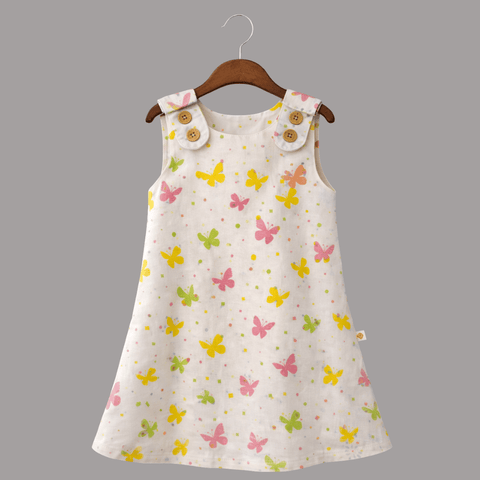
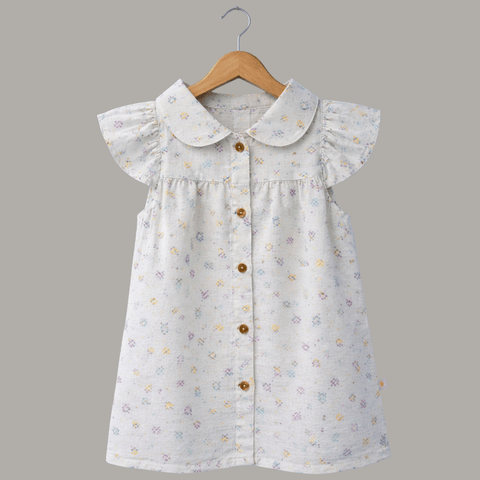
Traditionally, a frock refers to a loose-fitting, comfortable garment designed primarily for girls. The word has been used for centuries and continues to be popular in countries such as India and the UK when referring to children's clothing. Parents looking for variety will find a wide range of options when browsing frocks for kids girls that balance everyday comfort with playful styling.
Frock Meaning in Fashion
The frock meaning in fashion has evolved over time. Historically, the term described a simple outer garment worn by both men and women. Today, however, it is most commonly associated with girls' clothing.
Modern frocks are typically:
- Comfortable and easy to wear
- Made from lightweight fabrics
- Suitable for everyday activities
- Designed with playful prints and child-friendly silhouettes
For parents researching the difference between frock and dress, it's important to remember that a frock is generally more casual and comfort-focused.
Key Features of a Frock
A typical frock includes:
- Relaxed fit
- Knee-length or above-knee design
- Breathable fabrics
- Minimal structure
- Easy movement for active children
Because children spend much of their day running, playing, and exploring, frocks remain a practical wardrobe essential.
When Do Kids Usually Wear Frocks?
Frocks are ideal for:
- Playdates
- Family outings
- Daycare
- Preschool
- Casual gatherings
- Everyday wear
Their simplicity makes them a favourite among both children and parents.
What Is a Dress?
A dress is a broader fashion category that includes multiple styles, lengths, silhouettes, and occasions.
While many parents searching for the difference between frock and dress assume they are completely separate garments, a frock actually falls under the larger category of dresses.
Understanding the Modern Dress
A dress can range from a simple cotton outfit to an elaborate party ensemble. Unlike frocks, dresses may be designed specifically for formal occasions, celebrations, or fashion-forward styling.
Different Types of Dresses for Kids
Popular dress styles include:
- A-Line Dresses: Known for their flattering shape and comfortable fit.
- Party DressesL Designed for birthdays, weddings, and celebrations.
- Maxi Dresses: Longer dresses that offer elegance and style.
- Occasion Dresses: Created for festivals, family functions, and special events.
- Summer Dresses: Lightweight and breathable styles perfect for warm weather.
Difference Between Frock and Dress at a Glance
Understanding the difference between frock and dress becomes easier when comparing their key characteristics.
|
Feature |
Frock |
Dress |
|
Purpose |
Everyday wear |
Casual to formal wear |
|
Design |
Simple and practical |
Wide variety of styles |
|
Length |
Usually short to knee-length |
Various lengths |
|
Comfort Level |
High |
Depends on design |
|
Best For |
Daily activities |
Multiple occasions |
|
Styling |
Minimal |
Can be elaborate |
Quick Summary
The simplest way to understand the difference between frock and dress is this:
A frock is usually designed for comfort and daily wear, while a dress can be either casual or formal depending on the style and occasion.
Frock vs Dress for Kids: Which One Is Better?
Many parents wonder about frock vs dress for kids when shopping for their child's wardrobe.
The truth is that neither option is universally better. The right choice depends on the child's age, comfort needs, and the occasion.
For Everyday Comfort
Frocks are often the preferred option because they:
- Allow unrestricted movement
- Feel lightweight throughout the day
- Are easy to wash and maintain
- Work well for active children
For Special Occasions
Dresses are often selected when:
- Attending weddings
- Celebrating birthdays
- Participating in school events
- Dressing for festivals
Parents unsure about what works best for a birthday celebration can find helpful guidance on which dress is best for birthday girl to make confident styling choices.
Many occasion dresses feature decorative elements that elevate the overall look.
For Active Toddlers
For toddlers, comfort should always take priority.
Look for:
- Soft cotton fabrics
- Flexible fits
- Breathable construction
- Easy closures
At Todlerry, many designs are created with movement, comfort, and practicality in mind, helping children stay comfortable throughout the day.
How to Choose the Right Outfit for Your Child
Choosing between a frock and a dress becomes much easier when you focus on a few key factors.
Consider the Occasion
- Everyday Wear: For daily activities, simple frocks often provide the best balance of comfort and functionality.
- Celebrations and Events: For special moments, dresses can add a touch of style while still maintaining comfort.
Choose Child-Friendly Fabrics
Fabric plays a significant role in a child's overall comfort.
Why Cotton Remains the Best Choice
Cotton offers several advantages:
- Breathable and lightweight
- Gentle on delicate skin
- Comfortable throughout the day
- Easy to maintain
Todlerry's collections focus on soft cotton clothing for babies and children, making everyday dressing easier for parents while ensuring comfort for little ones. For the youngest members of the family, parents can explore options like jhabla for newborn that offer the same breathable, gentle construction in a style suited to early infancy.
Focus on Fit and Freedom of Movement
Children need clothing that supports their natural movement.
Avoid garments that:
- Restrict mobility
- Cause overheating
- Feel too tight
- Require constant adjustment
Common Myths About Frocks and Dresses
Myth #1: Every Frock Is Different From a Dress
Not entirely true.
A frock is actually a type of dress, which is why the difference between frock and dress can sometimes appear subtle.
Myth #2: Frocks Are Only for Toddlers
Modern frocks are available for various age groups, from infants to older children. Consulting an Indian baby frock size chart can help parents identify the right fit across different age groups without relying solely on brand-specific labels.
Myth #3: Dresses Are Always Formal
Many dresses are designed specifically for casual wear and everyday comfort.
Popular Frock and Dress Styles Trending for Kids
Fashion trends may change, but comfort remains timeless.
- Cotton Everyday Frocks: These remain one of the most practical choices for daily wear.
- Floral Dresses: Perfect for summer outings and family gatherings.
- A-Line Dresses: A classic silhouette that combines comfort and style.
- Printed Casual Styles: Fun prints continue to be popular among young children.
Parents often gravitate toward clothing that balances style with comfort, which explains the growing demand for breathable cotton kidswear. Those looking for versatile options may also consider a romper dress for girls as a playful alternative that blends the ease of a romper with the look of a dress.
Final Thoughts: Understanding the Difference Between Frock and Dress
The difference between frock and dress ultimately comes down to purpose, styling, and versatility. While frocks are typically associated with comfort-focused everyday wear, dresses encompass a wider range of styles suited for both casual and formal occasions.
When selecting clothing for children, comfort should always remain the priority. Breathable fabrics, thoughtful fits, and freedom of movement matter far more than fashion terminology.
Discover Comfortable Cotton Kidswear at Todlerry
At Todlerry, every piece is designed with growing children in mind. From soft cotton frocks and comfortable girls' dresses to jhablas, rompers, night suits, and everyday essentials, the collection focuses on comfort, durability, and child-friendly design.
Explore Todlerry's thoughtfully crafted cotton kidswear collection and find outfits that keep your little one comfortable through every adventure, celebration, and milestone.
Frequently Asked Questions
Q1. How is a frock different from a dress?
The main difference between frock and dress is that a frock is typically a simple, casual dress designed for everyday wear, while a dress can include both casual and formal styles.
Q2. How do I choose between a frock and a dress for my child?
Consider the occasion, weather, comfort level, and your child's activity schedule before making a decision.
Q3. Can a frock be called a dress?
Yes. A frock is generally considered a type of dress.
Q4. Can older girls wear frocks?
Absolutely. Frocks are available in various designs suitable for toddlers, young girls, and older children.
Q5. Is a frock only meant for casual occasions?
Most frocks are casual, but some designer frocks can be worn for parties and celebrations.
Q6. Is cotton the best fabric for kids' frocks and dresses?
Cotton is often preferred because it is breathable, soft, durable, and comfortable for long hours of wear.
Q7. Will a dress always look more formal than a frock?
Not necessarily. Many dresses are designed specifically for casual everyday use.
Q8. Why do people use the terms frock and dress interchangeably?
Because a frock is a category within dresses, the terms often overlap in everyday conversation.